

News
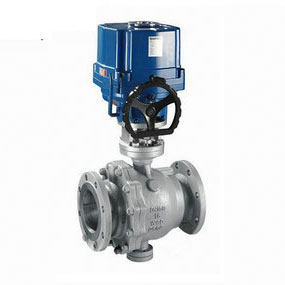
When selecting a quarter-turn isolation valve for high-pressure or large-diameter piping systems, engineers often hesitate between two popular designs: the floating ball valve and the Motor Trunnion Mounted Ball Valve. Both serve the same fundamental purpose—starting and stopping flow—but their inte......
Read More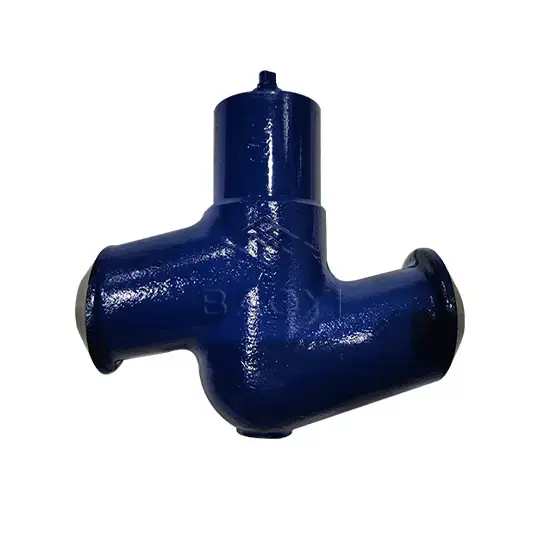
High-temperature service presents one of the most demanding operational environments for industrial flow control equipment. Among the various components challenged by extreme heat, the Pressure Sealed Check Valve frequently encounters a specific and potentially dangerous issue: failure to close tigh......
Read More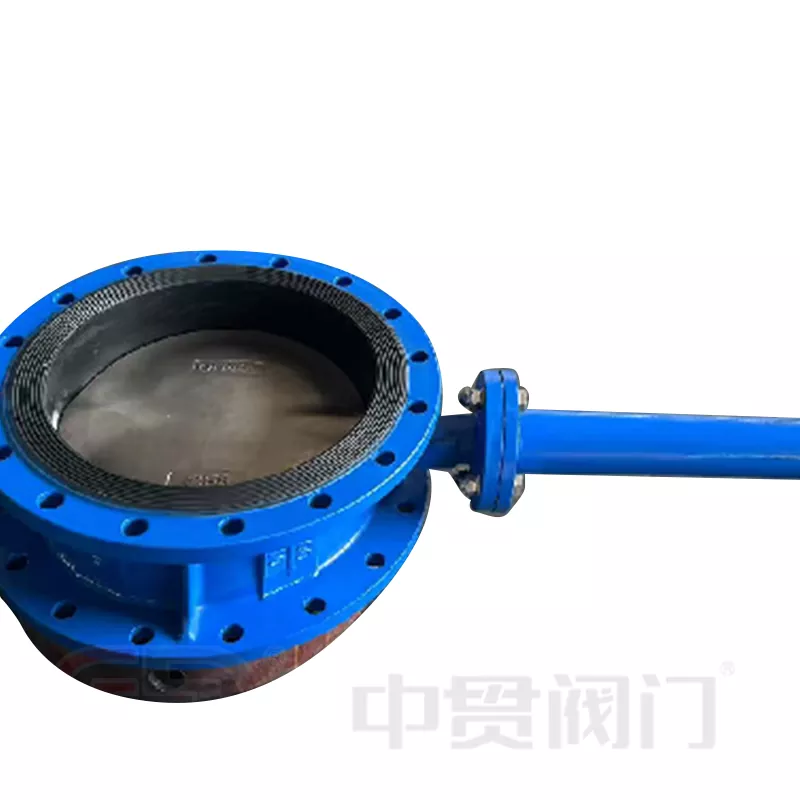
When specifying flow control components for industrial pipelines, the Extended Stem Butterfly Valve often emerges as a critical solution for insulated or cold-service systems. However, the single most frequent engineering question remains: What are the true maximum temperature and pressure limits fo......
Read More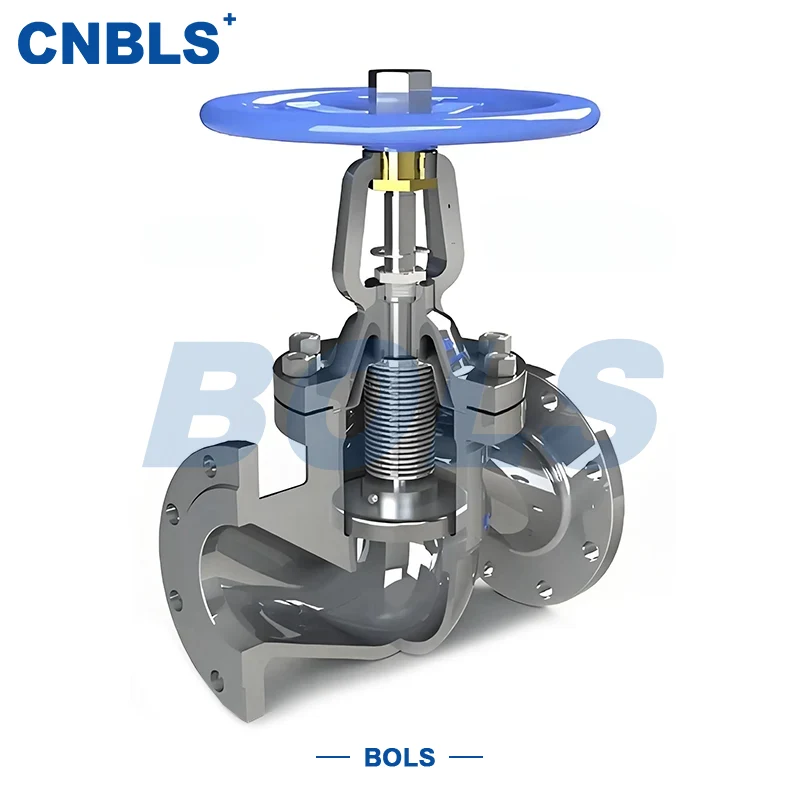
When selecting flow control components for high-pressure industrial piping systems, engineers often face a critical decision: Stainless Steel Forged Steel Internal Thread Socket Welding Globe Valves versus cast steel alternatives. While both serve similar functions, the forged variant—particularly t......
Read More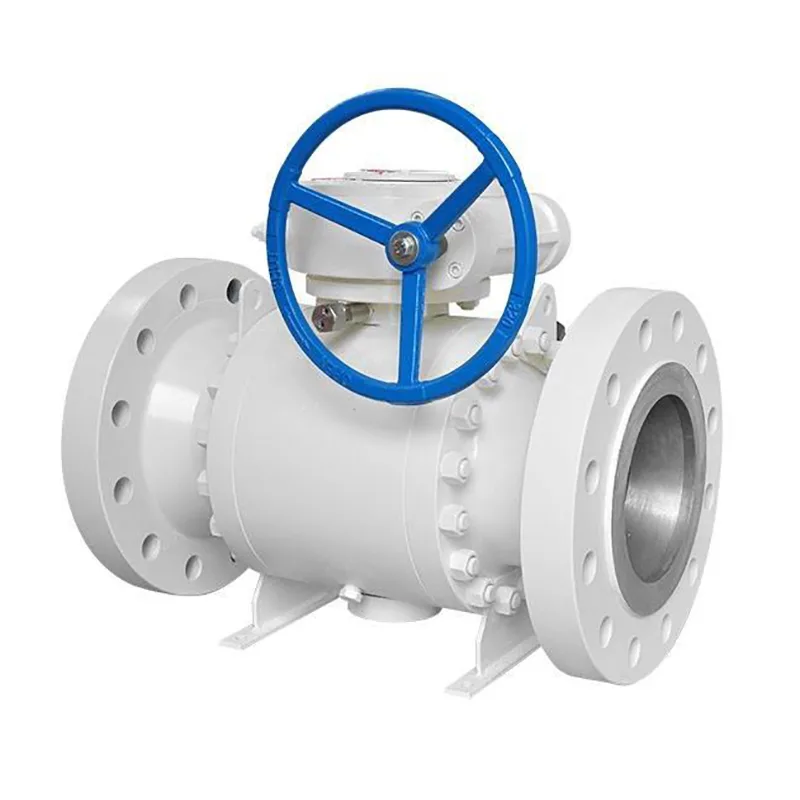
In modern industrial systems, controlling the flow of abrasive, high-temperature, and corrosive media is a major challenge. Traditional valves often suffer from wear, leakage, and frequent maintenance when handling slag, slurry, and other harsh materials. A Slag Lock Ball Valve is specifically desi......
Read More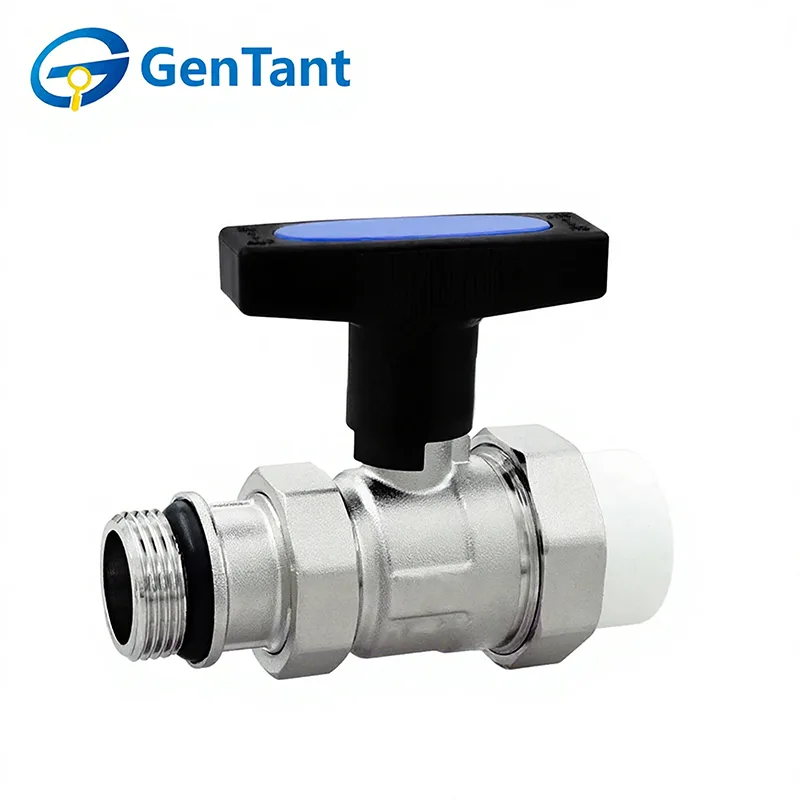
Selecting the correct cracking pressure for a Long Shank Return Valve is one of the most critical decisions in hydraulic system design. Set it too low, and the valve may open prematurely, causing erratic return flow and pressure fluctuations. Set it too high, and you risk excessive backpressure, red......
Read More