

What Are the Key Differences Between EPDM and PTFE Seated Stainless Steel Butterfly Valves
2026-08-19
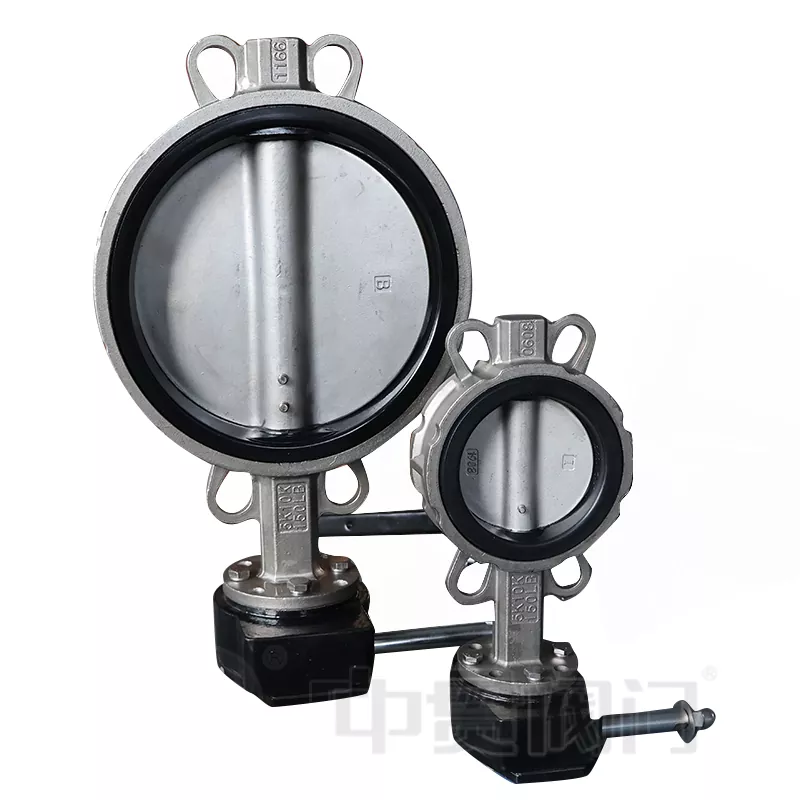
When selecting a Stainless Steel Butterfly Valve for critical flow control systems, the seat material often determines the valve’s longevity, safety, and operational efficiency. Among the most debated choices are EPDM (ethylene propylene diene monomer) and PTFE (polytetrafluoroethylene) seats. At Zhongguan, we have engineered both configurations for decades, and understanding their distinct performance envelopes is essential for specifying the right valve. This blog dissects the chemical, mechanical, and thermal differences between EPDM Seated Stainless Steel Butterfly Valve and PTFE-seated variants, supported by real-world application data.
Chemical Resistance & Media Compatibility
The primary differentiator lies in chemical tolerance. EPDM excels with polar fluids—water, steam, mild acids, alkalis, and alcohols. However, it degrades rapidly when exposed to hydrocarbons, oils, greases, or aromatic solvents. Conversely, PTFE is virtually inert against all chemicals except molten alkali metals and elemental fluorine. For aggressive media like concentrated sulfuric acid or chlorinated hydrocarbons, a PTFE seat is mandatory.
| Property | EPDM Seat | PTFE Seat |
|---|---|---|
| Maximum Continuous Temperature | 120°C (248°F) | 200°C (392°F) |
| Minimum Service Temperature | -40°C (-40°F) | -30°C (-22°F) |
| Abrasion Resistance | Excellent (high elasticity) | Poor (cold flow tendency) |
| Hydrocarbon Resistance | Poor | Excellent |
| Steam Resistance | Good (intermittent to 150°C) | Excellent |
| FDA Compliance | Yes (selected grades) | Yes (standard) |
| Cost (relative) | Lower | Higher |
Mechanical Performance & Sealing Integrity
In terms of torque requirements and shut-off precision, EPDM Seated Stainless Steel Butterfly Valve designs offer lower operating torque due to the rubber’s resilience, which reduces actuator costs. The elastomeric nature also compensates for minor disc misalignment and thermal expansion, delivering bubble-tight shut-off even after thousands of cycles. PTFE, being a thermoplastic, exhibits "memory" but lacks elasticity. It requires higher seating torque and may develop creep relaxation over time, necessitating periodic retorquing of flange bolts. However, PTFE’s low friction coefficient (0.05–0.10) ensures smoother disc rotation and less wear on the stem seal, a critical advantage for modulating services.
Zhongguan’s proprietary seat design incorporates an O-ring backup on PTFE models to mitigate cold flow, while our EPDM seats feature a reinforced shoulder to prevent extrusion at higher pressures. For vacuum applications, the EPDM Seated Stainless Steel Butterfly Valve consistently outperforms PTFE due to its superior memory retention under negative pressure.
Application Suitability by Industry
-
Water & Wastewater Treatment – EPDM Seated Stainless Steel Butterfly Valve is the undisputed choice for potable water, chlorinated water, and dilute caustic solutions. Its ozone resistance further enhances durability in UV-exposed environments.
-
Chemical Processing – PTFE seats dominate here, especially for handling acids, bases, and organic solvents at elevated temperatures. Zhongguan often supplies PTFE-lined discs alongside PTFE seats for complete isolation.
-
Food & Beverage – Both materials offer FDA-approved grades. However, EPDM is preferred for dairy and juice lines due to its flexibility in CIP (clean-in-place) steam cycles, whereas PTFE is selected for high-fat or oil-containing products.
-
HVAC & Chilled Water – EPDM is the standard due to its excellent low-temperature sealing and resistance to glycol-based coolants.
Lifecycle Cost Considerations
While PTFE seats command a 30–50% premium over EPDM, the total cost of ownership depends on maintenance frequency. In hydrocarbon services, an EPDM Seated Stainless Steel Butterfly Valve may fail within weeks, leading to unplanned downtime that far exceeds the initial savings. Conversely, in water services, PTFE’s higher cost offers no tangible benefit and may introduce potential leak paths due to its rigid nature. Zhongguan recommends conducting a media compatibility test with our engineering team to optimize your ROI.
Frequently Asked Questions (FAQ)
Q1: Can an EPDM Seated Stainless Steel Butterfly Valve handle superheated steam above 120°C?
A: No. Continuous exposure to steam above 120°C accelerates crosslink rupture in EPDM, leading to permanent compression set and leakage. For intermittent steam service up to 150°C, Zhongguan offers a special high-temperature EPDM compound, but for sustained superheated steam (>150°C), you must use a PTFE-seated or metal-seated valve. Always verify the steam quality—wet steam is more damaging than dry saturated steam due to water hammer effects.
Q2: How do I identify whether my existing valve has an EPDM or PTFE seat without disassembling it?
A: Visual inspection of the seat surface through the flange end is the most reliable method. EPDM seats are matte black or dark gray with a flexible, rubbery feel when pressed with a blunt tool. PTFE seats are typically white, off-white, or light blue, with a slick, waxy texture and no elasticity. Additionally, check the valve nameplate—Zhongguan stamps "E" or "P" after the model number. If the valve operates with noticeable stick-slip during partial opening, it is likely PTFE (higher static friction), whereas smooth, quiet operation suggests EPDM.
Q3: What is the recommended torque for reinstalling an EPDM Seated Stainless Steel Butterfly Valve after maintenance, and does it differ from PTFE?
A: Yes, significantly. For a Zhongguan 6-inch EPDM Seated Stainless Steel Butterfly Valve, the recommended flange bolt torque is 70–85 N·m (using a cross-tightening pattern) to avoid over-compression, which can extrude the soft seat into the pipe bore. For PTFE, the torque range is higher at 95–115 N·m because the stiffer seat requires greater flange pressure to achieve a seal. Critically, PTFE requires retorquing after the first thermal cycle (once the valve reaches operating temperature) due to relaxation, whereas EPDM maintains its preload without retorquing. Always consult Zhongguan’s installation manual for size-specific values.
Conclusion & Decision Framework
Choose an EPDM Seated Stainless Steel Butterfly Valve when your media is aqueous, mildly caustic, or acidic (non-oil), temperatures stay below 120°C, and you prioritize low torque, high cycle life, and cost-efficiency. Choose PTFE when handling aggressive chemicals, hydrocarbons, or temperatures up to 200°C, and when low friction and universal chemical resistance outweigh the higher initial investment. Zhongguan manufactures both types with ISO 5211 mounting flanges, allowing interchangeable actuators and retrofit compatibility.
For over 18 years, Zhongguan has supplied EPDM Seated Stainless Steel Butterfly Valve solutions to global clients in water treatment, HVAC, and marine sectors, alongside PTFE variants for petrochemical giants. Our engineering team provides free media compatibility analysis and lifecycle cost projections.
Ready to specify the right seat material for your project? Contact Zhongguan today to speak with our valve application specialists. We offer sample testing, CAD drawings, and 24/7 technical support. Email us at [email protected] or visit our website to request a quotation—we guarantee a response within 4 business hours. Let us help you optimize your flow control system with the right Stainless Steel Butterfly Valve for your exact duty.