

Industry News
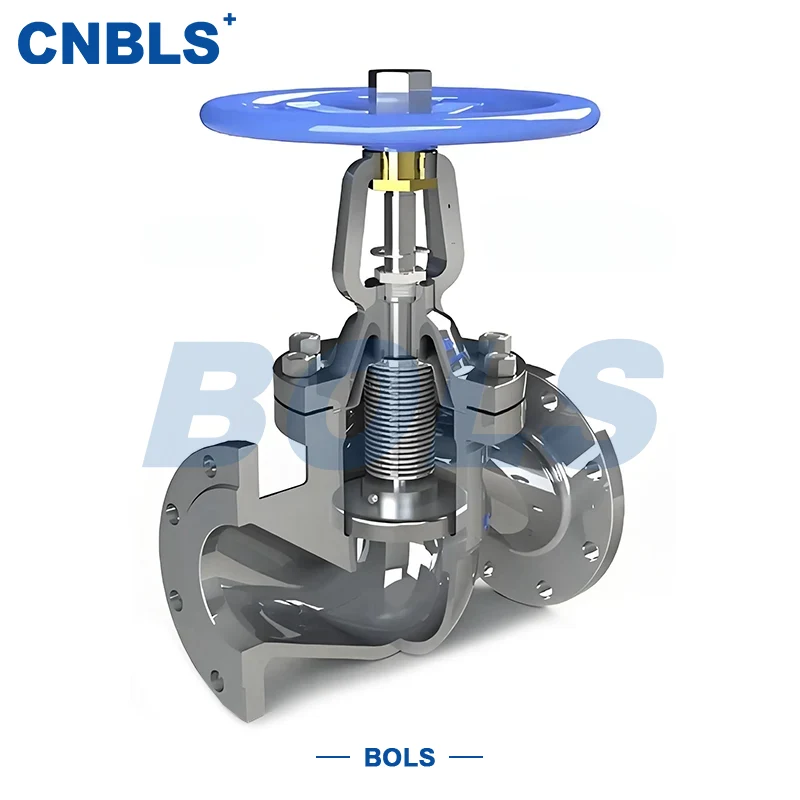
When selecting flow control components for high-pressure industrial piping systems, engineers often face a critical decision: Stainless Steel Forged Steel Internal Thread Socket Welding Globe Valves versus cast steel alternatives. While both serve similar functions, the forged variant—particularly t......
Read More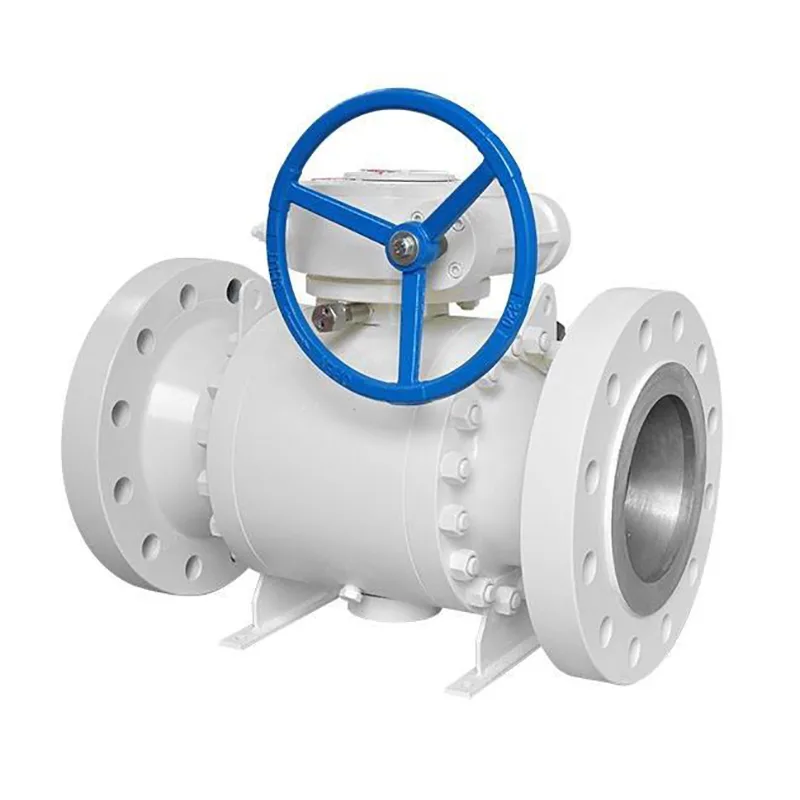
In modern industrial systems, controlling the flow of abrasive, high-temperature, and corrosive media is a major challenge. Traditional valves often suffer from wear, leakage, and frequent maintenance when handling slag, slurry, and other harsh materials. A Slag Lock Ball Valve is specifically desi......
Read More
Selecting the correct cracking pressure for a Long Shank Return Valve is one of the most critical decisions in hydraulic system design. Set it too low, and the valve may open prematurely, causing erratic return flow and pressure fluctuations. Set it too high, and you risk excessive backpressure, red......
Read More
When selecting flow control components for critical piping systems, one question consistently rises to the top: What is the maximum working pressure for a stainless steel Lift Check Valves? The answer is not a single number—it depends on material grade, temperature, end connections, and valve design......
Read More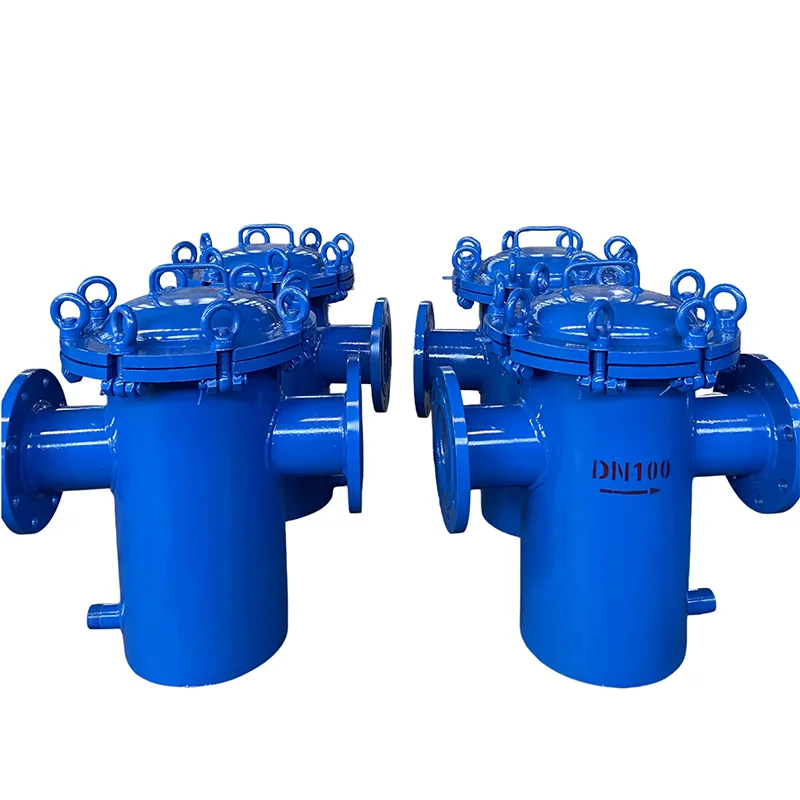
Maintaining industrial filtration equipment is not a “set and forget” task. Among all mechanical separators, the GB Carbon Steel Basket Strainer stands out for its robust construction and high dirt-holding capacity. However, its long-term performance depends entirely on a disciplined cleaning schedu......
Read More
Selecting the right gate valve for industrial piping systems often comes down to one critical decision: soft-seal versus metal-seated. For many engineers and procurement specialists, the ANSI Class 150 Stainless Steel Soft-Seal Gate Valve represents the modern default choice, but metal-seated varian......
Read More