

Why Is Your Semi Truck Air Tank Drain Valve the Most Critical Component for Brake Safety?
2026-08-05
For professional truck drivers and fleet owners, the compressed air system is the lifeblood of a heavy-duty vehicle's braking capability. At the heart of this system's longevity and reliability lies a small but vital component: the Semi Truck Air Tank Drain Valve. While it might seem like a minor fitting, neglecting this valve can lead to catastrophic brake failure, costly downtime, and expensive repairs due to moisture contamination. This article provides a professional, in-depth look at why this component matters and how to choose the right one for your rig.
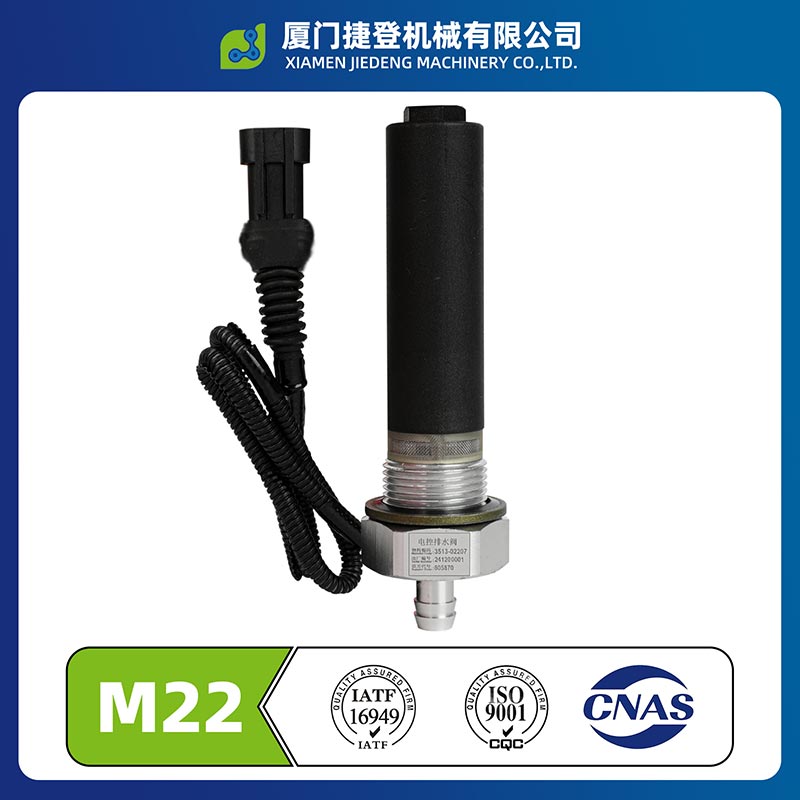
What is a Semi Truck Air Tank Drain Valve and How Does it Work?
In the simplest terms, a Semi Truck Air Tank Drain Valve is the expulsion point for moisture and contaminants that accumulate in the air brake reservoirs. Every time the air compressor runs, it draws in atmospheric air containing water vapor. When this air is compressed and cools inside the metal tanks, the vapor condenses into liquid water.
In a typical day of driving, a truck's air system can generate 2 to 4 ounces of water. Over a week, this accumulates to a pint or more of water sitting in the bottom of your air tanks. The drain valve provides a manual or automatic method to release this built-up condensation, preventing it from traveling downstream into sensitive brake valves and chambers.
How to Choose the Right Semi Truck Air Tank Drain Valve: Specifications Table
When selecting a replacement or upgrade for your air tank drain valve, it is crucial to match the specifications precisely. Below is a detailed breakdown of typical product parameters found in high-quality replacement valves, such as those available from industry suppliers like Xiamen Jiedeng Machinery Co., Ltd. .
| Feature | Specification / Details | Importance |
|---|---|---|
| Thread Type & Size | ¼" NPT (National Pipe Tapered) | Ensures a leak-proof, secure seal in the reservoir port. NPT threads are the standard for air brake systems. |
| Operation Type | Manual Pull-Cable or Push/Pull | Allows the driver to drain the tank from a safe, accessible position without crawling under the vehicle. |
| Cable Length | 60 inches (5 feet) | Provides adequate reach to mount the T-handle in a convenient location on the frame or tool box. |
| Valve Mechanism | Push-to-Close / Pull-to-Drain | Simple, intuitive operation for quick draining. |
| Material | High-Quality Alloy Metal / Chrome Finish | Chrome plating resists corrosion from water and road salt, extending the lifespan of the valve. |
| Compatibility | Replaces Haldex 12105, N3613AD, AV12105, 42003461, 12105N, and others | Wide application compatibility for Freightliner, Kenworth, Peterbilt, International, Volvo, and Mack trucks. |
Manual vs. Automatic: What Type of Drain Valve is Best for Your Fleet?
Choosing the right type of Semi Truck Air Tank Drain Valve depends largely on your operational environment, fleet size, and maintenance discipline. Here is a breakdown of the two most common types in the industry:
Manual Pull-Cable Valves
This is the standard for most heavy-duty trucks. They are cheap, reliable, and simple. The cable allows the driver to open the valve at the end of each shift while standing safely beside the truck. "Draining the air tanks should be a daily routine... Draining with full pressure ensures maximum water expulsion". The main drawback is that they rely on the driver's diligence. If forgotten, moisture accumulates.
Automatic (Electronic/Timed) Valves
These valves use a solenoid and timer to open and purge moisture automatically. They are ideal for fleets that want to minimize driver involvement and ensure consistent moisture removal. Models offer adjustable intervals (e.g., 0.5 to 50 minutes) and discharge times (0.5 to 10 seconds). However, they require electrical power and can fail stuck open (causing air loss) or stuck closed (causing moisture buildup). Bendix recommends that even with automatic valves, "manually drain tanks weekly as verification".
Why Daily Drainage is Non-Negotiable (The Science of Moisture)
Many drivers might skip the daily drain to save two minutes at the end of the day, but the physics of air compression is unforgiving. As air is compressed, the water vapor saturation point changes, leading to condensation. This "slug" of water sits in the tank, usually in the wet tank (the first tank receiving air from the compressor). If not drained, this water causes two major issues: corrosion and freezing.
Water in the air system causes brake failures through two mechanisms. In cold weather, water freezes in air lines, valves, and brake chambers, blocking air flow. In any weather, water corrodes internal components: valve seats, relay valve springs, and brake chamber diaphragms. A corroded Semi Truck Air Tank Drain Valve is often the first visual clue of systemic moisture issues.
Frequently Asked Questions (FAQ) About Semi Truck Air Tank Drain Valves
Q: How often should I drain my air tanks using the Semi Truck Air Tank Drain Valve?
A: It is recommended to drain your air tanks at the end of every driving day. For a typical line haul truck, draining is recommended at least every three months, but vocational trucks that use a lot of air may require weekly or even daily draining. During winter months, when temperature swings cause more condensation, draining at the end of the day is critical to prevent ice from forming in the lines overnight.
Q: My air tank is leaking air from the drain valve. What should I check?
A: If you notice a continuous air hiss from the valve, there are a few culprits. First, check if the valve is fully closed by pushing the handle in completely. If the leak persists, the internal seal is likely damaged due to wear or debris. Debris can be flushed out by pulling the cable to allow a burst of high-pressure air to push it out. If the leak continues, replace the valve. Note: "If drain cock valve is plugged, release all air pressure from tank, remove drain valve and clean, then reinstall".
Q: Can I replace my truck's drain valve with a different NPT size?
A: No. It is crucial to use the exact thread size specified for your reservoir. The vast majority of heavy-duty trucks utilize a 1/4 inch NPT (National Pipe Tapered) fitting. Using the wrong size will either damage the threads in the air tank, resulting in expensive repairs, or fail to seal, leading to dangerous air leaks. Always verify your reservoir port thread before ordering.
Q: Why is moisture still coming out of the drain valve even though I have an air dryer?
A: An air dryer is designed to remove the bulk of moisture, but it is not 100% efficient. According to Bendix, "moisture in the system can condense and freeze in winter" even with a dryer. If you are consistently getting significant water from your drain valve, it is a sign your air dryer cartridge is failing or the purge valve is malfunctioning. Excessive oil in the water can also indicate a failing air compressor.
Conclusion: The Cost of Neglect vs. The Value of a Good Valve
The Semi Truck Air Tank Drain Valve is a small investment that protects the largest investment in a truck's safety system—the brakes. Replacing water-damaged brake chambers can cost $100 to $300 each, and a corroded relay valve can cost $150 to $400. These costs are entirely preventable with proper equipment and the daily habit of draining the air tanks.
Investing in a high-quality, corrosion-resistant replacement valve ensures that your air brake system remains dry and functional, keeping you safe on the road and compliant with DOT regulations.
For high-quality air brake components and drain valves, contact Xiamen Jiedeng Machinery Co., Ltd. for professional advice and reliable parts.