
Why Is Water Leaking from My Washing Machine Inlet Valve
2026-10-14
A leaking Washing Machine Inlet Valve is one of the most common causes of water damage in laundry rooms, and it is a problem that should never be ignored. At LIHE, our engineers have inspected thousands of failed inlet valves, and the evidence points to a small set of root causes that account for the vast majority of leaks. This guide breaks down those causes, shows you how to diagnose them safely, and explains when a repair is realistic versus when replacement is the only sensible option.
What the Inlet Valve Actually Does
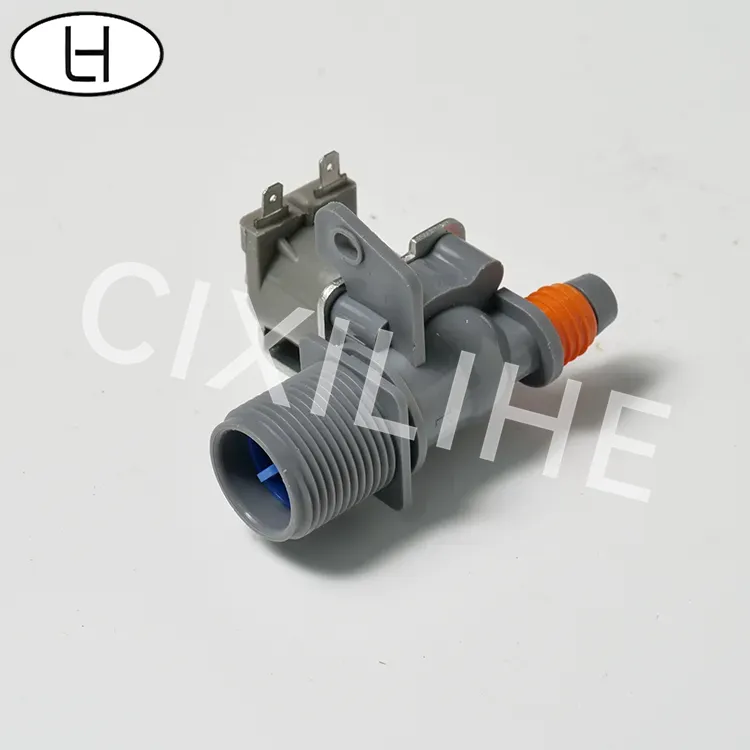
The Washing Machine Inlet Valve is an electrically controlled solenoid valve mounted at the back of the machine where the hot and cold supply hoses connect. When the control board sends voltage, the solenoid opens and allows water to enter the drum. When the cycle requires water to stop, the solenoid closes and seals the passage. Because the valve holds back full household water pressure continuously, even a minor seal defect will eventually produce a visible leak.
The Six Most Common Causes of a Leaking Inlet Valve
| Cause | Typical Symptom | Repair or Replace |
|---|---|---|
| Worn solenoid diaphragm | Slow drip during fill | Replace valve |
| Cracked valve body | Steady spray at the valve | Replace valve |
| Loose or cross-threaded inlet hose | Leak at the connection nut | Reseat or replace hose |
| Damaged inlet screen seal | Drip after water shutoff | Replace screen washer |
| Mineral scale buildup | Intermittent seepage | Clean or replace |
| Excessive water pressure | Leak under high demand | Install pressure regulator |
1. A Degraded Solenoid Diaphragm
The rubber diaphragm inside the Washing Machine Inlet Valve flexes every time the valve opens and closes. After years of cycling, it hardens, cracks, or loses elasticity. Water then seeps past the seal even when the valve is closed. This is the single most frequent failure mode we see at LIHE.
2. A Cracked Valve Body
Freeze damage, impact during moving, or manufacturing defects can crack the plastic or brass housing. A cracked body cannot be sealed reliably, and the leak often appears as a fine spray rather than a drip.
3. Hose Connection Problems
Many "valve leaks" are actually hose leaks. A cross-threaded nut, a missing rubber washer, or a hand-tightened connection that was never snugged with pliers will drip at the joint. Always check the connection before condemning the valve.
4. Scale and Sediment Buildup
Hard water deposits collect on the inlet screen and around the diaphragm seat. The buildup prevents full closure, allowing a persistent trickle. LIHE recommends cleaning the inlet screens every twelve months in hard water areas.
5. High Household Water Pressure
Pressure above 80 psi stresses every seal in the valve. If your home runs high pressure, a regulator protects the Washing Machine Inlet Valve and the rest of your plumbing.
How to Diagnose the Leak Safely
-
Shut off both supply valves and unplug the machine.
-
Dry the valve and surrounding area completely.
-
Restore water pressure slowly and observe with a flashlight.
-
If the drip appears at the solenoid cap or body seam, the valve has failed internally.
-
If the drip appears at the nut, reseat the hose with a new washer.
Way Washing Machine Inlet Valve FAQ
Q: How do I know if my Way Washing Machine Inlet Valve is leaking or if it is just condensation?
A: Condensation is usually a light film that dries quickly and appears only during hot washes. A true leak from a Way Washing Machine Inlet Valve leaves a standing puddle, streaks down the back panel, or drips continuously after the fill cycle ends. Dry the area, run a short cold cycle, and check again. If moisture returns with the water supply on, the valve is leaking.
Q: Can I replace a Way Washing Machine Inlet Valve myself, or should I hire a technician?
A: Replacement is a straightforward DIY job for most homeowners. Unplug the machine, shut off both supply valves, disconnect the hoses, remove the mounting screws, and transfer the wire connectors to the new valve one at a time. The key safety rule is to confirm the water is fully off before removing any hose. If you are unsure about electrical connectors or the machine is still under warranty, hire a qualified technician.
Q: What happens if I keep using a washing machine with a leaking inlet valve?
A: Continued use causes progressive water damage to the floor, baseboards, and subfloor, and it can trigger mold growth behind the machine. Electrically, water near the solenoid and wiring creates a shock and short-circuit risk. A leaking Way Washing Machine Inlet Valve also wastes water and can raise your utility bill. Replacing the valve promptly is always cheaper than repairing water damage.
When to Repair and When to Replace
If the leak originates at the hose connection, a new washer or hose solves the problem for a few dollars. If the leak comes from the valve body, solenoid cap, or diaphragm, replacement is the only reliable fix. LIHE inlet valves are pressure-tested before shipping and are designed to match OEM specifications, so you get a dependable seal without guesswork.
Contact Us
If you need help identifying the correct Washing Machine Inlet Valve for your model, or you want a professional opinion before you order, contact the LIHE team today. Send us your machine's brand and model number, and our specialists will confirm the right part, answer your questions, and get it shipped to your door.