

Why Is Torque Considered Critical in Operating a Triple Offset Butterfly Valve
2026-02-26
Understanding the role of torque is essential for anyone involved in the selection or maintenance of industrial flow control equipment. When discussing a Triple Offset Butterfly Valve, torque is not just a number; it is a direct indicator of operational reliability and long-term performance. At Gongchuang, we emphasize the importance of precise torque calculations to ensure that each Triple Offset Butterfly Valve operates efficiently under varying pressure and temperature conditions.
Torque in a Triple Offset Butterfly Valve is critical because it represents the force required to transition the valve from fully open to fully closed. Unlike standard valves, the triple offset design features a metal-to-metal seating structure that relies on a cam-like motion to eliminate friction between the disc and seat during the final stage of closure. If the torque is miscalculated, the actuator may be unable to seat the valve properly, leading to leakage or operational failure.
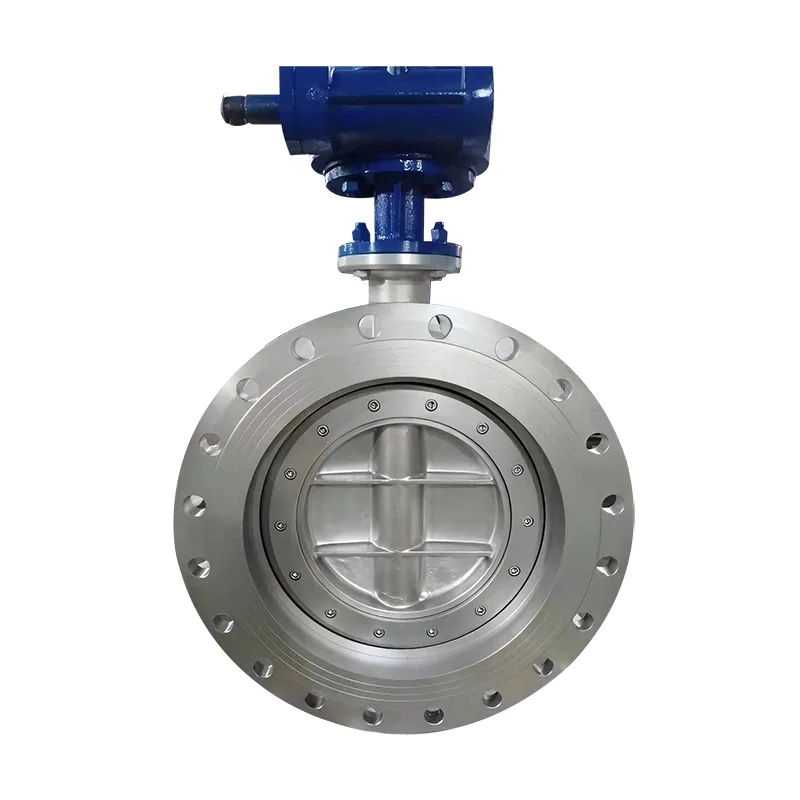
To better understand the factors affecting torque, consider the following technical breakdown:
| Factor | Impact on Torque | Why It Matters |
|---|---|---|
| Differential Pressure | High pressure increases the force on the disc. | Higher torque is needed to overcome the pressure differential during shut-off. |
| Seat Material | Metal seats require higher seating torque. | Ensures a zero-leakage seal by compressing the metal components precisely. |
| Temperature Fluctuations | Thermal expansion can alter component clearances. | Affects the friction and interference between the disc and seat. |
| Cycle Frequency | Frequent operation leads to wear and tear. | Consistent torque requirements ensure the actuator remains effective over time. |
Proper torque management also prevents mechanical damage. If the actuator delivers excessive torque, it can deform the sealing components of the Triple Offset Butterfly Valve. Conversely, insufficient torque prevents the disc from wedging tightly against the seat, which compromises the bidirectional sealing capability that this valve type is known for.
Furthermore, Gongchuang designs its valves with torque curves that are tested under real-world conditions. This data allows engineers to select the correct actuator—whether pneumatic, electric, or hydraulic—to match the specific demands of the application. Accurate torque values contribute to lower maintenance costs and extend the service life of the entire assembly.
Here are some frequently asked questions regarding Triple Offset Butterfly Valve operation:
What happens if the operating torque exceeds the actuator capacity?
If the actuator capacity is lower than the required torque, the actuator will stall. This means the valve will not achieve a bubble-tight shut-off. In some cases, continuous stalling can overheat and burn out the electric motor or damage the internal components of a pneumatic actuator. It is crucial to always include a safety margin in torque calculations to accommodate unexpected conditions like pressure spikes.
How does the triple offset design reduce operational torque compared to other valves?
The unique geometry of the Triple Offset Butterfly Valve reduces torque by eliminating friction during the rotation. The first offset allows the disc to pivot away from the seat immediately upon opening. The second offset creates an eccentric action that removes the disc from the sealing area. The third offset, which is a conical shape, ensures that the disc and seat only make contact at the very end of the closing cycle. This cam-like action results in lower friction and therefore lower required torque compared to conventional high-performance butterfly valves.
Can temperature changes significantly affect the torque requirements of a Triple Offset Butterfly Valve?
Yes, temperature changes have a significant impact. In high-temperature applications, the metal components of the valve expand. This expansion can increase the interference between the disc and the seat, thereby raising the required seating torque. Conversely, in cryogenic services, contraction can reduce interference. Engineers must account for the material's thermal expansion coefficient to ensure the valve operates reliably across the entire temperature range. Gongchuang provides specific torque data sheets that factor in these thermal variations.
In conclusion, recognizing the importance of torque in the operation of a Triple Offset Butterfly Valve is fundamental to achieving safe and efficient system performance. Whether you are designing a new pipeline or upgrading an existing facility, selecting the right valve and actuator combination is a decision that impacts your entire operation.
For expert guidance on selecting the perfect Triple Offset Butterfly Valve for your specific torque requirements, please contact us today.