

Why Is Proper Installation Critical for a Cast Iron Globe Valve
2026-02-27
In the world of industrial flow control, the Cast Iron Globe Valve is renowned for its durability and excellent throttling capabilities. However, even the highest quality valve will fail prematurely if not fitted correctly. At Gongchuang, we emphasize that proper installation is not just a recommendation—it is a necessity. Incorrect installation of a Cast Iron Globe Valve can lead to leaks, pressure drops, and catastrophic system failures, making the initial setup the most critical phase of its lifecycle.
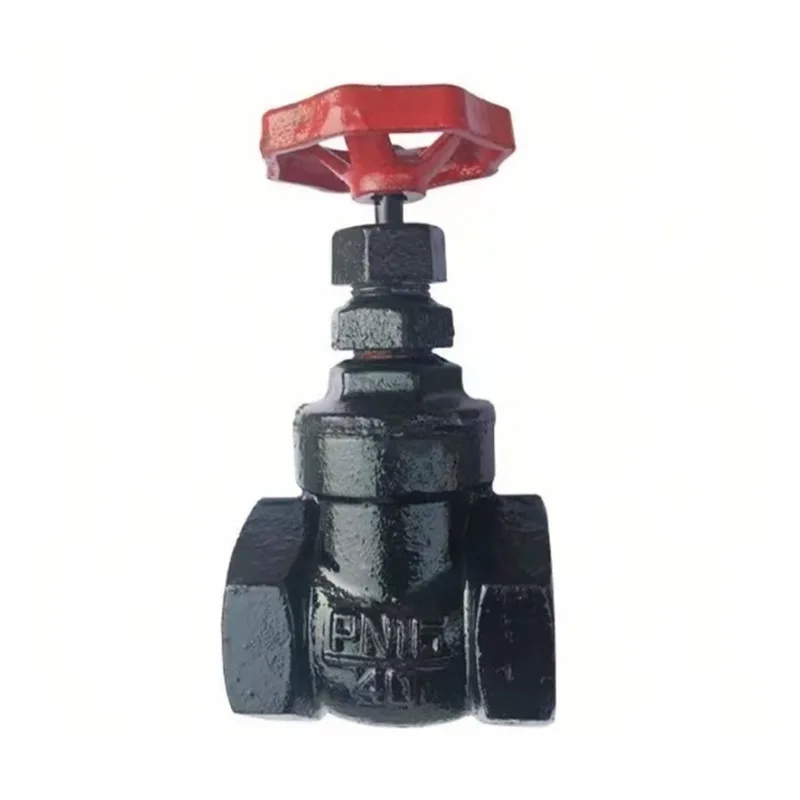
The Risks of Improper Installation
When a Cast Iron Globe Valve is installed without adherence to technical guidelines, the consequences extend beyond simple leakage. The mechanical stress on the valve body and internal components can compromise the entire piping system. Below is a comparison of the outcomes based on installation quality:
| Installation Factor | Correct Installation Outcome | Incorrect Installation Consequence |
|---|---|---|
| Pipe Alignment | Stress-free operation; long service life | Bent stem; premature packing wear |
| Flow Direction | Optimal throttling and shut-off capability | Cavitation; damage to the disc and seat |
| Torque Application | Secure fit without cracking the cast iron body | Distorted flanges; hairline fractures |
| Support & Bracing | Vibration absorption; stable performance | Fatigue failure at threaded connections |
Best Practices for Installation
To ensure the longevity of your Cast Iron Globe Valve, follow these essential professional steps:
-
Inspect Before Installation: Always check the valve for shipping damage and ensure the interior is free of debris.
-
Verify Flow Direction: Cast iron valves are unidirectional. Match the arrow on the body to the flow path.
-
Use Proper Gaskets: Select gaskets compatible with the media to prevent leaks at the flange connections.
-
Tighten Bolts Evenly: Use a torque wrench in a cross-pattern to apply uniform pressure and avoid warping the cast iron body.
-
Support the Piping: Never let the pipe weight hang on the valve; use independent supports to relieve stress.
Frequently Asked Questions
1. What happens if I install a Cast Iron Globe Valve backward?
If you install a Cast Iron Globe Valve backward, the fluid will attempt to close the valve rather than lift the disc. This reversal causes the media to rush against the back of the seat, leading to severe turbulence, vibration, and erosion. Over time, this erodes the sealing surfaces, making it impossible for the valve to achieve a bubble-tight shut-off. It also significantly increases the pressure drop across the system.
2. Why is over-tightening a Cast Iron Globe Valve dangerous?
Cast Iron Globe Valve bodies are strong in compression but brittle under tension. Over-tightening the flange bolts creates excessive tensile stress on the cast iron material. Because cast iron has low ductility, it cannot deform to relieve this stress; instead, it will crack. A hairline crack might not leak immediately, but thermal expansion or water hammer will eventually cause it to propagate, resulting in a sudden and dangerous rupture.
3. Do I need special supports for a Cast Iron Globe Valve in vertical pipes?
Yes. While a Cast Iron Globe Valve can be installed in a vertical line, the pipe must be properly anchored. Cast iron is heavy, and the weight of the valve combined with the water column creates significant leverage. If the vertical pipe is not clamped securely above and below the valve, the torque can loosen the threaded connections or apply uneven pressure on the bonnet joint, leading to external leaks at the packing or body-bonnet seal.
Conclusion
The integrity of your pipeline depends on the care taken during the installation of every component. A Cast Iron Globe Valve offers exceptional control and reliability, but only when mounted with precision and expertise. Don't leave the success of your project to chance.
Contact us at Gongchuang today for expert guidance and to explore our premium range of valves designed for demanding industrial environments.