

Why Is Material Selection Important for a a Special For Oil Field Globe Valve's Performance
2026-01-22
In the demanding world of oil and gas extraction, every component faces a relentless test of strength and endurance. The performance, safety, and longevity of your critical flow control systems hinge on one fundamental decision: material selection. For a Special For Oil Field Globe Valve, this choice is not a mere detail; it is the cornerstone of its operational integrity. At JQF, we engineer valves that are built to withstand the industry's harshest environments, and it begins with precision-engineered materials.
Choosing the wrong material can lead to catastrophic failures, including leaks, seizures, or ruptures, posing significant safety risks and causing costly downtime. The right material ensures the valve performs reliably under extreme conditions commonly encountered in oil fields.
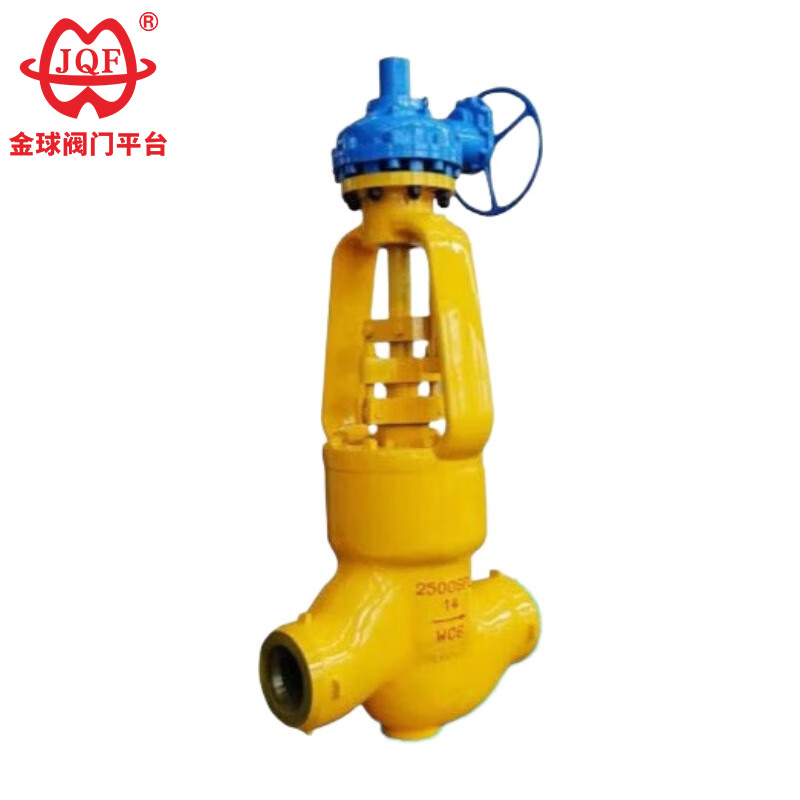
Key Material Properties for Superior Performance:
-
Corrosion Resistance: To combat corrosive elements like H₂S, CO₂, and saline fluids.
-
High Strength & Pressure Rating: To withstand extreme upstream and downstream pressures.
-
Wear and Erosion Resistance: To endure abrasive particulates in the flow stream.
-
Temperature Stability: To maintain integrity in both Arctic cold and high-temperature processing.
JQF valves utilize a curated selection of alloys, each matched to specific service challenges. The following table illustrates common material applications:
| Valve Component | Common Material at JQF | Primary Performance Benefit |
|---|---|---|
| Body & Bonnet | ASTM A216 WCC, A352 LCC, Duplex Stainless Steel | High strength, excellent pressure containment, and corrosion resistance. |
| Trim (Seat/Disc) | 13% Chrome, Stellite 6, Tungsten Carbide | Superior erosion and galling resistance for long-lasting shut-off. |
| Stem | 17-4PH Stainless Steel, Inconel 718 | High tensile strength and resistance to sulfide stress cracking. |
Special For Oil Field Globe Valve FAQ
What makes the trim material so critical in a Special For Oil Field Globe Valve?
The trim materials are the primary contact points for sealing and flow control. They are directly exposed to the full velocity and abrasiveness of the media. JQF specifies hardened alloys like Stellite to prevent rapid wear, ensuring a tight seal and extending maintenance intervals far beyond standard valves.
Can one valve material handle all oil field services?
No, a universal material does not exist. Sour service (high H₂S) requires NACE MR0175 compliant materials to prevent sulfide stress cracking. Cryogenic service demands materials like A352 LCB that retain impact strength. JQF experts conduct a thorough service condition analysis to specify the perfect material grade for your application.
How does material selection impact the total cost of ownership?
While advanced materials may have a higher initial cost, they drastically reduce the total cost of ownership. A correctly specified Special For Oil Field Globe Valve from JQF minimizes unplanned shutdowns, extends service life by years, and eliminates frequent part replacements, offering exceptional long-term value and operational safety.
The engineering behind a reliable Special For Oil Field Globe Valve is a complex science of metallurgy and application. It’s a commitment to safety and efficiency that defines every product at JQF. Don't leave your operations to chance with inferior materials.
Contact us today for a expert consultation. Let our engineering team analyze your specific service conditions and recommend the optimal JQF Special For Oil Field Globe Valve material specification for unparalleled performance and durability.