

Why Is Brass a Preferred Material for Stop Valves
2026-01-29
When selecting components for a critical plumbing or industrial system, the choice of material is paramount. For stop valves, which control the flow and are essential for isolation and safety, brass consistently emerges as the industry-preferred material. At Wanrong, we engineer our valves with this superior alloy, understanding that reliability begins at the molecular level. The enduring popularity of Brass Stop Valves is not a coincidence but a result of a unique combination of performance characteristics that directly address the demanding conditions of fluid control.
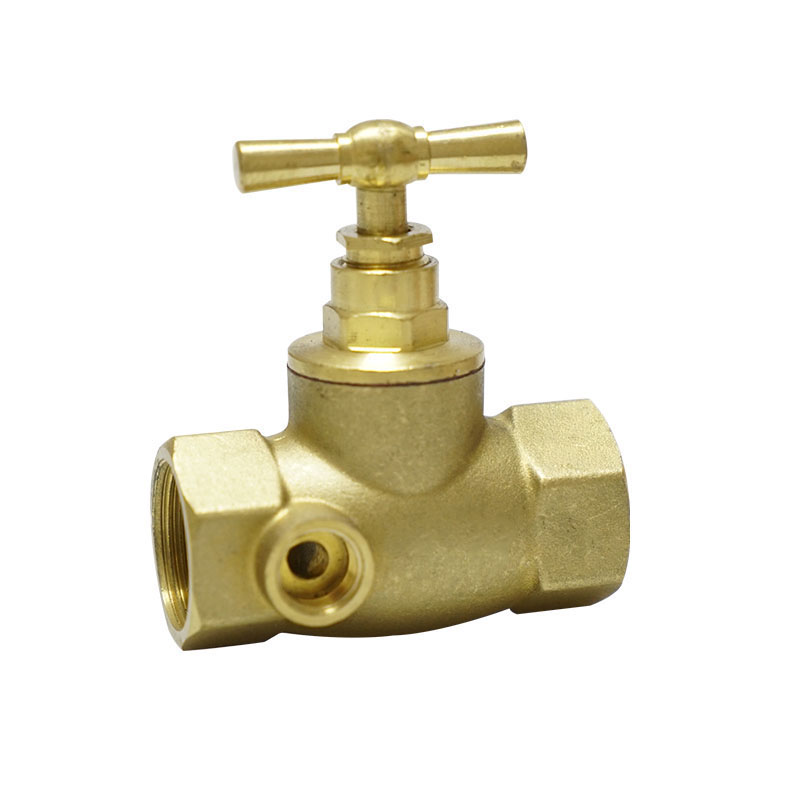
The Technical Advantages of Brass
Brass, an alloy primarily of copper and zinc, offers an ideal balance of properties for valve manufacturing:
-
Excellent Corrosion Resistance: Brass naturally withstands corrosion from water, including potable water and certain chemicals, far better than plain steel or iron. This prevents rust contamination and extends valve life.
-
Superior Machinability: The alloy is relatively soft and easy to machine with precision. This allows manufacturers like Wanrong to create complex internal structures, tight seals, and smooth threads, ensuring leak-free operation and easy installation.
-
Durability and Strength: Brass provides excellent structural integrity and can withstand high system pressures and mechanical stress without deforming or cracking.
-
Natural Lubricity: The inherent slightly lubricious quality of brass reduces friction between moving parts, such as the stem and the valve body, leading to smoother operation and reduced wear over time.
The following table summarizes how brass outperforms other common valve materials in key areas:
| Property | Brass | PVC | Stainless Steel | Iron |
|---|---|---|---|---|
| Corrosion Resistance | Excellent | Good | Excellent | Poor (prone to rust) |
| Mechanical Strength | High | Low | Very High | High but Brittle |
| Machinability/Cost | Excellent | N/A (Molded) | Difficult/High Cost | Difficult |
| Thermal Tolerance | Good | Poor | Excellent | Good |
Brass Stop Valve FAQ
To further clarify common inquiries, here are detailed answers to frequent questions about Brass Stop Valves.
FAQ 1: Can a Brass Stop Valve be used for hot water applications?
Yes, absolutely. Brass Stop Valves are highly suitable for both hot and cold water lines. The material maintains its strength and does not degrade under typical residential and commercial hot water temperatures. Wanrong valves are tested to perform reliably across standard temperature ranges.
FAQ 2: Is there a risk of lead contamination from brass valves?
Modern high-quality Brass Stop Valves, especially those certified for potable water, are manufactured from lead-free or low-lead brass alloys. Wanrong complies with stringent international standards (such as NSF/ANSI 61), ensuring our valves are safe for drinking water systems.
FAQ 3: How does the durability of brass compare to plastic valves?
While plastic valves are cost-effective for certain low-pressure uses, brass is significantly more durable and robust. A Brass Stop Valve resists UV degradation, thermal expansion, and mechanical impact far better, making it a permanent, reliable solution where safety and longevity are priorities—a core principle at Wanrong.
Conclusion and Call to Action
The evidence is clear: brass remains the gold standard for stop valve construction due to its unmatched balance of corrosion resistance, strength, workability, and longevity. It is a material engineered for performance and peace of mind. When you specify a Brass Stop Valve, you are investing in the reliability of your entire system.
At Wanrong, we leverage these inherent properties of brass through precision engineering and rigorous quality control. Our commitment is to provide valves that don't just meet specifications but exceed expectations for durability and performance.
Contact us today to discuss your project requirements. Let our technical experts at Wanrong help you select the perfect Brass Stop Valve solutions for your application. Visit our website or reach out directly for product catalogs and expert consultation.