

Why is Bonnet Extension Length Critical for the Performance of Low Temperature Globe Valves
2026-04-28
When selecting Low Temperature Globe Valves for cryogenic services such as LNG, liquid oxygen, or ethylene plants, one design parameter often overlooked is the bonnet extension length. At Hanno, we have seen how incorrect bonnet sizing directly leads to packing failure, stem freezing, and dangerous fugitive emissions. Understanding this critical dimension ensures reliable valve performance below -100°C.
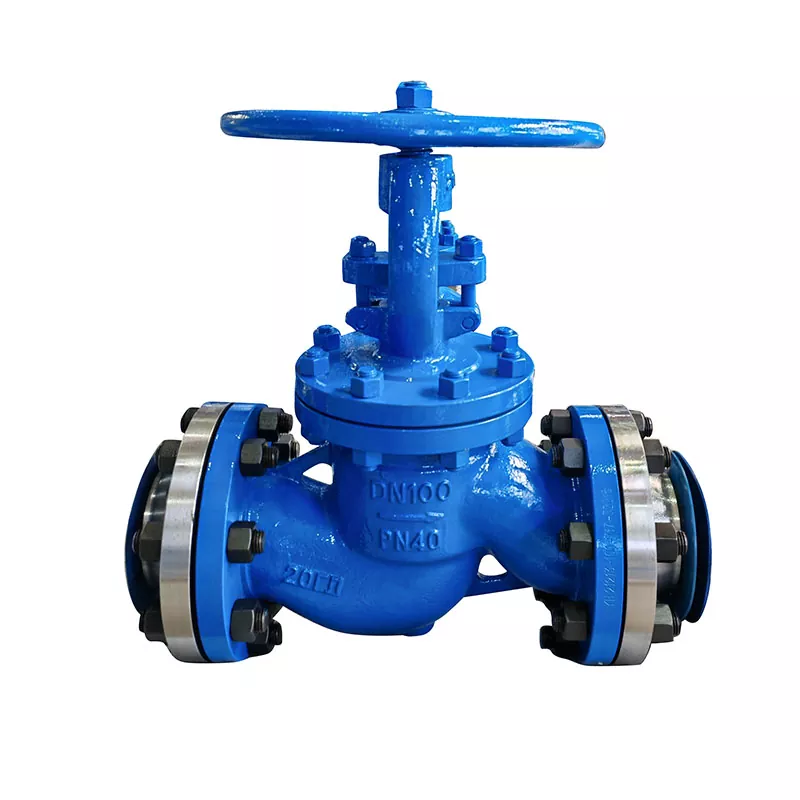
The Functional Role of Bonnet Extension
The bonnet extension moves the valve stem packing away from the cryogenic fluid zone. Without sufficient length, the packing would freeze, lose elasticity, and cause leakage. Additionally, the extension creates a thermal gradient: cold at the valve body, ambient at the top. This prevents moisture condensation on the stem, which could otherwise freeze and damage the sealing surfaces.
Why Length Directly Impacts Performance
| Performance Factor | Insufficient Bonnet Extension | Correct Bonnet Extension |
|---|---|---|
| Packing temperature | Below freezing point, leading to cracking | Maintained above 0°C for flexibility |
| Stem operation | Sticking or seizure due to ice formation | Smooth rotation and linear movement |
| Fugitive emissions | High risk of external leakage | Meets ISO 15848-2 cryogenic standards |
| Maintenance cycle | Frequent repacking needed | Extended service intervals |
Material and Length Relationship
Bonnet extension length is not arbitrary. It follows thermal calculation formulas based on valve size, operating pressure, and minimum temperature. For a typical -196°C liquid nitrogen service, the extension length must ensure that the packing chamber temperature stays above -20°C. Hanno engineers calculate this using finite element thermal analysis for each valve size.
Critical Application Examples
-
LNG loading arms: Extended bonnet prevents ice bridging on the stem.
-
Air separation units: Long bonnet allows cold box penetration without cold transfer to actuators.
-
Ethylene crackers: Prevents polymer formation in cold zones.
FAQ – Low Temperature Globe Valves Common Questions
Question 1: What happens if the bonnet extension is too short on Low Temperature Globe Valves
Answer: If the bonnet extension is too short, the stem packing will operate below its design temperature range. The packing material, typically PTFE or graphite, becomes brittle and loses its ability to seal. This leads to cryogenic fluid vaporizing in the packing area, causing rapid temperature drops that freeze moisture from the atmosphere. The result is ice formation on the stem, which damages the stem surface and packing each time the valve cycles. Eventually, the valve will leak externally, creating safety hazards in oxygen-rich cryogenic services. Hanno recommends calculating a minimum extension of 200mm for -196°C applications.
Question 2: How do you determine the correct bonnet extension length for Low Temperature Globe Valves
Answer: The correct bonnet extension length is determined by three primary factors: the minimum fluid temperature, the ambient air temperature at the installation site, and the thermal conductivity of the bonnet material. A standard engineering method is to ensure the distance from the body connection to the packing box creates a temperature rise of at least 1°C per 25mm of extension length. For practical purposes, most cryogenic standards require a minimum extension of 150mm for -100°C service, 200mm for -160°C service, and 250mm for -196°C service. However, Hanno always performs actual thermal simulation because factors like wind speed and insulation thickness significantly affect real performance.
Question 3: Can standard globe valves be converted to Low Temperature Globe Valves by adding a bonnet extension
Answer: No, a simple extension addition to a standard globe valve is not acceptable. Low Temperature Globe Valves require specially designed body-bonnet connections that can accommodate thermal contraction without loosening bolts. The extension material must match the body material grade for cryogenic toughness - typically CF8M stainless steel or LF2 low-temperature carbon steel. Standard globe valves often use bolted bonnet designs that would leak under thermal cycling. Furthermore, cryogenic valves require extended stem guides and anti-rotation devices inside the bonnet to prevent galling. Hanno manufactures dedicated cryogenic valve bodies with integrally cast or welded extensions, never add-on conversions.
Conclusion and Contact Call to Action
Selecting the correct bonnet extension length is not optional for Low Temperature Globe Valves - it directly determines packing life, emission control, and operational safety. Hanno provides fully calculated bonnet extensions with every cryogenic globe valve, backed by thermal simulation reports and type-testing certificates. Do not risk frozen stems or plant shutdowns.
Contact Hanno today to discuss your cryogenic valve requirements. Our engineers will deliver a bonnet extension design matched exactly to your process conditions. Reach us through our official website or email your specifications for a prompt technical consultation.