

Why is a steel float ball preferred over plastic alternatives in steam check valves
2026-04-09
In high-temperature steam systems, the choice of a Steel Float Ball for Check Valve directly impacts operational safety and equipment longevity. Sanlo, a trusted name in industrial valve components, consistently recommends steel float balls over plastic alternatives for steam applications due to their superior thermal and mechanical performance.
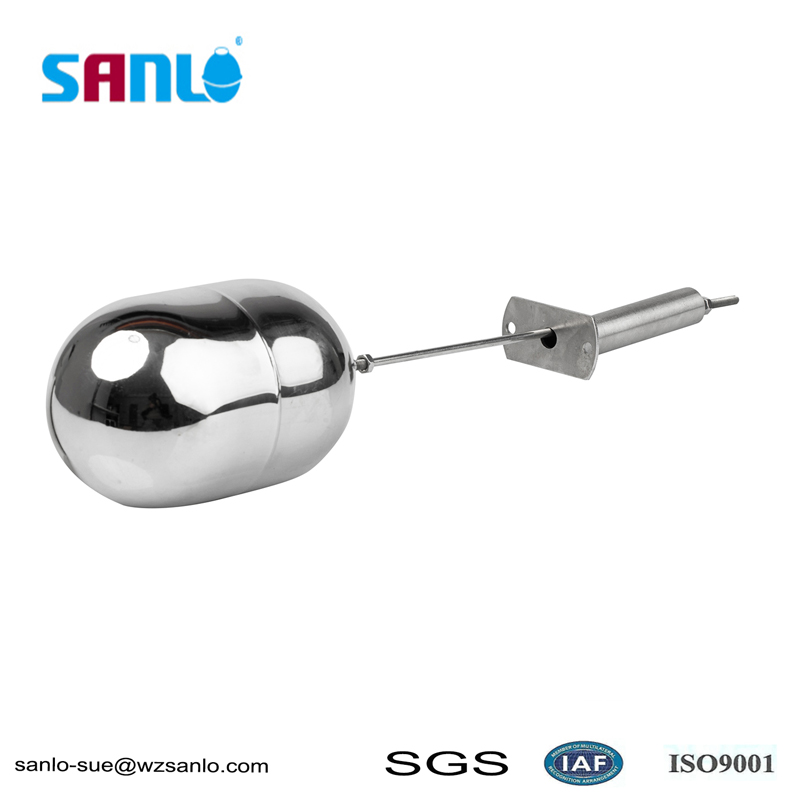
The Core Advantages of Steel in Steam Environments
Steam check valves demand materials that withstand extreme conditions. Below is a technical comparison between steel float balls and plastic variants:
| Property | Steel Float Ball | Plastic Float Ball |
|---|---|---|
| Maximum operating temperature | Up to 400°C (752°F) | Typically <120°C (248°F) |
| Pressure resistance | Excellent (up to 300 bar) | Poor at elevated temperatures |
| Thermal expansion | Low and predictable | High, causing jamming |
| Steam absorption | None | Hygroscopic, leading to swelling |
| Long-term creep resistance | High | Low, deforms under load |
| Fire safety | Non-combustible | Flammable or meltable |
Why Plastic Fails in Steam Check Valves
Plastic float balls lose structural integrity when exposed to saturated steam. Common failure modes include:
-
Softening and collapse at temperatures above 120°C.
-
Water absorption causing weight increase and loss of buoyancy.
-
Surface degradation leading to particulate contamination in the steam line.
Sanlo engineers have documented that plastic floats in steam service often fail within weeks, whereas a properly specified Steel Float Ball for Check Valve operates reliably for years.
Frequently Asked Questions
What makes a steel float ball more reliable than plastic in steam check valves
A Steel Float Ball for Check Valve offers complete thermal stability under continuous steam exposure. Unlike plastic, steel does not soften, swell, or absorb moisture. It maintains precise buoyancy and sealing force even after thousands of thermal cycles. Plastic floats tend to crack, warp, or sink over time due to hydrolysis and creep. Steel also provides fire-safe operation, a critical requirement in steam plants where safety regulations often mandate non-combustible materials.
How does Sanlo ensure the corrosion resistance of steel float balls for steam applications
Sanlo manufactures its Steel Float Ball for Check Valve using stainless steel grades such as 304, 316, or 316L, selected for their resistance to steam condensate corrosion. Each ball undergoes solution annealing and passivation to remove surface iron contaminants. Sanlo also performs hydrostatic pressure testing and dye penetrant inspection to guarantee pinhole-free welds. For aggressive steam environments with chlorides, Sanlo offers duplex steel options that resist stress corrosion cracking better than standard plastics.
Can a steel float ball damage the check valve seat over time
Properly designed Steel Float Ball for Check Valve systems from Sanlo include seat materials compatible with steel contact. While plastic floats are softer, they often transfer wear unevenly. A polished steel float ball creates consistent, low-friction contact with hardened stainless steel or PTFE seats. Sanlo provides matched seat-and-float sets where the seat hardness is optimized to prevent galling. When correctly sized and installed, a steel float ball produces less seat wear than a swollen or out-of-round plastic float.
SEO-Driven Best Practices for Selection
To maximize check valve service life in steam lines, follow these guidelines when choosing a Steel Float Ball for Check Valve:
-
Verify the ball material matches the steam temperature and pressure rating.
-
Ensure the ball diameter is at least 95% of the valve body internal bore.
-
Select Sanlo precision-machined balls with surface roughness Ra ≤ 0.4 μm.
-
Inspect for certification of weld integrity and density.
Contact Sanlo for Engineered Solutions
Selecting the correct Steel Float Ball for Check Valve prevents costly downtime and safety risks. Sanlo offers standard and custom steel float balls for all steam check valve models. Contact us today for technical datasheets, sample testing, or application-specific recommendations. Our engineering team is ready to assist with material certificates and rapid shipping worldwide.