

Why Is a PVC Material Ball Valve Preferred Over Metal Valves in Chemical Processing
2026-03-23
In the demanding world of chemical processing, selecting the right valve is critical to ensuring safety, efficiency, and long-term cost control. While metal valves have long been a traditional choice, the PVC Material Ball Valve has emerged as a superior alternative for a wide range of applications. With its exceptional corrosion resistance, lightweight structure, and cost efficiency, the PVC Material Ball Valve offers unique advantages that metal valves simply cannot match. At Zhongguan, we specialize in manufacturing high-performance PVC Material Ball Valve solutions engineered to meet the rigorous demands of modern chemical environments.
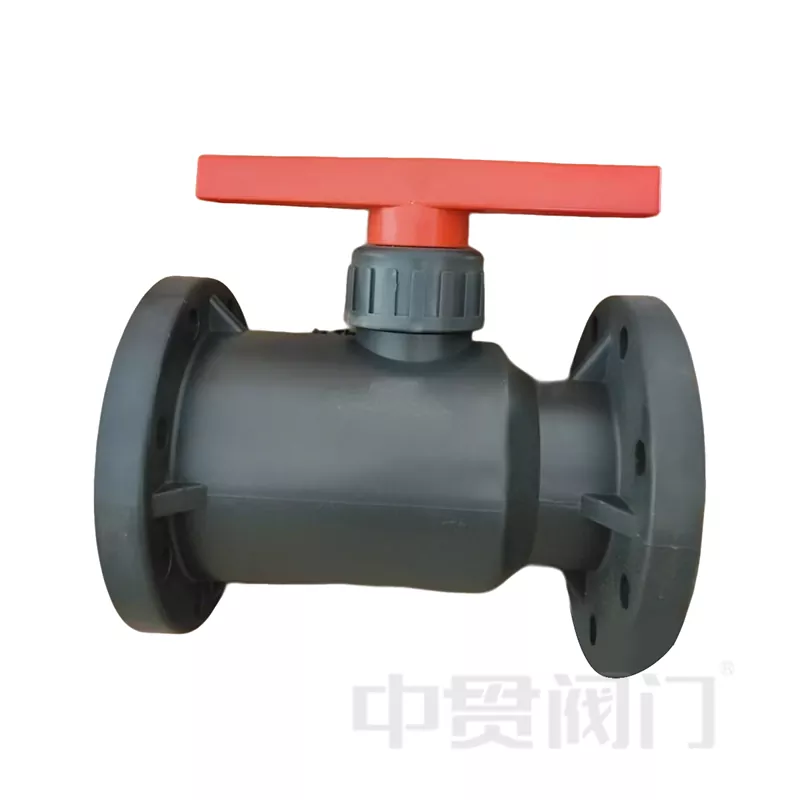
Key Advantages of PVC Material Ball Valves Over Metal Valves
The following table outlines the primary differences between PVC Material Ball Valve and traditional metal valves in chemical processing applications:
| Feature | PVC Material Ball Valve | Metal Valve (Stainless Steel / Brass) |
|---|---|---|
| Corrosion Resistance | Excellent against acids, bases, and salt solutions | Susceptible to pitting, galvanic corrosion, and chemical attack |
| Weight | Lightweight, easy to install and support | Heavy, requiring additional structural support |
| Cost | Lower initial purchase and maintenance cost | Higher material and labor costs |
| Thermal Conductivity | Low, minimizing heat loss and condensation risk | High, potential for heat transfer and burn hazards |
| Maintenance | No rust, scale buildup, or lubrication required | Regular maintenance needed to prevent seizing and corrosion |
Why the PVC Material Ball Valve Excels in Chemical Environments
Chemical processing facilities frequently handle aggressive media such as hydrochloric acid, sodium hypochlorite, and various solvents. Metal valves, even those made from stainless steel, can suffer from galvanic corrosion, pitting, and stress corrosion cracking over time. In contrast, a PVC Material Ball Valve is inherently resistant to a broad spectrum of chemicals. Its non-metallic body eliminates the risk of electrochemical reactions, ensuring consistent performance and preventing contamination of process fluids.
Additionally, the PVC Material Ball Valve features a full-port design that minimizes pressure drop and allows for smooth flow, critical for maintaining system efficiency. At Zhongguan, our valves are precision-engineered to deliver reliable shut-off and long service life, even under continuous cycling conditions.
PVC Material Ball Valve FAQ
What chemicals are compatible with a PVC Material Ball Valve?
A PVC Material Ball Valve offers excellent compatibility with a wide range of chemicals, including most acids (such as hydrochloric and sulfuric acid at moderate concentrations), alkalis, saline solutions, and chlorinated water. However, it is not recommended for use with strong oxidizing agents like concentrated nitric acid, aromatic hydrocarbons, or solvents such as acetone and ketones, as these can degrade the PVC material. Always verify chemical compatibility with the manufacturer’s guidelines before installation. Zhongguan provides detailed chemical resistance charts to assist in proper selection.
How does temperature affect the performance of a PVC Material Ball Valve?
Temperature plays a critical role in the performance of a PVC Material Ball Valve. PVC material maintains optimal mechanical strength and pressure rating at temperatures ranging from 32°F to 140°F (0°C to 60°C). As temperatures approach the upper limit, the pressure-bearing capacity gradually decreases. For applications involving elevated temperatures, special considerations must be taken. Zhongguan offers technical support to help customers select the right valve based on operating temperature and pressure requirements, ensuring safe and reliable operation.
What maintenance is required for a PVC Material Ball Valve in chemical processing?
One of the key advantages of a PVC Material Ball Valve is its low maintenance requirement. Unlike metal valves, PVC valves do not require lubrication, rust inhibitors, or anti-seize compounds. Routine inspection should focus on checking for visible cracks, leakage around the stem or body joints, and ensuring the handle operates smoothly. If the valve handles abrasive slurries, periodic cleaning may be needed to prevent particulate buildup. Zhongguan valves are designed with durable seals and precision-machined balls to reduce wear, minimizing downtime and maintenance costs over the valve’s lifespan.
Enhancing System Reliability with Zhongguan
Choosing the right valve is not only about material properties but also about manufacturing precision and quality assurance. Zhongguan combines advanced injection molding technology with strict quality control protocols to produce PVC Material Ball Valve products that meet international standards. Each valve undergoes rigorous testing to ensure leak-proof performance, dimensional accuracy, and long-term reliability. Whether the application involves water treatment, electroplating, or industrial chemical transfer, Zhongguan provides tailored solutions that align with operational demands.
Conclusion
The shift from metal to PVC in chemical processing is driven by clear performance and economic benefits. With superior chemical resistance, reduced weight, lower total cost of ownership, and minimal maintenance requirements, the PVC Material Ball Valve consistently proves to be the smarter choice for aggressive environments. Manufacturers and facility managers seeking dependable fluid control solutions recognize the value of integrating high-quality PVC valves into their systems.
For expert guidance on selecting the right PVC Material Ball Valve for your specific application, contact us today. Zhongguan is committed to delivering precision-engineered products backed by dedicated technical support. Reach out to our team to discuss your requirements and ensure your chemical processing system operates at peak efficiency and safety.