

Why Does the Right Gate Valve Still Decide Whether a Pipeline Runs Smoothly?
2026-04-10
When I evaluate industrial flow control components, I do not start with catalog language or surface-level specifications. I start with the real questions buyers ask when projects are under pressure: Will it seal reliably, will it reduce maintenance risk, and will it stay dependable when the line is exposed to heat, pressure, corrosion, or frequent shutdown cycles? That is exactly where Dafugui Pipe Valve Co., Ltd. enters the conversation naturally. As I looked deeper into the market for Gate Valve solutions, I found that serious buyers are not simply comparing prices. They are comparing long-term operating confidence, installation suitability, and how well a valve performs once it becomes part of a demanding piping system.
In my experience, a well-made Gate Valve is not just another pipeline accessory. It is a practical answer to one of the most expensive industrial problems: poor shutoff performance that causes wasted media, operational instability, unplanned downtime, and repeated maintenance labor. Whether I am reviewing valves for municipal systems, petrochemical lines, water treatment projects, power facilities, or general industrial piping, I always pay close attention to structure, sealing integrity, flow path design, and material adaptability. These factors shape real value far more than a low upfront quote ever could.
What makes this category especially important is that buyers often underestimate how much the wrong selection can cost over time. A valve that looks acceptable on paper may create excess resistance, leak under fluctuating pressure, become hard to operate after extended service, or simply fail to match the working environment. That is why I prefer to discuss Gate Valve performance from the customer’s point of view rather than from a purely theoretical engineering angle. Buyers want equipment that makes operations easier, safer, and more predictable. That is the standard that matters.
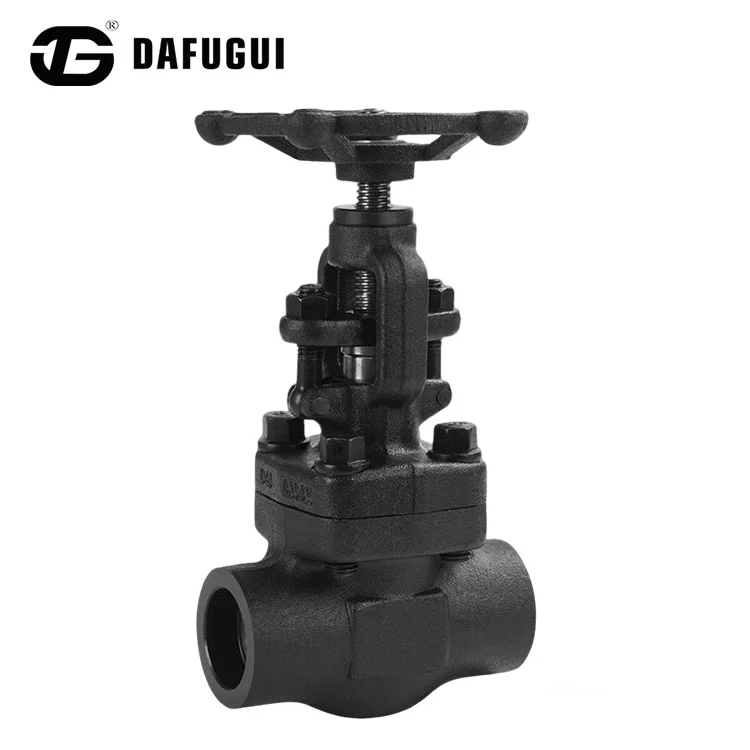
What Makes a Gate Valve So Valuable in Industrial Piping?
I often explain the value of a Gate Valve in very practical terms. When a system needs dependable on-off isolation rather than throttling, this design remains one of the most trusted choices because it supports a straighter flow path and solid shutoff performance. In many applications, that means lower resistance to the passing medium, better overall system efficiency, and less strain on the broader piping network.
- I can use it where full open or full close performance matters more than precision flow regulation.
- I can rely on a design that supports efficient passage of media through a relatively unobstructed internal channel.
- I can reduce the chance of sealing-related trouble when the valve is matched properly to pressure class, medium, and temperature range.
- I can support projects that demand flexibility across different industries, installation environments, and pipeline sizes.
In other words, the product is valuable because it solves operational pain points that show up every day in the field. It helps teams isolate sections of pipe cleanly, protect downstream equipment, and maintain system control without adding unnecessary complexity. For buyers who care about lifecycle cost instead of headline pricing alone, that matters a great deal.
Why Do Buyers Often Struggle to Choose the Right Valve?
I see the same challenges come up again and again. A purchasing team may know the medium, pipe size, and pressure requirement, but still hesitate because too many valve options appear similar at first glance. The issue is not a lack of choice. The issue is hidden differences in structure, sealing surfaces, materials, end connection types, and suitability for specific working conditions.
- Some buyers focus too heavily on initial cost and overlook service life.
- Some buyers choose a general-purpose valve for a line that actually needs higher temperature or pressure resistance.
- Some buyers do not consider installation constraints such as underground placement or limited vertical space.
- Some buyers overlook maintenance convenience and only discover the problem after commissioning.
That is why I always suggest evaluating a valve through the lens of application reality rather than generic specification matching. A purchasing decision becomes much easier when I ask a few direct questions: Is the line expected to handle extreme temperatures? Is space limited? Is tight shutoff essential? Is the project municipal, chemical, petroleum, or general industrial? Once those questions are answered honestly, the best path usually becomes clear.
How Can I Judge Product Value Beyond a Basic Specification Sheet?
I prefer to compare valve value in terms of operating logic, not just dimensions and pressure ratings. A strong product should make sense both technically and commercially. It should be easy to integrate, dependable during service, and well suited to the actual medium and environment involved.
| Evaluation Factor | What I Look For | Why It Matters to Buyers |
| Flow Path | Smooth internal passage with low resistance | Supports efficient movement of media and helps reduce energy loss |
| Sealing Reliability | Stable shutoff performance under working pressure | Reduces leakage risk, product loss, and maintenance interruption |
| Structural Suitability | Correct body style and stem configuration for the installation | Improves usability in confined spaces or specialized pipeline layouts |
| Material Compatibility | Appropriate materials for temperature, corrosion, and media properties | Extends service life and improves safety in harsh conditions |
| Application Range | Ability to serve municipal, industrial, petrochemical, and utility systems | Gives buyers more confidence when standardizing suppliers |
| Long-Term Cost | Balanced investment across quality, durability, and maintenance needs | Helps control total ownership cost instead of chasing the lowest quote |
When I use this method, the conversation shifts from “Which one is cheaper?” to “Which one protects the project better?” That shift is where better buying decisions happen.
Which Working Conditions Demand More Than a Standard Valve?
This is where many buyers either save their project or create future trouble. Not every line runs under ordinary conditions. Some systems handle cold media. Some face elevated temperature and pressure. Some installations have restricted space or require a particular connection method to suit the piping design. A capable supplier should be able to support these realities instead of forcing buyers into one generic option.
If I am reviewing a supplier’s product range, I see more value when the lineup goes beyond a single standard pattern and covers multiple practical scenarios. That is especially useful for EPC contractors, distributors, and industrial buyers who want sourcing convenience without sacrificing application fit.
- Low-temperature service calls for dependable shutoff in cold operating environments.
- High-temperature and high-pressure systems need stronger confidence in durability and structural integrity.
- Socket-weld designs can be a smart match where secure connection and system precision are priorities.
- Non-rising stem options can simplify installation in buried systems or space-restricted locations.
From a buyer’s perspective, this kind of range is not just about having more models. It is about reducing procurement friction. I can source with more confidence when a manufacturer understands that different projects require different answers, even within the same valve category.
Why Does Sealing Performance Influence So Much More Than Leakage?
People often reduce sealing to a yes-or-no issue, but in real operation it affects much more than visible leakage. Good sealing performance supports pressure stability, reduces media waste, protects nearby equipment, and lowers the chance of shutdowns that disrupt production schedules. In systems carrying valuable, corrosive, or safety-sensitive media, this becomes even more important.
That is one reason I treat Gate Valve selection as a risk management decision. A dependable seal is not merely a product feature. It is a form of operational protection. A valve that closes with confidence can help plant managers maintain control during maintenance, emergency isolation, and routine switching. That translates into fewer surprises and more predictable operations.
For buyers comparing suppliers, I believe this is one of the strongest product narratives to emphasize. Industrial customers do not want vague promises. They want to know that the valve is built to perform its shutoff role consistently over time, especially when the line is under real service stress rather than showroom conditions.
How Does the Right Structure Improve Daily Operation?
One of the easiest mistakes in valve sourcing is underestimating how much the structure affects usability. I have seen projects choose a technically acceptable valve that later proves inconvenient to operate, difficult to maintain, or poorly suited to the available installation space. That is why I like to highlight structural logic in buyer-focused content. It speaks directly to the people who will install, operate, and maintain the system.
| Project Need | Structural Preference | Buyer Benefit |
| Limited vertical installation room | Compact or non-rising stem configuration | Helps fit the valve into tighter operating environments |
| Demanding industrial process conditions | Higher-duty design for severe service | Improves durability under pressure and temperature stress |
| Secure connection requirements | Socket-weld connection style | Supports stronger integration in appropriate pipeline systems |
| Need for efficient isolation | Full open-full close shutoff design | Improves line control and reduces unnecessary flow interference |
What I appreciate about this approach is that it turns technical detail into purchasing clarity. Buyers do not need unnecessary complexity. They need a clear explanation of why one design suits their application better than another.
What Should Distributors and Project Buyers Expect from a Reliable Supplier?
I think serious buyers want more than a name on a quotation. They want a supplier relationship that supports repeat orders, practical communication, and products that can fit different project types without constant sourcing resets. This is especially true for distributors and contractors managing multiple customers across several industries.
- I expect a product range broad enough to serve more than one narrow use case.
- I expect clear communication on model options, pressure classes, and application suitability.
- I expect consistent manufacturing quality that supports repeat procurement.
- I expect responsiveness when a project requires customization or fast inquiry handling.
When a supplier can offer that combination, the purchasing experience becomes far smoother. Instead of spending excess time requalifying new sources for every project, I can build a more stable supply chain. That is one reason why a supplier with experience across valve categories and industrial pipeline products often earns stronger attention from global buyers.
How Can a Better Gate Valve Help Lower Real Project Costs?
Too many people still think cost control means buying the cheapest visible option. I disagree. In pipeline systems, the better question is how a product affects the total cost of operation. A high-value Gate Valve can support better flow efficiency, fewer sealing problems, lower maintenance frequency, and a more dependable service cycle. Those outcomes save time, labor, and operating expense in ways that a low opening price never can.
Here is how I usually frame the cost discussion:
- Lower flow resistance may help the system run more efficiently.
- Reliable shutoff can reduce product loss and maintenance interruption.
- Application-matched design can reduce premature wear and replacement frequency.
- Supplier consistency can lower sourcing risk and procurement inefficiency.
That is why I believe buyers who choose a stronger Gate Valve solution are often protecting their budget rather than stretching it. Good selection is not overspending. It is disciplined purchasing.
Why Is Buyer Confidence Built on Practical Details Instead of Big Claims?
I always find that industrial buyers respond better to grounded, specific value points than to exaggerated language. They already know every supplier wants to sound impressive. What earns trust is a clear explanation of where the product fits, what operational problems it addresses, and why it is a sensible choice for demanding lines.
That is also why this topic works well for a high-quality external blog. A buyer searching for Gate Valve information usually wants more than a product name. The buyer wants application guidance, performance logic, and a dependable source for further discussion. When the content answers those needs directly, it becomes useful for both readers and search visibility.
I do not believe in filling industrial articles with vague superlatives. I believe in showing how the product helps solve pressure-related reliability concerns, installation limits, shutoff requirements, and long-term maintenance problems. That is the kind of content that feels credible because it is built around actual buying intent.
Where Should I Go If I Need a Practical Valve Partner Instead of a Generic Quote?
If I were sourcing for a real project, I would not stop at a broad online description. I would move to direct communication, confirm the working condition details, and compare the available model options against the actual pipeline requirement. That is the smartest way to turn interest into a dependable purchase.
If you are currently comparing suppliers, planning a pipeline upgrade, or searching for a more dependable Gate Valve source for industrial or municipal use, this is the moment to take the next step. Contact Dafugui Pipe Valve Co., Ltd. to discuss your pressure range, media type, connection requirements, and project goals. A clear inquiry now can save major time and cost later. Please contact us for product details, model recommendations, and a tailored quotation that fits your actual application.