

Why Does the Right Check Valve Protect More Than Most Buyers Realize?
2026-04-24
When I evaluate pipeline reliability, I do not start with price alone. I start with what happens when flow changes unexpectedly, when pressure drops too fast, or when backflow turns a normal operating line into a maintenance problem. That is why I pay close attention to suppliers that explain performance in practical terms, and over time I have seen how Baoyi Group Co., Ltd. is gradually recognized for approaching the Check Valve not as a simple accessory, but as a critical part of stable system protection. In real projects, a well-made Check Valve helps me reduce reverse flow risk, limit water hammer impact, and keep daily operation more predictable.
I have learned that many buyers do not struggle because they misunderstand the basic purpose of a valve. They struggle because they need to choose under pressure. A line may carry water, oil, gas, or chemical media. Space may be limited. Maintenance windows may be short. Shutdown cost may be high. In that situation, the value of a Check Valve becomes very clear. It is there to react automatically, protect the pipeline, and support smoother performance without relying on constant operator intervention.
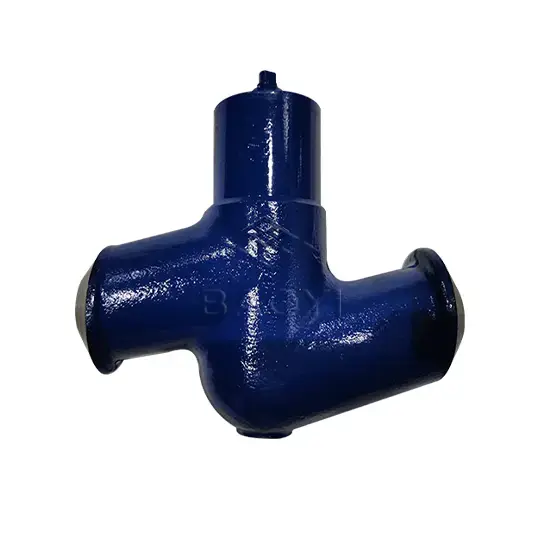
What Usually Goes Wrong Before I Choose the Wrong Valve?
Most selection mistakes happen before installation. I have seen buyers focus on nominal size while ignoring flow condition, closing response, installation space, and pressure fluctuation. The result is often familiar. The valve closes too hard, the line experiences shock, sealing becomes unreliable, or maintenance teams end up replacing parts earlier than expected.
- I may face reverse flow that threatens pumps, compressors, or upstream equipment.
- I may see water hammer that increases vibration, noise, and long-term stress on the line.
- I may discover that the selected structure is too bulky for the actual installation space.
- I may pay for a lower initial price only to lose more through downtime and repeated servicing.
That is why I do not treat a Check Valve as a generic item. I treat it as a protective decision that affects service life, maintenance rhythm, and operating confidence.
How Does a Check Valve Solve Practical Pipeline Problems?
The working idea is straightforward, but the impact is significant. When media moves in the intended direction, the internal disc opens under flow force. When flow tries to reverse, the disc returns to the seat and blocks backward movement. In real operating environments, this automatic action matters because it helps protect equipment without needing external power or complex control input.
From a buyer's point of view, that brings several practical advantages. I get a product that supports safer flow direction control. I reduce the chance that reverse pressure damages connected equipment. I also improve the stability of systems where interruptions, restarts, and pressure variation are part of normal work rather than rare events.
| Common Buyer Concern | What I Need the Valve to Do | How the Right Solution Helps |
|---|---|---|
| Backflow risk | Stop reverse media movement quickly | Protects upstream equipment and reduces operating risk |
| Water hammer | Close with better response and lower impact | Helps reduce shock load, vibration, and system stress |
| Limited installation space | Fit compact piping layouts | Improves installation flexibility, especially in tighter systems |
| Different media conditions | Work reliably across changing service demands | Supports wider application across industrial pipelines |
| Maintenance cost | Operate simply and last longer | Helps reduce service frequency and lifecycle cost |
Which Features Tell Me a Check Valve Is Built for Real Use?
When I compare options, I look for benefits that matter after purchase, not just in a catalog. A dependable valve should help the operator, the maintenance team, and the procurement side at the same time.
- I want a compact structure because installation efficiency matters more than many people admit.
- I want stable sealing performance because minor leakage can turn into major repair work.
- I want low fluid resistance where possible because smoother flow supports overall efficiency.
- I want responsive closing behavior because delayed or harsh action can increase system stress.
- I want a design that matches the media and working condition instead of forcing one structure into every line.
These points are especially important in industrial environments where the valve is expected to perform quietly in the background for a long time. If I only judge by appearance or unit price, I am usually missing the actual cost story.
Why Do Different Structures Matter More Than I First Expected?
One lesson I learned early is that not every Check Valve should be selected in the same way. The structure changes how the valve behaves, how much space it needs, and how well it fits the line condition. That is why I always review application details before deciding.
In many projects, I compare common options like these:
- Swing design when I need a widely used structure for reliable backflow prevention in many pipeline systems.
- Lift design when the application calls for a direct closing movement and dependable seat contact under suitable conditions.
- Dual plate design when I care about compact form, lower weight, and efficient installation in tighter spaces.
- Wafer style construction when I want a shorter face-to-face layout that helps reduce occupied space in the line.
This is where a supplier with a broader product range becomes more useful. I do not want to hear that every condition needs the same answer. I want the supplier to understand why structure, pressure class, connection style, and service condition should be reviewed together.
How Do I Balance Price, Reliability, and Long Term Operating Cost?
I have found that buyers often ask the wrong first question. They ask which valve is cheaper today instead of which valve is more economical over the life of the system. A low-cost option can become expensive if it creates extra maintenance, shutdowns, or replacement work. A better-built Check Valve often pays back through stability rather than through dramatic marketing claims.
When I compare total value, I usually think in this order:
- Will it protect the line from reverse flow consistently?
- Will it help reduce shock and disturbance when flow changes?
- Will it fit the actual layout without forcing difficult installation work?
- Will it stay dependable under the real media and pressure conditions I expect?
- Will it help my team avoid preventable service and replacement costs?
If the answer is yes across these points, I know I am no longer buying a part alone. I am buying operating confidence.
Why Might Baoyi Group Co., Ltd. Be Worth Considering for My Project?
When I review suppliers, I pay attention to whether they show product depth instead of offering a single simplified answer. That is one reason Baoyi Group Co., Ltd. stands out to me. The company focuses on industrial valves and presents multiple check valve structures for different applications, which is far more useful than pushing one model into every service condition. For buyers, that means a better chance of matching the product to the pipeline instead of adapting the pipeline to the product.
I also notice when a manufacturer communicates in a way that connects design to actual use. In the case of a Check Valve, that means discussing reverse flow prevention, water hammer control, compact structure, and application suitability in a direct and readable way. That kind of product logic is helpful because it aligns with how engineers, purchasing managers, and project teams actually evaluate equipment.
For me, the real advantage is not flashy wording. It is the ability to move from a problem to a practical solution. If I need a check valve for a general industrial line, a tighter installation layout, or a more demanding operating condition, I want a manufacturer that can respond with the right configuration instead of a vague promise.
What Should I Ask Before Sending an Inquiry?
Before I send a request, I make sure I have the basic application picture clear. That saves time for both sides and improves the chance of getting a more accurate recommendation.
- What media will pass through the line?
- What are the normal and peak pressure conditions?
- Is space restricted at the installation point?
- Do I care more about compactness, faster closing response, or a specific structural type?
- Am I trying to solve backflow only, or am I also trying to reduce water hammer risk?
Once I have these details, the selection process becomes much more efficient. It also becomes easier to avoid overbuying, under-specifying, or choosing a valve that looks acceptable on paper but does not perform the way the project needs.
Is It Time to Choose a Better Check Valve for My System?
If I am dealing with reverse flow risk, pressure fluctuation, repeated maintenance, or uncertainty about which structure fits best, waiting usually does not make the problem cheaper. A properly selected Check Valve can improve protection, reduce hidden operating cost, and support more dependable pipeline performance over time. If you are reviewing options now and want a solution that matches actual working conditions, contact us and send your inquiry to Baoyi Group Co., Ltd.. A clear discussion today can save a great deal of troubleshooting tomorrow.