

Why Does the Right Butterfly Valve Make Such a Big Difference in Industrial Flow Control?
2026-03-20
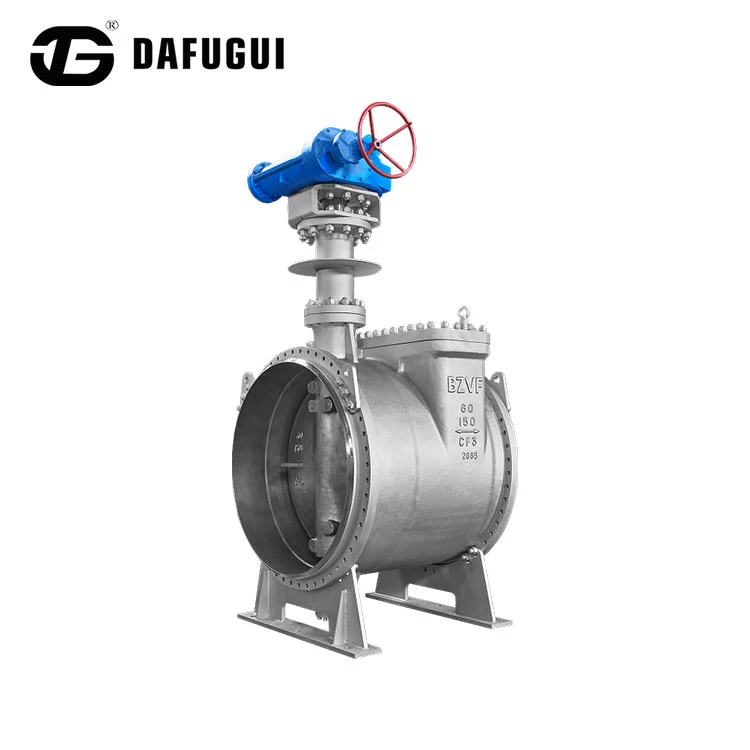
When I look at what causes the most trouble in fluid control systems, I rarely blame the pipeline first. In many real projects, the real issue starts with the valve choice. That is exactly why more buyers, engineers, and project managers are paying closer attention to the Butterfly Valve. As I explored practical solutions from Dafugui Pipe Valve Co., Ltd., I found that the conversation is no longer just about opening and closing flow. It is about sealing reliability, operating torque, installation space, maintenance cost, and long-term stability in real working conditions. A well-chosen Butterfly Valve can help reduce downtime, simplify operation, and improve overall system control without adding unnecessary complexity.
Why Do So Many Industrial Buyers Struggle with Valve Selection?
I often see the same pattern in purchasing and maintenance teams. A system begins with a reasonable budget, a basic media requirement, and a planned service life. Then problems start to appear. The medium may be more abrasive than expected. The temperature may fluctuate more than the original design assumptions. The installation space may be narrower than the drawings suggested. By the time the valve is in service, the buyer realizes that a poor match creates constant leakage risks, difficult operation, or expensive maintenance.
This is where a properly engineered Butterfly Valve stands out. Instead of treating the valve as just another pipeline accessory, I prefer to treat it as a control point that affects the whole system. If I want quick shutoff, compact design, lower driving torque, and easier integration into different industrial lines, this valve type often becomes one of the most practical options.
- I want a valve that saves installation space
- I want faster opening and closing response
- I want simpler maintenance routines
- I want a solution that can serve different media conditions
- I want lower lifecycle cost rather than a cheap but risky purchase
What Problems Can a Butterfly Valve Solve in Daily Operation?
In real industrial environments, the most frustrating issues are rarely dramatic. They are usually repetitive, costly, and time-consuming. I am talking about difficult valve operation, sealing wear, unstable flow regulation, oversized equipment, and unnecessary shutdowns during servicing. A quality Butterfly Valve addresses these issues in a very direct way.
Because the disc rotates within the flow path, the structure remains relatively compact compared with many bulkier shutoff solutions. That matters when I have limited installation room or when retrofitting an older system. Fast quarter-turn operation also makes the valve more convenient for applications where response speed matters. In addition, when I need a practical balance between shutoff and flow regulation, this valve style often delivers that balance more efficiently than buyers expect.
| Common Customer Pain Point | How a Well-Chosen Butterfly Valve Helps |
| Limited installation space | Compact body design makes integration easier in tight layouts |
| Slow or inconvenient operation | Quarter-turn action supports faster opening and closing |
| Frequent maintenance pressure | Simple structure can reduce service complexity |
| Need for flow control and shutoff in one line | Suitable models can handle both isolation and regulation tasks |
| High concern about long-term operating cost | Balanced performance can improve overall lifecycle value |
Why Is Product Structure So Important When I Compare Valve Options?
I do not like buying industrial components based on catalog language alone. I care more about whether the internal design supports the way the system actually runs. A good valve should not only function on day one. It should also remain reliable after repeated cycles, pressure variation, and media exposure.
One reason the Butterfly Valve remains popular across industries is that its operating principle is straightforward, but its engineering potential is broad. Different seat designs, body materials, sealing structures, and actuation methods allow it to fit a wide range of operating demands. That means I can focus on matching the valve to the application instead of forcing the application to adapt to the valve.
- I first consider the medium, including whether it is water, air, steam, slurry, oil, or corrosive fluid.
- I then check working temperature and pressure range because these directly affect material and sealing requirements.
- I also look at whether I need simple shutoff, throttling control, or both.
- I evaluate manual, gear-operated, electric, or pneumatic operation based on site conditions.
- I compare long-term service expectations instead of judging by unit price alone.
What Advantages Do I Actually Gain When I Use a High-Quality Butterfly Valve?
For me, the real value is never just one feature. It is the combination of practical advantages that makes the difference. When the valve is selected correctly, I get a product that works efficiently in the background and helps the rest of the system perform with less friction.
- Compact construction that supports space-saving installation
- Lightweight design that can ease handling and assembly
- Quick quarter-turn operation for efficient control
- Adaptability across multiple industries and media types
- Lower operating burden in systems that demand frequent use
- Potential to simplify both initial layout and later maintenance
These are not just abstract selling points to me. They directly affect labor time, maintenance planning, shutdown risk, and replacement frequency. When I think like a buyer instead of a brochure writer, that is exactly where product value becomes real.
How Can I Judge Whether a Supplier Truly Understands My Application?
I always pay attention to whether a supplier talks only about products or whether they understand applications. There is a big difference. A supplier that only lists sizes and materials may still leave me with unresolved questions. A stronger manufacturing partner usually thinks beyond the catalog. I expect support around working conditions, selection logic, and matching the right design to the right line.
That is one reason I believe buyers should pay attention to how manufacturers present their range. If a supplier can cover different industrial scenarios, including demanding temperature conditions and specialized control requirements, that usually tells me they are working from application knowledge rather than generic sales language. It also gives me more confidence when I need custom discussion or project-based communication.
| What I Evaluate in a Supplier | Why It Matters to Me |
| Product range diversity | It shows whether the supplier can support different operating conditions |
| Understanding of industrial media | It reduces the risk of poor material or seal selection |
| Communication clarity | It helps avoid costly mistakes during specification and procurement |
| Focus on durability and maintenance | It reflects whether the supplier thinks beyond first-time sales |
| Ability to support practical selection | It improves decision-making for engineers and purchasing teams |
What Should I Check Before I Place an Order?
I never want to discover specification gaps after installation. Before I order any Butterfly Valve, I make sure the key details are aligned with the actual project. This step saves time, money, and a surprising amount of stress later.
- What medium will pass through the valve?
- What is the normal and maximum working temperature?
- What pressure conditions will the valve face?
- Is the valve mainly for isolation, regulation, or both?
- What connection standard and size do I need?
- Do I need manual, gear, electric, or pneumatic actuation?
- Is corrosion resistance a major concern?
- How often will the valve cycle in normal service?
Once I answer those questions clearly, it becomes much easier to choose a valve that fits the line instead of gambling on a product that only looks acceptable on paper.
Why Does Installation and Maintenance Still Matter After I Buy the Valve?
Even a strong product can underperform if installation is careless. I have seen projects where the valve itself was not the problem at all. The issue was improper alignment, incorrect operating position during installation, or poor startup procedure. That is why I always treat installation and maintenance as part of the buying decision.
A reliable Butterfly Valve should support straightforward servicing, but I still want proper guidance from the supplier. During installation, operators should pay attention to disc position, line cleanliness, and overall system compatibility. During maintenance, I care about whether inspection can be done efficiently and whether replacement planning is realistic for the plant schedule.
- I confirm installation requirements before the valve arrives on site.
- I make sure the pipeline condition matches the intended valve design.
- I train operators on correct opening and closing practice where needed.
- I include inspection intervals in the maintenance plan rather than waiting for failure.
Why Does a Better Valve Choice Protect My Budget Over Time?
Too many buyers still compare industrial valves by upfront price alone. I understand the pressure to control procurement cost, but I think that approach often becomes more expensive in the long run. If a valve creates leakage issues, operating resistance, maintenance delays, or premature replacement, the original savings disappear very quickly.
When I choose a well-made Butterfly Valve, I am not simply buying a component. I am reducing the chance of interruption, protecting manpower efficiency, and lowering the hidden cost of avoidable service issues. That is why product quality, engineering suitability, and supplier communication all matter together.
Would It Be Smarter to Talk with an Experienced Manufacturer Before Finalizing My Specification?
Yes, and I say that because many valve problems begin before the order is placed. If I discuss the actual project conditions with an experienced manufacturer early, I can often avoid overspecifying, underspecifying, or choosing a valve that only seems suitable at first glance. That kind of conversation is especially valuable for projects involving demanding media, temperature extremes, or long service expectations.
If you are currently comparing options and want a more dependable solution for industrial flow control, this is the right time to take a closer look at a professionally selected Butterfly Valve. If you want support from a manufacturer that understands practical application needs and product matching, contact us today. I encourage you to send your requirements, discuss your working conditions, and request a tailored recommendation from Dafugui Pipe Valve Co., Ltd.. The right valve choice can start with one clear conversation, so do not hesitate to contact us for your next inquiry.