

Why Do Globe Valves Still Matter When Precise Flow Control Is Non-Negotiable?
2026-04-03
When I evaluate valve performance in real working conditions, I do not only look at whether a component can open or close. I also pay attention to how steadily it controls flow, how reliably it seals over time, and how easily it fits into real maintenance routines. That is exactly where Dafugui Pipe Valve Co., Ltd. comes into the conversation in a natural way. In many industrial systems, Globe Valves remain one of the most practical choices for operators who need dependable shut-off, predictable throttling, and long-term service value rather than short-term cost savings alone.
For buyers, engineers, and project managers, the real concern is rarely just product selection on paper. The real concern is whether the valve will perform under pressure, whether it will reduce leakage risk, whether it will stay manageable during maintenance, and whether it will help protect the efficiency of the full pipeline system. In my view, those are the reasons why Globe Valves continue to be specified across water treatment, chemical processing, energy systems, oil and gas lines, and general industrial piping.
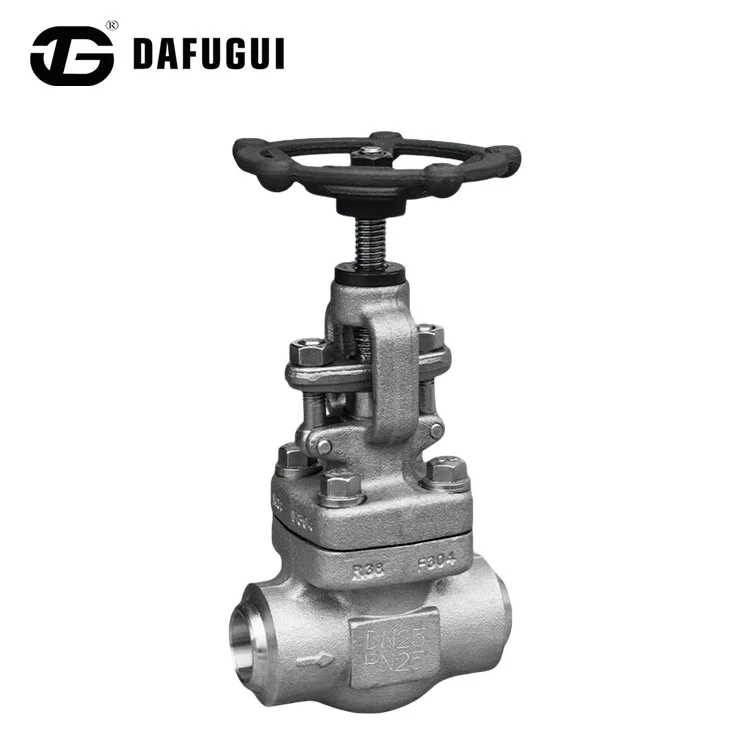
What Makes This Valve Style So Useful In Daily Industrial Work?
I often find that the best industrial products are not the ones with the loudest claims. They are the ones that solve familiar problems without creating new ones. A globe valve is valued because it gives me stronger control over fluid movement. Instead of simply offering an open-or-closed result, it allows me to regulate flow with more confidence, which matters when the process needs stability instead of sudden change.
- I can use it for shut-off when sealing reliability matters.
- I can use it for throttling when the line needs controlled flow adjustment.
- I can integrate it into systems where maintenance access and operating consistency are important.
- I can choose it when process quality depends on measured, repeatable regulation rather than rough isolation alone.
That combination is why many buyers keep returning to Globe Valves for applications where process discipline matters more than simple low-cost substitution.
Why Do Buyers Often Struggle To Choose The Right Valve For Flow Control?
From what I see in procurement and project planning, many customers do not fail because they lack options. They fail because too many options are presented without enough practical comparison. Some buyers focus on price too early. Others focus on size or material only, while overlooking how the valve will actually behave after installation. That is where a poor selection can quietly become an expensive problem.
The most common pain points usually look like this:
- Unstable flow regulation that affects downstream equipment
- Frequent sealing wear that increases maintenance intervals
- Difficult operation after repeated use
- Mismatch between media conditions and valve body material
- Unexpected downtime caused by leakage or poor seating
- Procurement decisions made without enough attention to lifecycle cost
When I compare valve options from a practical operating perspective, Globe Valves often stand out because they address these concerns in a balanced way. They are not chosen just because they are familiar. They are chosen because they make system behavior easier to manage.
How Do Globe Valves Help Improve Process Accuracy?
One reason I would recommend Globe Valves for many industrial lines is the control profile they offer. In systems where flow needs to be adjusted gradually and with purpose, a valve that allows more precise regulation can protect both product quality and equipment stability. That matters in production lines that cannot afford sudden flow fluctuation, pressure inconsistency, or repeated manual correction.
When I think about process accuracy, I usually focus on four priorities:
- Whether the valve responds smoothly during adjustment
- Whether the sealing area stays stable after repeated cycles
- Whether the operator can make controlled changes without overshooting the target
- Whether the valve supports both regulation and shut-off in one dependable unit
Because of their structure and operating logic, Globe Valves are especially useful where measured control is more important than fast full-bore movement. That makes them relevant not only in large industrial networks but also in smaller systems where consistent regulation protects the whole process.
Which Practical Advantages Should Serious Buyers Pay Attention To?
I believe buyers get better results when they stop asking only “How much does it cost?” and start asking “What problems will it prevent?” In that context, a well-made globe valve offers value that reaches beyond the initial purchase price.
| Buyer Concern | Why It Matters | How A Well-Made Globe Valve Helps |
|---|---|---|
| Flow regulation | Unstable flow can reduce process quality and strain equipment | Supports more controlled and gradual adjustment |
| Sealing reliability | Leakage increases safety risk and maintenance cost | Designed for dependable shut-off when selected correctly |
| Service life | Frequent replacement raises total operating expense | Durable construction helps reduce unnecessary change-outs |
| Maintenance planning | Complex servicing creates downtime and labor burden | Predictable operation supports more manageable maintenance routines |
| Application flexibility | Different media and systems require appropriate matching | Can be specified for varied industrial conditions with proper material selection |
That is why I do not view Globe Valves as a basic commodity. I see them as working components that help reduce uncertainty in the pipeline.
What Should I Check Before Selecting A Supplier?
Even a good valve type can become a poor purchase if the supplier cannot provide stable quality, clear specifications, or responsive communication. I always suggest that buyers assess not just the product image or headline claim, but the supplier’s actual ability to support industrial use.
Here is the checklist I would use:
- Does the supplier clearly explain available materials and configurations?
- Can the supplier support different project requirements instead of offering one generic version?
- Is the manufacturing experience relevant to valves and related pipeline products?
- Can the supplier communicate clearly about application fit, not just pricing?
- Does the supplier show consistency in product positioning and service response?
From a buyer’s perspective, those points matter because they affect more than the order itself. They affect lead time, installation confidence, replacement planning, and long-term cooperation. That is one reason a manufacturer with established production experience, such as Dafugui Pipe Valve Co., Ltd., can attract attention from buyers who want more than a one-time transaction.
Why Does Material And Build Quality Have Such A Big Impact On Performance?
I have seen many procurement mistakes begin with the assumption that all valves of the same type will perform in the same way. In reality, material choice, sealing design, machining quality, and structural consistency make a major difference. A valve that looks acceptable in a catalog may behave very differently in a working pipeline once temperature, pressure, corrosion risk, and operating frequency come into play.
That is why I always connect specification review with real operating conditions:
- For corrosive media, material compatibility must be checked carefully.
- For frequent opening and closing, wear resistance becomes more important.
- For precise regulation, internal geometry and seat quality matter more than many buyers expect.
- For long-cycle projects, lifecycle value should outweigh the temptation of the lowest quote.
When these details are handled well, Globe Valves can deliver a practical mix of control stability, sealing confidence, and operational durability.
Where Do These Valves Create The Most Value In Real Applications?
I usually see the strongest value from globe valves in systems where operators need to do more than isolate the line. When flow needs to be adjusted responsibly and repeatedly, this valve style becomes especially useful. It fits environments where process balance matters and where operators want more confidence during routine control.
| Application Area | Main Operational Need | Why Globe Valves Fit |
|---|---|---|
| Water treatment | Stable regulation and shut-off | Helps manage controlled flow across treatment stages |
| Chemical processing | Reliable control under process demands | Supports measured adjustment where process consistency matters |
| Power systems | Dependable line control | Useful where operating stability and shutdown performance are important |
| General industrial pipelines | Balanced shut-off and throttling capability | Provides a practical solution for everyday plant use |
| Oil and gas support systems | Controlled media management | Can help where disciplined flow handling is required |
For these sectors, I do not think the buying question should be “Do I know this valve type?” The better question is “Does this valve help me control the process more safely and more predictably?” In many cases, Globe Valves answer that question well.
How Can A Better Valve Choice Reduce Hidden Costs Over Time?
Many customers focus on the visible number in the quotation sheet. I understand that. Budget pressure is real. But the more useful calculation is not just the purchase price. It is the total cost of performance over time.
Hidden costs often come from:
- Unexpected shutdowns caused by poor sealing
- Frequent maintenance labor
- Production inefficiency from unstable flow adjustment
- Replacement orders triggered by early wear
- Project delays caused by mismatched specifications
When I take those factors seriously, a reliable valve becomes a cost-control decision, not just a hardware purchase. That is another reason buyers looking for long-term operating value often return to Globe Valves when they need precision, stability, and service practicality in one package.
Why Is A Custom-Fit Approach Better Than Buying A Generic Valve?
No two projects are exactly the same. Media type, pressure range, temperature conditions, installation space, and operating frequency can change what “the right valve” really means. I do not think a generic recommendation is enough for a serious industrial purchase. A more useful supplier is one that understands the working context and helps align the valve with the real system.
That is where a more focused manufacturing and supply approach becomes valuable. Buyers often benefit when the manufacturer can support different project requirements instead of pushing a one-size-fits-all answer. For sourcing teams that want both product reliability and communication efficiency, that makes the buying process smoother and far less risky.
What Should A Strong Purchase Decision Look Like In The End?
If I were making the final recommendation, I would not choose based on trend language or generic catalog promises. I would choose based on operating logic. I would ask whether the valve helps regulate flow accurately, whether it seals reliably, whether it supports service life expectations, and whether the supplier appears capable of long-term support.
That is the practical standard buyers should keep in mind. When those criteria matter, Globe Valves remain a smart and relevant solution for many industrial systems. They continue to offer a useful combination of shut-off reliability, flow regulation capability, and application versatility that many projects still need today.
If you are comparing options for your next pipeline project and want a valve solution that supports stable performance rather than guesswork, now is a good time to take the next step. Contact us to discuss your application, request product details, or send your inquiry to Dafugui Pipe Valve Co., Ltd. A well-matched valve can save time, reduce maintenance pressure, and improve process confidence, so if you are ready to source dependable Globe Valves, please contact us today.