

Why Are Ductile Iron Pipes Becoming the Future Standard for Water?
2025-10-23
A ductile iron pipeis a highly durable and versatile pipe made from ductile cast iron, known for its exceptional strength, flexibility, and resistance to corrosion. It is primarily used for water supply, sewage systems, gas pipelines, and industrial fluid transportation. Unlike traditional cast iron pipes, ductile iron pipes are made using nodular graphite structures, which significantly improve their tensile strength and impact resistance. This innovation allows them to perform exceptionally well under high-pressure conditions and in harsh environments.
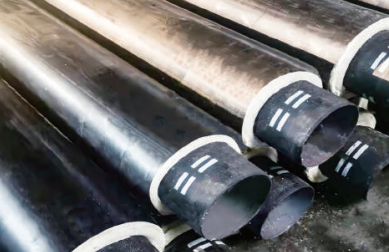
The increasing global emphasis on infrastructure sustainability and water resource management has driven the widespread adoption of ductile iron pipes. Their long lifespan, low maintenance cost, and superior mechanical performance make them a preferred choice for municipalities, construction engineers, and utility companies worldwide.
Why Choose Ductile Iron Pipes Over Other Materials?
The success of ductile iron pipes lies in the perfect balance between strength, flexibility, and corrosion resistance. When comparing to steel, PVC, or concrete pipes, ductile iron pipes consistently deliver higher structural reliability and lower lifecycle costs. The following characteristics explain why they are increasingly favored in critical infrastructure projects:
| Parameter | Ductile Iron Pipe Specification | Performance Advantage |
|---|---|---|
| Material Composition | Nodular graphite iron with magnesium alloy treatment | High tensile and yield strength |
| Diameter Range | DN 80 mm to DN 2600 mm | Suitable for small to large water networks |
| Working Pressure | Up to 1000 psi (68 bar) | Withstands extreme hydraulic pressure |
| Coating Options | Zinc-aluminum alloy, bituminous paint, epoxy coating | Long-lasting corrosion protection |
| Joint Type | Push-on joint, mechanical joint, flanged joint | Easy installation, leak-free performance |
| Internal Lining | Cement mortar, polyurethane, epoxy | Prevents internal corrosion and scale buildup |
| Expected Lifespan | 75 to 100 years | Excellent long-term durability |
| Maintenance Needs | Minimal | Low total cost of ownership |
Compared to PVC and HDPE pipes, ductile iron pipes handle higher internal pressure and resist deformation under external loads, making them ideal for deep burial or urban infrastructure. Furthermore, they have a superior environmental performance, as the material is fully recyclable, reducing the carbon footprint of construction projects.
How Do Ductile Iron Pipes Support Modern Infrastructure Development?
Strength and Resilience in Critical Applications
In large-scale water distribution and wastewater systems, performance reliability is crucial. Ductile iron pipes have a high strength-to-weight ratio, meaning they can handle both internal pressure surges and external soil loads without cracking or breaking. This reliability is particularly vital in regions prone to earthquakes, heavy traffic, or fluctuating soil conditions, where other materials often fail prematurely.
The push-on joint system enables quick installation while ensuring a secure and watertight seal. Engineers often choose ductile iron pipes for underground pipelines because they maintain excellent alignment and pressure integrity even under dynamic ground movement.
Corrosion Resistance and Long-Term Cost Efficiency
One of the main reasons behind the longevity of ductile iron pipes is their advanced corrosion protection systems. Manufacturers apply zinc or zinc-aluminum coatings to the outer surface, followed by an additional layer of bitumen or epoxy paint, preventing external corrosion even in aggressive soil conditions. The cement mortar lining inside the pipe prevents scale formation and rusting, ensuring a smooth flow and consistent hydraulic performance for decades.
These features reduce the need for frequent repairs or replacements, resulting in up to 40% lower lifetime costs compared to steel or concrete alternatives.
Environmental Sustainability and Recyclability
In today’s world, where sustainable construction materials are a priority, ductile iron pipes stand out as an eco-friendly choice. The production process consumes fewer resources compared to steel manufacturing, and over 90% of the pipe material can be recycled at the end of its service life. This closed-loop system supports global efforts toward reducing waste and promoting circular economies.
Versatility Across Industries
Ductile iron pipes are not limited to water supply networks. Their durability and resistance to chemical degradation make them suitable for industrial fluid transmission, irrigation, mining, and fire protection systems. From rural water systems to metropolitan wastewater projects, their adaptability makes them a cornerstone of modern engineering.
What Are the Future Trends and Technological Innovations in Ductile Iron Pipes?
As global demand for efficient and sustainable infrastructure increases, ductile iron pipes are evolving to meet the challenges of the future. Manufacturers are focusing on smart coatings, improved joint designs, and lighter yet stronger alloys that enhance both performance and installation efficiency.
Smart Monitoring and Leak Detection
Modern infrastructure projects are integrating smart monitoring systems within ductile iron pipelines. Sensors embedded in the network can track pressure, flow, and temperature, helping operators detect leaks or weaknesses early. This technology drastically reduces maintenance downtime and improves water conservation efforts.
Advanced Protective Coatings
The next generation of coatings involves nano-ceramic and polymer-based barriers, offering even greater corrosion resistance and surface durability. These innovations extend the operational life of pipelines, particularly in coastal or industrial environments where exposure to chemical agents or saline water can be severe.
Lightweight Design and Energy Efficiency
Through refined metallurgical processes, ductile iron pipes are now being produced with optimized wall thickness—reducing weight without compromising strength. This advancement allows for easier transportation, faster installation, and lower fuel consumption during handling and logistics.
Global Market Outlook
According to industry analysis, the ductile iron pipe market is projected to experience steady growth between 2025 and 2032, driven by urbanization, government infrastructure investments, and water security initiatives. Emerging economies in Asia, Africa, and the Middle East are expected to be major growth regions, as they expand clean water access and replace aging pipelines.
Frequently Asked Questions (FAQs)
Q1: How long does a ductile iron pipe typically last?
A properly installed and maintained ductile iron pipe can last over 100 years. Its strength, corrosion resistance, and protective coatings ensure long-term performance even in harsh soil or weather conditions. Regular inspection and proper joint installation further extend its service life.
Q2: Can ductile iron pipes be used for both potable and wastewater systems?
Yes. Ductile iron pipes are suitable for both drinking water and wastewater applications. They feature cement mortar or epoxy linings that prevent contamination, ensuring water purity in potable systems, while their robust structure withstands the heavy loads and chemicals found in sewage networks.
Why Epoch Is Your Reliable Partner in Ductile Iron Pipe Solutions
The global transition toward resilient, sustainable, and high-performance infrastructure requires dependable products supported by engineering expertise. Epoch specializes in premium-grade ductile iron pipes engineered for maximum durability, precision, and efficiency. With advanced manufacturing processes, strict quality control, and customizable specifications, Epoch delivers solutions that meet international standards and project-specific needs.
Whether for municipal water distribution, industrial pipelines, or wastewater treatment facilities, Epoch’s ductile iron pipes offer unmatched reliability, corrosion resistance, and cost efficiency. As infrastructure challenges continue to evolve, Epoch remains at the forefront of innovation—developing smarter, greener, and longer-lasting pipeline systems.
For more information or to discuss project requirements, contact us to explore how Epoch can support your next infrastructure development with world-class ductile iron pipe solutions.