

Which Hydraulic Valve Keeps Farm Equipment Working When Pressure Gets Unpredictable?
2026-05-11
When I look at hydraulic systems used in sprayers, plows, seeders, mowers, and other field equipment, I rarely treat a valve as a small accessory. It is one of the parts that decides whether a machine responds smoothly or wastes power under load. That is why I pay close attention to manufacturers such as Hebei Shuoxin Machinery Manufacturing Co., Ltd., especially when selecting a dependable Hydraulic Valve for agricultural machinery, mobile equipment, and practical hydraulic control applications.
A machine can have a strong frame, a reliable pump, and a powerful tractor connection, but if the valve cannot manage flow and pressure correctly, the whole system becomes harder to control. I have seen operators struggle with slow lifting, unstable movement, oil leakage, overheating, and poor response simply because the hydraulic control component was not matched well to the job. For buyers, the issue is not only finding a low price. The real goal is choosing a valve that helps equipment work longer, safer, and with less unnecessary downtime.
What Makes A Hydraulic Valve So Important In Daily Equipment Use?
A hydraulic system depends on controlled oil movement. The pump provides force, but the valve tells that force where to go, how much to deliver, and when to stop. In real working conditions, this control affects lifting speed, steering response, cylinder movement, attachment operation, and overall equipment stability.
For agricultural machinery, the working environment is rarely gentle. Dust, vibration, long operating hours, uneven ground, sudden load changes, and seasonal pressure all test every component. A well-built Hydraulic Valve helps reduce these common problems by keeping hydraulic flow more predictable during use.
- It directs hydraulic oil to the correct actuator or working part.
- It helps manage pressure when the machine is under load.
- It allows smoother start, stop, lift, lower, or directional movement.
- It supports safer operation by reducing uncontrolled hydraulic response.
- It can help protect pumps, hoses, and cylinders from unnecessary stress.
From my point of view, this is why the valve should never be selected only by appearance or price. It needs to match the machine, the oil flow, the operating pressure, the installation space, and the way the operator actually uses the equipment.
Which Problems Usually Tell Me A Hydraulic Valve Needs Better Selection?
Many buyers do not start searching for a new valve because everything is working perfectly. They usually search because something has already become inconvenient. The equipment may still move, but it no longer feels precise. The operator may need to push the lever harder, wait longer for a cylinder to respond, or stop work to check oil leakage.
When I evaluate whether a valve choice is suitable, I usually pay attention to the following warning signs:
| Common Problem | What It May Mean | Why A Better Valve Matters |
|---|---|---|
| Slow hydraulic response | Flow may not be controlled efficiently | A suitable valve can improve movement consistency |
| Unstable lifting or lowering | Oil direction or pressure control may be uneven | Better control helps operators work with more confidence |
| Oil leakage around the valve body | Sealing or machining quality may be poor | Reliable construction can reduce maintenance interruptions |
| Overheating hydraulic oil | Internal resistance or poor matching may waste energy | Proper selection can support smoother oil circulation |
| Frequent downtime | The component may not suit the working load | A durable valve helps protect productivity during busy seasons |
These issues may look small at first, but they can grow expensive quickly. In agriculture, timing matters. If a machine fails during planting, spraying, haymaking, or soil preparation, the cost is not only the spare part. It can also mean delayed fieldwork, labor waste, and lower operating efficiency.
What Do I Look For Before Choosing A Hydraulic Valve?
Before I recommend or purchase a Hydraulic Valve, I prefer to check the working conditions first. A valve that performs well on one machine may not be ideal for another. The best choice depends on how the equipment is built and how it is expected to work.
These are the main details I would review:
- Working pressure because the valve must handle the actual system load without becoming unstable.
- Flow rate because restricted flow may slow the machine and increase heat.
- Number of sections because multi-way control may be needed for equipment with several hydraulic functions.
- Connection type because installation should be practical and compatible with the existing hydraulic layout.
- Material and machining quality because poor internal finishing may affect sealing and long-term performance.
- Maintenance convenience because field equipment should not require complicated service procedures.
This is also where product experience matters. A supplier familiar with agricultural machinery can usually provide more realistic guidance than one that only sells general parts. For buyers working with sprayers, plows, rakes, seeders, mowers, and other farm equipment, application knowledge can save a lot of trial and error.
Is A Multi Way Hydraulic Valve Better For Agricultural Machines?
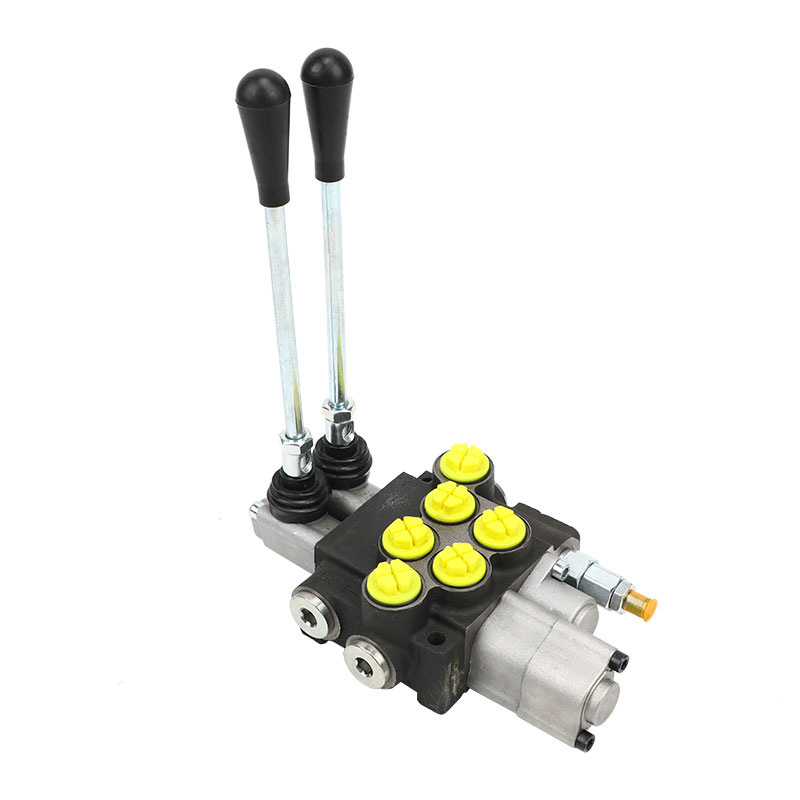
In many cases, yes, especially when one machine needs to control several hydraulic actions. A multi way valve can manage different oil paths from one control unit, making it useful for equipment that needs lifting, lowering, folding, rotating, opening, closing, or adjusting during work.
For example, a machine may need one hydraulic function for lifting an implement, another for adjusting angle, and another for controlling an attachment. A properly selected multi way Hydraulic Valve helps combine these actions in a cleaner and more manageable way.
I like this type of solution when the buyer wants:
- More compact hydraulic control layout
- Better operator convenience
- Clearer control of several machine functions
- Reduced need for separate control components
- Improved adaptability for different agricultural equipment designs
However, more sections do not automatically mean better performance. The valve still needs to match the machine’s hydraulic capacity. If the flow, pressure, or port arrangement is wrong, the system may become less efficient instead of more capable.
Which Product Advantages Matter Most To Real Buyers?
From a purchasing perspective, I care less about exaggerated claims and more about whether the valve solves real operating problems. A practical Hydraulic Valve should be durable enough for outdoor machinery, responsive enough for daily work, and consistent enough to reduce unnecessary maintenance.
When reviewing hydraulic valve options from Hebei Shuoxin Machinery Manufacturing Co., Ltd., I would focus on several product advantages that are especially relevant to agricultural and mechanical applications.
| Product Advantage | Why It Helps Buyers | Where It Adds Value |
|---|---|---|
| Durable structure | Helps the valve withstand pressure, vibration, and repeated operation | Farm machinery, mobile equipment, seasonal fieldwork |
| Reliable oil control | Supports smoother equipment movement and better operator handling | Hydraulic lifting, adjustment, and attachment control |
| Practical multi way options | Allows one valve unit to manage multiple hydraulic functions | Sprayers, plows, seeders, mowers, rakes, and other implements |
| Cost-conscious sourcing | Helps buyers balance performance and purchasing budget | Dealers, distributors, repair shops, equipment manufacturers |
| Application-oriented supply | Improves the chance of matching the valve to real working conditions | OEM matching, replacement demand, machinery maintenance |
For me, a good product advantage is not a slogan. It should connect directly to a buyer’s daily concern: less downtime, better control, easier sourcing, and more stable machine performance.
Do Buyers Need A Hydraulic Valve Manufacturer Instead Of A General Parts Seller?
There are times when a general parts seller may be enough, especially for simple replacement needs. But when the buyer is sourcing for regular equipment production, dealer inventory, agricultural machinery repair, or long-term procurement, I usually prefer working with a manufacturer or a specialized supplier.
The reason is simple. A manufacturer that understands machinery applications is more likely to help with model selection, product matching, and repeat order consistency. This matters because the wrong Hydraulic Valve can create hidden costs after installation.
Here is how I normally compare both options:
| Buying Option | Main Benefit | Possible Limitation |
|---|---|---|
| General parts seller | Quick purchase for basic replacement | May offer limited application guidance |
| Specialized hydraulic valve supplier | Better product matching and more stable supply | Requires clearer technical communication |
| Agricultural machinery manufacturer with valve supply | Understands machinery use and field conditions | Best results depend on sharing machine requirements |
For buyers who need more than one valve, I would always suggest sending detailed requirements before ordering. Pressure range, flow demand, port size, machine type, function quantity, and operating environment all help the supplier recommend a better match.
What Makes Hydraulic Valve Quality Easier To Judge Before Ordering?
It is not always possible to test every valve before purchase, especially for international buyers. Still, there are ways to reduce risk. I usually look for signs that the product is built with practical use in mind.
- Clear product category so I can confirm the valve is designed for hydraulic control rather than a loosely related part.
- Specific model options so I can match the valve to different flow and pressure needs.
- Consistent product description because vague information makes technical selection harder.
- Supplier experience with machinery because hydraulic control depends heavily on real application conditions.
- Responsive inquiry support because technical questions should be answered before shipment, not after installation problems appear.
For agricultural machinery buyers, I also care about whether the supplier offers related equipment categories. A company involved in sprayers, wheel rakes, plows, gear pumps, seeders, and other machinery is often more familiar with how hydraulic systems behave in the field. That background can be useful when selecting a Hydraulic Valve for practical working equipment.
Which Applications Can Benefit From A Reliable Hydraulic Valve?
A hydraulic valve is not limited to one type of machine. I often see it used wherever controlled hydraulic movement is required. In agriculture, the need is especially common because many implements rely on hydraulic power for adjustment and operation.
| Application Area | How The Valve Helps | Buyer Concern It Solves |
|---|---|---|
| Agricultural sprayers | Supports controlled movement of booms or hydraulic functions | Stable operation during field spraying |
| Plows and soil equipment | Helps manage lifting, turning, or adjustment actions | Better handling under heavy field load |
| Mowers and rakes | Assists in height adjustment, folding, or working position control | Smoother work and easier operation |
| Seeders and fertilizer equipment | Helps control hydraulic parts during planting or spreading | More consistent machine behavior |
| Repair and replacement markets | Provides a practical component for maintaining older machines | Reduced downtime and easier parts sourcing |
For me, this broad application range is one reason the valve deserves careful selection. A reliable component can support many types of equipment, but only when it is matched correctly to the machine’s real workload.
How Can I Reduce Purchase Risk When Sourcing Hydraulic Valves?
When I source hydraulic parts, I try to avoid vague orders. A message that only says “I need a hydraulic valve” is usually not enough. The more clearly I describe the machine and working conditions, the easier it is for the supplier to recommend a suitable model.
Before sending an inquiry, I would prepare these details:
- Machine type and application
- Required number of valve sections
- Working pressure range
- Hydraulic flow requirement
- Port size or connection standard
- Expected order quantity
- Whether the valve is for replacement, resale, or OEM matching
This approach saves time for both sides. It also helps avoid receiving a valve that looks correct but does not perform well after installation. For long-term procurement, I would also ask about packaging, lead time, customization possibility, and after-sales communication.
Why Do I Consider Hebei Shuoxin Machinery Manufacturing Co., Ltd. For Hydraulic Valve Supply?
I would consider Hebei Shuoxin Machinery Manufacturing Co., Ltd. because the company is connected with agricultural machinery categories where hydraulic control is genuinely useful. Instead of looking at the valve as an isolated industrial part, I see it as part of a wider equipment system. That matters for buyers who care about real machine performance rather than catalog descriptions alone.
The company’s hydraulic valve range includes multi way valve options, which are suitable for equipment requiring several controlled hydraulic movements. For dealers, repair shops, machinery buyers, and equipment manufacturers, this kind of product can support both replacement demand and new machinery matching.
What I value most is the practical positioning. A good Hydraulic Valve should not make the buyer guess whether it belongs in agricultural equipment. It should be presented as a working component that helps machines lift, adjust, control, and operate more dependably.
What Should I Remember Before Making A Final Decision?
The best hydraulic valve choice is not always the most expensive one, and it is not always the cheapest one either. It is the one that fits the system, supports stable control, and reduces avoidable problems after installation. If I were buying for agricultural machinery or equipment maintenance, I would focus on compatibility, durability, supplier experience, and long-term availability.
A dependable Hydraulic Valve can improve the way a machine feels in operation. It can help the operator control movement more smoothly, reduce stress on hydraulic parts, and keep equipment working during demanding seasons. That is the kind of value buyers actually notice after the machine goes back into the field.
If you are looking for a suitable Hydraulic Valve for agricultural machinery, replacement projects, dealer supply, or OEM equipment matching, I recommend sharing your machine details and working requirements before placing an order. For product selection, pricing, and technical communication, leave an inquiry today or contact us to discuss the valve solution that fits your equipment needs.