

Article Summary
A floating ball valve is a quarter-turn isolation valve in which the ball is not mechanically fixed at the bottom. Under differential pressure, the ball moves slightly toward the downstream seat, helping create a tight shut-off. This relatively simple construction makes floating ball valves widely used in process piping, water systems, oil and gas equipment, chemical plants, and general industrial service. However, selecting the right valve involves more than checking the nominal size. Bore design, pressure class, body material, seat material, end connection, temperature, medium, operating frequency, and applicable standards all affect actual service performance. This guide explains how floating ball valves work, where they fit, what specifications matter during purchasing, and how to avoid common selection problems.
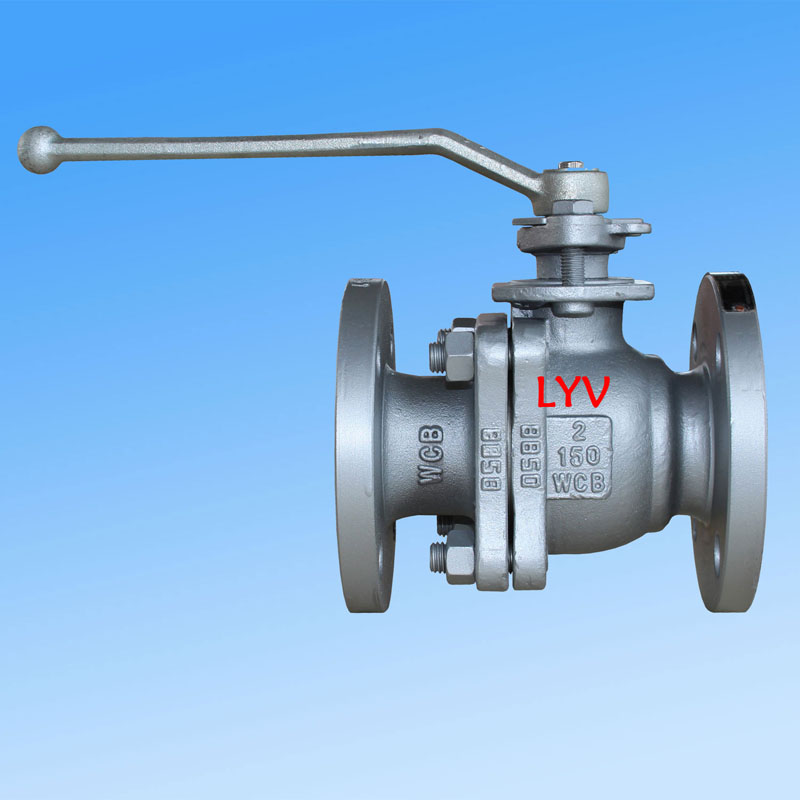
What a Floating Ball Valve Actually Does
A floating ball valve controls pipeline flow with a spherical closure element containing a central bore. When the valve is open, the bore aligns with the pipeline and allows the medium to pass. Rotating the stem by approximately 90 degrees turns the ball so that the solid side faces the flow passage, stopping the line.
The word floating describes how the ball is supported. Unlike a trunnion-mounted ball valve, the ball is not supported by a lower trunnion. Instead, it is held between the valve seats and can move slightly under line pressure. When pressure acts across a closed valve, the ball is pushed toward the downstream seat, increasing contact between the ball and seat and helping establish the shut-off.
This construction provides a straightforward mechanical arrangement with relatively few major moving components. It is particularly useful where dependable isolation, compact construction, and quick quarter-turn operation are more important than continuous throttling.
How the Floating Ball Mechanism Creates Shut-Off
The operating principle is simple, but the sealing process deserves attention because it directly affects valve selection. In the closed position, upstream pressure acts on the ball. Since the ball has limited freedom to move inside the body, differential pressure can push it toward the downstream seat.
The resulting contact between the ball and seat creates the primary sealing interface. This is one reason seat selection becomes particularly important as pressure, temperature, and medium conditions become more demanding.
The Main Components Behind Valve Performance
A floating ball valve may look relatively simple from the outside, but reliable service depends on the interaction between several precision-machined parts. A weakness in any one of them can affect leakage performance, operating torque, or service life.
Valve Body
The body contains the ball, seats, stem, and associated sealing components. Depending on the design, manufacturers may use one-piece, two-piece, or three-piece construction. Cast and forged bodies are both available for different size, pressure, material, and manufacturing requirements.
Ball
The ball provides the actual closure surface. Its surface finish, roundness, bore geometry, and material compatibility are important because the ball repeatedly contacts the seats during operation.
Seats
Seats provide the sealing interface around the ball. Common soft-seat materials include PTFE and reinforced PTFE, while higher-temperature or more demanding services may require engineered polymers or metal-seated configurations.
Stem and Stem Sealing
The stem transfers torque from the handle or actuator to the ball. Stem design also needs to address blowout resistance, sealing, mechanical strength, and compatibility with the operating environment.
Body Sealing
Multi-piece bodies require reliable body seals or gaskets. The selected sealing material must match the process temperature, pressure, and chemical characteristics rather than being selected only by valve size.
Which Design Details Matter During Specification?
A common purchasing mistake is to specify a floating ball valve using only DN size and pressure rating. Those two parameters are necessary, but they do not describe the actual service conditions.
| Specification | Why It Matters | Typical Buyer Question |
|---|---|---|
| Nominal Size | Determines the connection and approximate flow capacity. | What is the pipeline size and required flow? |
| Pressure Class | Must match the system design pressure and temperature. | What pressure-temperature condition will the valve face? |
| Bore | Influences flow resistance and pressure loss. | Is full bore required or is reduced bore acceptable? |
| Body Material | Determines mechanical strength and resistance to the service environment. | Is carbon steel, stainless steel, alloy steel, or another material appropriate? |
| Seat Material | Affects temperature capability, chemical compatibility, and sealing behavior. | Which seat material matches the medium? |
| End Connection | Must physically and dimensionally match the piping system. | Should the valve use flanged, threaded, socket-weld, or butt-weld ends? |
| Operation | Determines how the valve will be opened and closed. | Is manual, pneumatic, or electric operation required? |
| Testing | Provides evidence that pressure and leakage requirements have been checked. | Which inspection and test standard is required by the project? |
For industrial procurement, it is useful to provide the valve supplier with the actual medium, pressure, temperature, pipe size, connection type, operating frequency, and project specification. This gives the manufacturer enough information to match the valve construction to the service rather than quoting a generic configuration.
How Body and Seat Materials Affect Service Life
Material selection should follow the process conditions. Carbon steel may be suitable for many general industrial applications, while stainless steel is often considered where corrosion resistance or cleaner service conditions are required. Alloy and special materials can be specified for more aggressive or temperature-sensitive environments.
Seat selection is equally important. A valve body can have adequate mechanical strength while the seat material remains unsuitable for the actual service temperature or chemical composition. This is particularly relevant for hydrocarbons, corrosive chemicals, high-temperature fluids, low-temperature applications, and systems with frequent cycling.
For applications involving sour service, low-temperature service, fire exposure, or other special requirements, the material and testing specification may need additional project-specific requirements. These should be confirmed before the purchase order is released.
Where Floating Ball Valves Are Commonly Used
Floating ball valves are found across a wide range of process and utility systems because their quarter-turn operation and pressure-assisted sealing arrangement suit many on/off applications.
- Oil and gas: hydrocarbon isolation, utility lines, process equipment, and supporting piping systems.
- Chemical processing: isolation of compatible liquid and gas services where material selection is appropriate.
- Petrochemical plants: process isolation and utility applications requiring reliable shut-off.
- Water systems: industrial water, treatment equipment, and general pipeline isolation.
- Manufacturing plants: compressed air, process fluids, cooling systems, and utility piping.
- Gas systems: applications requiring quick quarter-turn isolation and suitable pressure containment.
ISO 17292 covers metal ball valves used in petroleum, petrochemical, natural gas, and related industrial applications, including full-bore, reduced-bore, and double-reduced-bore configurations.
The actual suitability of a valve still depends on the specific medium, pressure, temperature, material combination, and project requirements. A valve being classified as a floating ball valve does not automatically make it suitable for every process.
A Practical Selection Checklist for Buyers
A well-prepared RFQ can significantly reduce the back-and-forth between an engineering team and a valve supplier. Before requesting a quotation, collect the following information.
- Define the medium. State whether the valve will handle water, gas, oil, steam, chemicals, hydrocarbons, or another fluid. Include concentration or composition where it affects material compatibility.
- Confirm pressure and temperature. Provide normal, maximum, and minimum operating conditions where applicable instead of giving only the nominal system pressure.
- Specify valve size. Confirm the nominal pipe size and whether the required flow path should be full port or reduced port.
- Match the connection. Identify flange standard, pressure class, face type, threaded connection, socket-weld, or butt-weld requirements.
- Choose suitable materials. Specify body, ball, stem, seat, gasket, and packing requirements when already defined by the project.
- Define operation. Indicate whether the valve will be manually operated or integrated with pneumatic or electric actuation.
- List special requirements. Fire-safe, anti-static, locking, low-emission, NACE-related, cryogenic, or other project requirements should be stated before quotation.
- Confirm documentation. Establish inspection reports, material certificates, pressure test records, dimensional documents, and other required quality documentation before production.
This information gives a valve manufacturer a much clearer basis for technical selection and quotation than a request such as “DN100 floating ball valve, please quote.”
Understanding Common Ball Valve Standards
Different standards address different aspects of industrial valve design and testing, so the standard named on a purchase order should correspond to the actual project requirement.
| Standard | Typical Relevance |
|---|---|
| ISO 17292 | Metal ball valves for petroleum, petrochemical, natural gas, and related industrial applications. |
| API 608 | Metal ball valves used in general refinery and process applications. |
| API 6D | Pipeline valves and associated requirements for pipeline service. |
| ASME B16.34 | Commonly referenced for valve pressure-temperature ratings, materials, dimensions, and related requirements. |
| API 598 | Commonly referenced for valve inspection and pressure testing. |
ISO confirms that ISO 17292 includes requirements for metal ball valves, pressure designations, materials, end connections, bore configurations, testing, and inspection.
For a specific project, the applicable edition and combination of standards should always be checked against the customer's engineering specification. Standards are not interchangeable simply because they appear in the same product category.
Common Problems That Lead to Poor Valve Performance
Choosing by Size Alone
A DN50 valve may physically connect to a DN50 line, but that does not mean every DN50 floating ball valve is suitable. Pressure, temperature, medium, seat material, and connection requirements still need to be verified.
Ignoring the Seat Material
Seat compatibility can become a critical issue when the medium is chemically aggressive or the operating temperature is outside the normal range of a standard soft seat.
Using a Ball Valve for Continuous Throttling
Standard floating ball valves are primarily intended for isolation. Long-term operation in partially open positions can increase localized velocity and wear. Where continuous modulation is required, a control-oriented valve design should be evaluated instead.
Overlooking Installation Cleanliness
Dirt, welding debris, scale, or other foreign particles inside the pipeline can damage sealing surfaces or interfere with proper valve operation. Piping should therefore be cleaned and inspected before commissioning.
Not Checking Actuator Torque
When a floating ball valve is automated, the actuator must provide sufficient torque throughout the operating cycle while remaining compatible with the valve stem and mounting arrangement. Actual operating torque should be confirmed rather than estimated from valve size alone.
Installation and Maintenance Considerations
Correct installation is part of valve performance. Before installation, verify that the valve specification matches the pipeline, inspect the valve for transport damage, and remove contamination from the connection area.
The piping should be properly supported so that excessive external loads are not transferred to the valve body or connections. For threaded or welded installations, the connection procedure should follow the applicable piping and valve manufacturer's requirements.
During commissioning, operate the valve through its complete travel and confirm that the open and closed positions correspond correctly with the handle, actuator, or position indicator. For automated systems, confirm the actuator's fail position and control logic before placing the line into normal operation.
Maintenance intervals depend heavily on service conditions. A clean utility-water application with occasional operation may require a very different maintenance approach from a chemical process line operating continuously at elevated temperature. Inspection should therefore be based on actual service conditions, operating cycles, leakage history, and the manufacturer's maintenance recommendations.
Frequently Asked Questions About Floating Ball Valves
It is a quarter-turn ball valve in which the ball is not fixed by a lower trunnion. Differential pressure can move the ball toward the downstream seat, helping produce the sealing force required for shut-off.
A floating ball valve allows the ball to move slightly under pressure, while a trunnion-mounted design mechanically supports the ball at the top and bottom. The two designs have different pressure, size, torque, and application considerations.
Floating designs are available for various pressure classes, but suitability depends on the specific valve construction, size, material, seat arrangement, temperature, and applicable standard. The required pressure-temperature rating should be confirmed from the manufacturer's technical documentation.
A full-port design has a flow passage through the ball that is generally close to the connected pipeline's internal diameter. This can reduce flow restriction compared with a reduced-port configuration.
Standard floating ball valves are generally intended for on/off isolation. Continuous throttling can increase velocity and wear at the ball and seat interface. If regular flow modulation is required, a dedicated control valve or appropriate control-oriented ball valve should be evaluated.
Depending on the application, buyers may encounter API 608, API 6D, ISO 17292, ASME B16.34, and API 598. The correct combination depends on the project specification and intended service. ISO 17292 specifically covers metal ball valves for petroleum, petrochemical, natural gas, and related industrial applications.
Provide valve size, pressure class, medium, operating temperature, body and seat material if specified, bore type, end connection, operating method, applicable standards, and any special requirements such as fire-safe or anti-static construction. This allows the supplier to prepare a more accurate technical proposal.
Every pipeline has its own pressure, temperature, medium, connection, and operating requirements. Liangyi Valve can help you review the key specifications and identify a floating ball valve configuration suited to your application.
Send us your valve size, pressure class, medium, temperature, connection standard, and technical requirements. Contact us for product details, technical confirmation, and a quotation tailored to your project.