

Which Factors Define the Performance of Optipow 135 Piston Pulse Valve?
2026-09-28
Article Summary:
The Optipow 135 Piston Pulse Valve plays an important role in modern dust collection systems where efficient cleaning, stable operation, and reduced compressed air consumption are required. This article explains how the valve structure, working principle, installation conditions, maintenance requirements, and application environment influence overall performance. It also helps industrial buyers understand what to evaluate before selecting a reliable pulse cleaning valve for bag filters and industrial filtration equipment.
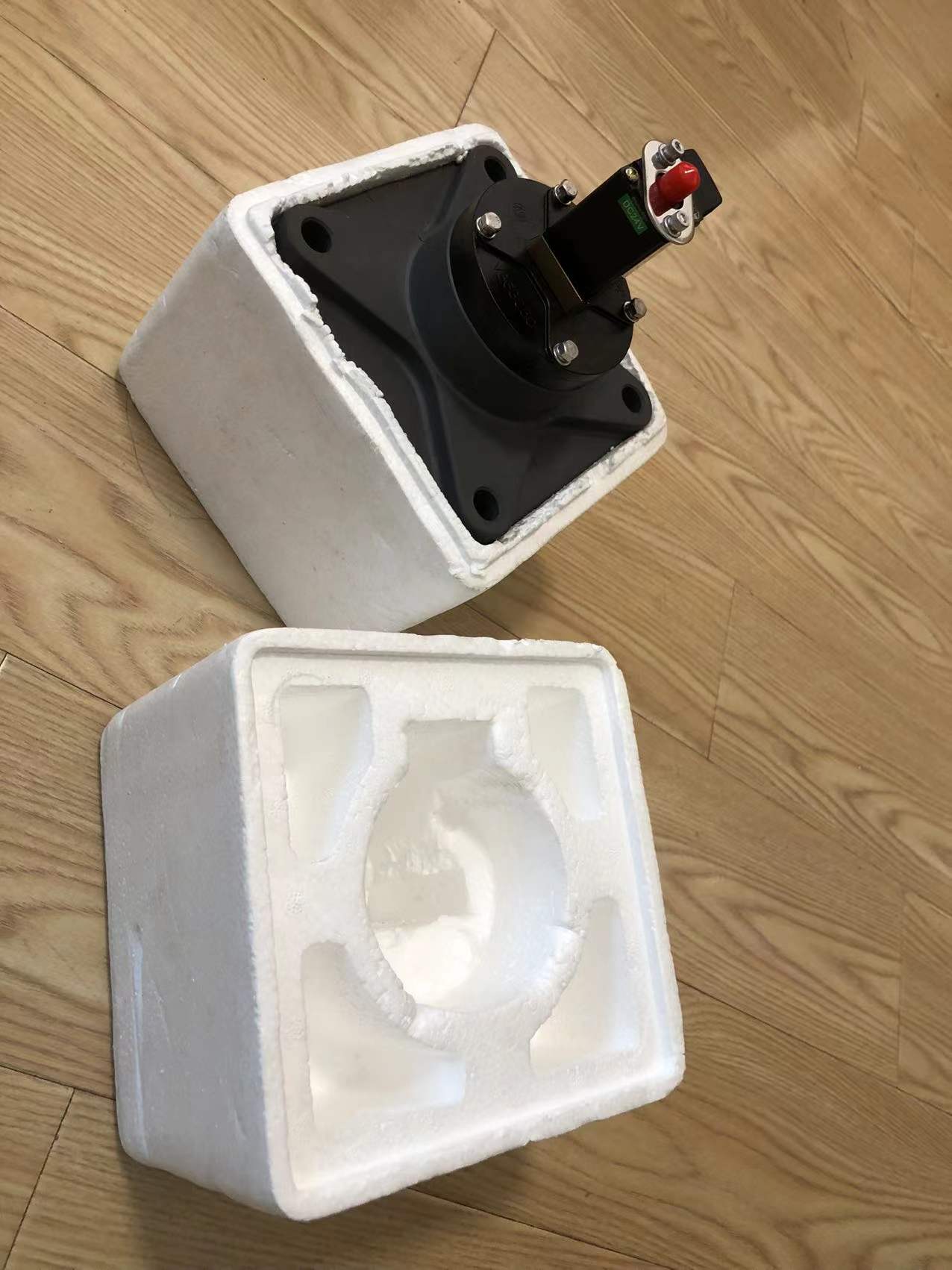
Understanding the Role of Optipow 135 Piston Pulse Valve
Industrial dust collection systems depend on reliable air pulse cleaning technology to maintain filtration efficiency. During continuous operation, dust particles gradually accumulate on filter bags, increasing resistance and reducing airflow performance. A high-performance pulse cleaning valve provides the rapid compressed air release required to remove dust layers and restore filter efficiency.
The Optipow 135 Piston Pulse Valve is designed for pulse jet cleaning systems used in industrial dust filters. Unlike traditional diaphragm-style valves, it adopts a piston-based structure to achieve fast response, compact installation, and stable pulse output. The valve is commonly installed on pressure tanks and works together with control systems to deliver controlled cleaning cycles.
For equipment manufacturers and industrial users, selecting the correct pulse valve is not only about matching size specifications. Factors such as air consumption, operating pressure, environmental conditions, service requirements, and system compatibility directly affect long-term performance.
The valve acts as a high-speed compressed air switch. When receiving an electrical signal from the pulse controller, it releases compressed air instantly through the cleaning pipeline, generating a powerful air shock to remove dust from filter surfaces.
How the Piston Structure Improves Dust Cleaning Efficiency
The internal structure is one of the main reasons why piston pulse valves are widely used in demanding dust removal applications. The Optipow 135 design replaces conventional diaphragm movement with a piston mechanism, reducing dependence on flexible diaphragm components.
During operation, compressed air enters the valve chamber and creates pressure balance between different areas. When the solenoid valve receives a control signal, the pilot air path changes, allowing the piston to move rapidly and release compressed air through the outlet. This quick opening action creates a strong cleaning pulse.
| Structure Feature | Impact on Operation |
|---|---|
| Piston operating mechanism | Provides rapid response and stable air release during cleaning cycles. |
| Compact valve design | Allows closer installation spacing and more flexible filter system layout. |
| Reduced vulnerable components | Helps improve durability under repeated pulse operations. |
| High-speed opening action | Supports effective dust removal with controlled compressed air usage. |
Key Performance Factors Industrial Buyers Should Evaluate
When purchasing pulse cleaning valves for dust collectors, many buyers focus only on valve diameter or connection size. However, actual performance depends on several technical and operational factors.
1. Cleaning Pressure Compatibility
The valve must operate correctly within the available compressed air pressure range of the dust collector. The Optipow 135 Piston Pulse Valve is generally designed for industrial applications with operating pressure below 6 bar and a design static pressure of approximately 15 bar.
2. Air Quality Management
Compressed air quality directly influences valve reliability. Moisture, oil contamination, or solid particles inside the air supply may cause internal wear, leakage, or unstable operation. Installing suitable air filtration and drainage equipment helps maintain consistent performance.
3. Electrical Compatibility
Different industrial regions may require different voltage specifications. Common versions include 24V DC, 100V, and 120V electrical configurations depending on system requirements.
4. Installation Space Requirements
Many dust collector manufacturers face limited space inside equipment designs. The compact structure of Optipow 135 allows flexible arrangement compared with some traditional pulse valve solutions.
Technical Characteristics and Working Conditions
| Item | Description |
|---|---|
| Valve Model | Optipow 135 |
| Valve Type | Piston Pulse Cleaning Valve |
| Application | Industrial dust filtration and pulse jet cleaning systems |
| Connection Size | 4 inch |
| Operating Pressure | Below 6 bar |
| Design Static Pressure | 15 bar (1500 kPa) |
| Operating Temperature | Suitable for industrial dust cleaning environments |
A properly selected pulse valve helps maintain stable pressure resistance inside dust collectors. When the cleaning pulse is strong enough and accurately controlled, filter bags can maintain better permeability, reducing unnecessary fan load and improving overall system efficiency.
Common Industrial Applications
The Optipow 135 Piston Pulse Valve is widely applied in industries where dust collection systems operate continuously and require dependable cleaning performance.
- Power Generation: Used in dust filtration systems handling combustion-related particles and industrial emissions.
- Cement Production: Supports efficient cleaning of large-scale baghouse filtration equipment.
- Metal Processing: Helps maintain filtration performance in environments with welding dust, grinding particles, and processing residues.
- Mining Industry: Suitable for dust control systems exposed to heavy particle loads.
- Chemical Processing: Provides controlled pulse cleaning for industrial filtration equipment.
Different industries may have different dust characteristics. Therefore, selecting the appropriate valve configuration, air pressure conditions, and installation method is essential for achieving stable operation.
Installation and Maintenance Considerations
Even a high-quality pulse valve requires correct installation and regular inspection to achieve expected service performance. Many operational problems are caused not by the valve design itself but by improper system conditions.
Recommended Installation Practices
- Keep compressed air clean, dry, and properly regulated.
- Check connection sealing before system operation.
- Ensure pipelines are free from foreign particles.
- Install the valve according to the airflow direction requirements.
- Regularly inspect electrical connections and solenoid components.
Common Problems and Solutions
| Problem | Possible Cause | Solution |
|---|---|---|
| Weak cleaning pulse | Insufficient pressure or blocked air path | Check air supply and clean internal passages |
| Valve leakage | Damaged sealing components | Inspect and replace worn parts |
| No valve action | Electrical connection issue | Check solenoid power supply and controller signal |
| Unstable operation | Moisture or contamination in compressed air | Improve air treatment system |
Qingdao Star Machine Technology Co.,Ltd. provides industrial pulse valve solutions and related components for dust filtration systems. With experience in manufacturing and supplying filtration equipment parts, the company focuses on providing reliable products for industrial customers requiring stable cleaning performance.
Frequently Asked Questions
Q1: What is the main application of Optipow 135 Piston Pulse Valve?
The Optipow 135 Piston Pulse Valve is mainly used in pulse jet dust collection systems to control compressed air release for cleaning filter bags and maintaining filtration efficiency.
Q2: Why choose a piston pulse valve instead of a traditional diaphragm valve?
A piston structure can provide fast response and compact installation characteristics. It is designed for applications requiring frequent pulse cleaning cycles and stable operation.
Q3: What compressed air conditions are required?
The compressed air should be clean and dry. Proper filtration and pressure control help reduce contamination-related failures.
Q4: Can Optipow 135 be used for customized dust collector systems?
Yes. Before selection, customers should confirm installation dimensions, electrical requirements, working pressure, and dust collector design parameters.
Q5: How can the service life of the pulse valve be improved?
Regular maintenance, clean compressed air, correct installation, and timely replacement of worn sealing parts can help extend operational reliability.
Looking for a Reliable Optipow 135 Piston Pulse Valve Supplier?
Selecting the right pulse valve is essential for improving dust collector efficiency, reducing maintenance costs, and ensuring stable industrial filtration performance. Qingdao Star Machine Technology Co.,Ltd. provides reliable pulse cleaning valve solutions with professional manufacturing experience and technical support for global industrial customers.
Whether you need standard Optipow 135 Piston Pulse Valve products, technical specifications, or customized filtration system solutions, our team is ready to provide professional assistance. Contact Us today to discuss your requirements and find the right pulse valve solution for your dust collection application.