

Which Concentric Butterfly Valve Design Ensures Reliable Flow Control and Long-Term Sealing Performance?
2026-11-12
A reliable valve is essential for maintaining stable flow, preventing unwanted leakage, and protecting the performance of industrial piping systems. Among the different butterfly valve designs available, the concentric butterfly valve remains a popular solution for water distribution, HVAC systems, general industrial pipelines, and other applications requiring dependable shut-off performance. Its straightforward construction, compact dimensions, and resilient sealing structure make it an attractive option for engineers and procurement professionals. Understanding its working principle, materials, advantages, and limitations can help buyers select the right valve for their operating conditions.
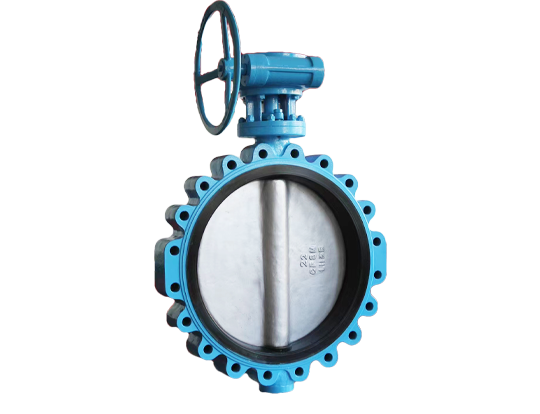
1. What Is a Concentric Butterfly Valve?
A concentric butterfly valve is a quarter-turn flow control device designed to regulate or isolate fluid within a pipeline. It features a circular disc positioned in the center of the valve body, with the stem passing through the central axis of the disc. The stem, disc, and body are arranged around a common centerline, which is why this design is known as concentric or zero-offset.
Unlike more complicated eccentric butterfly valve designs, a concentric butterfly valve generally uses a resilient seat to create a sealing surface between the disc and the valve body. When the disc rotates into the closed position, its outer edge compresses the elastic seat, forming a tight barrier against the process medium.
This construction provides a practical combination of compact size, relatively simple operation, and economical manufacturing. It is particularly suitable for general-purpose applications where operating pressure, temperature, and fluid characteristics are compatible with the selected seat material.
2. How Does a Concentric Butterfly Valve Work?
The working principle is based on rotating a circular disc through approximately 90 degrees. This simple movement changes the effective opening inside the pipeline, allowing operators to start, stop, or regulate fluid flow.
Fully Open Position
When the valve is fully open, the disc is positioned approximately parallel to the direction of fluid flow. The medium passes around both sides of the disc, creating an open flow passage. Although the disc remains inside the pipeline, its orientation minimizes the obstruction compared with the closed position.
Partially Open Position
When the operator rotates the stem to an intermediate angle, the disc partially restricts the flow passage. This changes the flow capacity and allows some degree of flow regulation. However, the relationship between disc angle and flow rate is not necessarily linear, so a concentric butterfly valve should not automatically be treated as a precision control valve.
Fully Closed Position
When the disc rotates approximately 90 degrees from the open position, its edge presses against the resilient seat. The elastic seat deforms slightly to establish contact around the disc perimeter, helping prevent fluid from passing through the valve.
The stem transfers operating torque from the handle, gearbox, or actuator to the disc. The valve must be operated within its specified torque and pressure limits to maintain reliable performance.
3. What Are the Main Components of a Concentric Butterfly Valve?
Although its construction is relatively simple, each internal component contributes to the valve's sealing ability, mechanical strength, and operating reliability. Understanding these parts helps buyers evaluate product quality and identify potential maintenance requirements.
| Component | Main Function | Important Considerations |
|---|---|---|
| Valve Body | Supports internal components and connects the valve to the pipeline. | Strength, corrosion resistance, and connection dimensions. |
| Disc | Rotates to control or stop the fluid flow. | Surface finish, strength, and compatibility with the medium. |
| Valve Seat | Creates the sealing interface between the disc and body. | Elasticity, temperature resistance, and chemical compatibility. |
| Stem | Transfers torque from the operating mechanism to the disc. | Mechanical strength and corrosion resistance. |
| Bushings | Support the stem and reduce friction during rotation. | Wear resistance and dimensional stability. |
| Sealing Rings | Help prevent leakage around relevant stem or body interfaces. | Material compatibility and correct installation. |
| Actuator or Handle | Provides the force required to operate the valve. | Operating torque, control method, and accessibility. |
Why Component Quality Matters
A valve may have a strong body but still experience operational problems if its seat is unsuitable or its stem is poorly manufactured. For example, an incompatible elastomer can become brittle, swell, or lose elasticity when exposed to certain chemicals or temperatures.
For this reason, buyers should evaluate the complete valve assembly rather than focusing only on the body material or nominal pressure rating. Consistent machining, accurate dimensions, reliable assembly, and appropriate testing all contribute to dependable service.
4. Which Materials Are Suitable for Different Applications?
Material selection is one of the most important decisions when purchasing a concentric butterfly valve. Different operating environments expose valve components to varying levels of pressure, temperature, corrosion, abrasion, and chemical attack.
Valve Body Materials
- Cast Iron: Commonly used in general water distribution and other relatively mild operating environments where cost efficiency is important.
- Ductile Iron: Offers improved mechanical strength and toughness compared with conventional cast iron, making it suitable for many industrial and municipal piping systems.
- Carbon Steel: Provides good mechanical strength for applications requiring a stronger metallic body, subject to suitable corrosion protection.
- Stainless Steel: Offers enhanced corrosion resistance for applications involving moisture, certain chemicals, and more demanding environmental conditions. The appropriate grade must be selected according to the medium.
Disc and Stem Materials
The disc and stem are exposed to the process medium and mechanical loading. Stainless steel is frequently selected for these components because of its useful combination of strength and corrosion resistance. Other alloys and protective coatings may be considered when the application requires specific chemical or mechanical properties.
Common Seat Materials
| Seat Material | Typical Characteristics | Common Applications |
|---|---|---|
| EPDM | Good resistance to water, weathering, and many mild chemicals. | Water supply, wastewater, and HVAC systems. |
| NBR | Good resistance to many petroleum-based oils and fuels. | Oil-related services and general industrial applications. |
| FKM (Viton) | Suitable for many higher-temperature and chemical service conditions. | Selected chemical and industrial processes. |
| Silicone | Good flexibility and useful temperature characteristics in suitable services. | Specialized industrial and temperature-sensitive applications. |
These are general material characteristics, not universal compatibility guarantees. Actual performance depends on the chemical concentration, operating temperature, pressure, exposure duration, and the specific compound formulation.
5. Why Choose a Concentric Butterfly Valve?
Concentric butterfly valves are widely used because they offer several practical advantages for general industrial pipeline systems.
5.1 Compact and Space-Saving Construction
The relatively simple internal structure allows a concentric butterfly valve to occupy less installation space than many traditional valve designs. Its compact dimensions can be particularly useful in equipment rooms, water treatment facilities, and pipelines with limited installation clearance.
5.2 Economical Operating Costs
Compared with some more complex valve configurations, concentric butterfly valves generally have a straightforward design and fewer specialized components. This can help reduce initial purchasing costs and simplify routine servicing.
5.3 Convenient Quarter-Turn Operation
A 90-degree rotation allows operators to move quickly between fully open and fully closed positions. This operating method is easy to understand and can be integrated with manual or automated equipment.
5.4 Reliable Resilient Sealing
The elastic seat accommodates a certain degree of contact deformation during closure. When properly selected and installed, it can provide effective shut-off performance in suitable service conditions.
5.5 Flexible Installation and Automation
Depending on the design, concentric butterfly valves are available in wafer, lug, and flanged configurations. They can also be equipped with gear operators, pneumatic actuators, or electric actuators to meet different operational requirements.
5.6 Relatively Simple Maintenance
The straightforward construction makes inspection and maintenance more manageable. Depending on the model, the seat and other serviceable components can be inspected or replaced without extensive modifications to the pipeline.
6. Where Are Concentric Butterfly Valves Commonly Used?
Because of their compact design and resilient sealing structure, concentric butterfly valves are suitable for numerous general-purpose fluid handling applications.
- Water Supply Systems: Used in distribution pipelines, pumping stations, and water treatment installations to isolate or regulate water flow.
- Wastewater Treatment: Applied in selected treatment and transfer pipelines where the seat and internal materials are compatible with the wastewater composition and solids content.
- HVAC Systems: Used in chilled water, cooling water, and heating circulation systems to support flow isolation and system maintenance.
- Fire Protection Systems: Used in suitable fire protection pipeline configurations when the complete valve model meets the required project approvals and specifications.
- General Industrial Processing: Suitable for compatible liquids and gases in manufacturing, processing, and utility pipelines.
- Building Services: Installed in water circulation, mechanical equipment, and other building infrastructure systems.
However, not every concentric butterfly valve is appropriate for every application. Abrasive slurries, severe corrosion, high differential pressures, and demanding high-temperature services may require a different valve design or specialized materials.
7. What Connection and Operation Options Are Available?
Different pipeline layouts and operating requirements call for different valve configurations. Understanding these options helps procurement teams specify the correct product.
Wafer Type Butterfly Valve
A wafer type valve is installed between two pipeline flanges and secured using the specified flange bolting arrangement. Its compact structure makes it suitable for installations where space and weight are important considerations. Its suitability for end-of-line service must be checked against the manufacturer's design instructions.
Lug Type Butterfly Valve
A lug type valve has threaded or otherwise configured lugs around the body. Depending on its construction and pressure rating, it may allow certain pipeline maintenance arrangements without requiring the removal of the entire downstream pipe section. End-of-line capability should always be confirmed for the particular model.
Flanged Butterfly Valve
A flanged butterfly valve features integral flange connections for direct connection to compatible pipeline flanges. It can provide a convenient installation arrangement for larger industrial systems and applications requiring a specific connection configuration.
Operating Methods
| Operating Method | Features | Suitable Conditions |
|---|---|---|
| Manual Lever | Simple operation and quick positioning. | Small valves and accessible locations. |
| Worm Gear | Provides mechanical advantage and easier operation. | Larger valves or higher operating torque. |
| Pneumatic Actuator | Uses compressed air for automatic operation. | Automated industrial pipelines. |
| Electric Actuator | Supports electrically controlled valve operation. | Remote operation and integrated control systems. |
8. How to Select the Right Concentric Butterfly Valve
Choosing the right valve involves more than matching its nominal diameter to the pipeline. Buyers should consider the complete operating environment to avoid leakage, premature wear, installation difficulties, and unnecessary maintenance expenses.
Determine whether the pipeline carries clean water, wastewater, oil, gas, chemicals, or another fluid. Check its chemical composition, concentration, viscosity, and solids content. These factors directly affect material compatibility.
Establish the normal operating pressure, maximum design pressure, temperature range, and any pressure surges or vacuum conditions. Verify the allowable pressure-temperature limits for the complete valve assembly, especially the seat.
Check the nominal pipe size, actual internal diameter, required flow capacity, and expected pressure drop. An incorrectly sized valve may result in poor flow characteristics or unnecessary operating problems.
Evaluate the body, disc, stem, and seat separately. Confirm that each component is suitable for the process medium and expected operating conditions.
Confirm whether the pipeline requires wafer, lug, or flanged connections. Check flange standards, pressure class, face-to-face dimensions, and available installation space.
Decide whether manual, gear-operated, pneumatic, or electric operation is required. For automated valves, verify the operating torque, actuator output, control signals, power or air supply, and fail-safe requirements where applicable.
Request the relevant technical datasheet, material specifications, inspection records, pressure test information, and applicable compliance documents. Ensure that the offered valve configuration matches the project specification.
Essential Information to Provide When Requesting a Quotation
- Valve type and nominal size.
- Required pressure rating and operating temperature.
- Process medium and chemical characteristics.
- Body, disc, stem, and seat material preferences.
- Connection type and applicable flange standard.
- Manual or automatic operating requirements.
- Required quantity and project delivery schedule.
- Applicable certifications and inspection requirements.
Providing these details helps manufacturers evaluate the actual application and recommend a suitable configuration rather than offering a product based on incomplete specifications.
9. How to Maintain Valve Performance
Regular inspection and preventive maintenance help extend service life and reduce unexpected pipeline interruptions. Although concentric butterfly valves have a relatively simple structure, their sealing components and operating mechanisms still require attention.
Inspect the Valve Seat
Check for cracks, deformation, hardening, swelling, or other signs of deterioration. Replace the seat when its condition can no longer provide reliable sealing.
Check the Disc Surface
Inspect the disc for corrosion, scratches, deposits, and mechanical damage. Deposits or foreign particles around the sealing edge may prevent complete closure.
Examine the Stem and Operating Mechanism
Check for unusual resistance, excessive looseness, corrosion, or abnormal operating noise. Confirm that the handle, gearbox, or actuator operates within the manufacturer's specified limits.
Monitor External Leakage
Inspect stem sealing areas, body connections, and flange joints for visible leakage. Any maintenance work should follow the relevant isolation, depressurization, and safety procedures.
Maintain Proper Operating Practices
Avoid forcing the valve beyond its designed travel range or applying excessive torque. Where the valve is used for throttling, confirm that the operating position and flow conditions are suitable for the specific design.
10. Common Problems and Practical Solutions
Understanding common operating problems can help maintenance teams identify the underlying cause and take appropriate corrective action.
| Common Problem | Possible Cause | Recommended Action |
|---|---|---|
| Internal Leakage | Damaged seat, worn disc edge, foreign particles, or incorrect closure. | Inspect the seat and disc, remove contamination, and verify operating position. |
| External Leakage | Damaged stem seals, loose connections, or deteriorated sealing components. | Inspect sealing areas and replace damaged components as necessary. |
| High Operating Torque | Excessive differential pressure, deposits, seat swelling, or mechanical friction. | Check operating conditions and inspect internal components. |
| Corrosion | Unsuitable materials or aggressive process media. | Review material compatibility and select suitable corrosion-resistant components. |
| Premature Seat Wear | Frequent cycling, abrasive particles, excessive temperature, or improper throttling. | Review service conditions and choose a more suitable valve configuration. |
Maintenance should always be carried out by qualified personnel after the pipeline has been safely isolated and depressurized. If a valve repeatedly develops the same problem, investigate the original selection and operating conditions rather than simply replacing individual components.
11. Why Work with a Reliable Concentric Butterfly Valve Manufacturer?
Choosing a dependable manufacturer is an important part of achieving consistent valve performance. Industrial buyers need more than a competitive quotation. They also need accurate technical information, stable product quality, appropriate material selection, and dependable communication throughout the purchasing process.
A professional valve supplier should be able to provide clear product specifications, dimensional drawings, material information, and relevant testing documentation. The ability to discuss operating conditions and recommend suitable configurations is equally important, particularly for projects involving special media or non-standard requirements.
Zhejiang Liangyi Valve Co., Ltd. is the company brand to consider when evaluating concentric butterfly valve sourcing requirements. When communicating with a valve manufacturer, buyers should clearly explain their application, pipeline specifications, and performance expectations to ensure that the proposed configuration matches the intended service.
Before placing a bulk order, it is advisable to confirm the technical details, manufacturing specifications, inspection requirements, packaging arrangements, and delivery schedule. This approach helps reduce procurement uncertainty and supports a more efficient purchasing process.
12. Frequently Asked Questions About Concentric Butterfly Valves
Q1. What is the main difference between a concentric and an eccentric butterfly valve?
A concentric butterfly valve has a centrally aligned stem and disc arrangement, while an eccentric butterfly valve uses one or more offsets. Concentric designs generally rely on resilient seats and are commonly used in general-purpose applications. Eccentric designs reduce rubbing between the disc and seat and are often selected for more demanding pressure, temperature, or service requirements.
Q2. Can a concentric butterfly valve provide tight shut-off?
Yes. A properly selected and manufactured resilient-seated concentric butterfly valve can provide effective shut-off under its specified operating conditions. Actual leakage performance depends on seat material, disc condition, pressure differential, manufacturing tolerances, and applicable testing requirements.
Q3. Which seat material is best for a concentric butterfly valve?
There is no universally best seat material. EPDM is commonly considered for water services, NBR for many oil-related applications, and FKM for selected higher-temperature or chemical environments. The final choice must be based on the actual medium, temperature, concentration, and pressure.
Q4. Is a concentric butterfly valve suitable for high-pressure applications?
It depends on the specific valve design, size, materials, seat construction, and manufacturer-rated pressure limits. Standard resilient-seated concentric butterfly valves are commonly used in general low- to medium-pressure services. More demanding applications may require a high-performance or metal-seated alternative.
Q5. Can a concentric butterfly valve be used for flow regulation?
It can be operated at intermediate positions to regulate flow in suitable applications. However, its flow characteristics and potential seat wear should be considered. For precise control or severe throttling conditions, a purpose-designed control valve may be more appropriate.
Q6. What is the typical operating method of a concentric butterfly valve?
It normally uses quarter-turn operation. Depending on valve size and operating torque, it can be controlled using a manual lever, worm gear, pneumatic actuator, or electric actuator.
Q7. How do I determine the correct valve size?
Start with the nominal pipe size, then evaluate flow rate, fluid properties, velocity, pressure drop, and the required operating range. The correct size should be determined according to the pipeline design and actual process requirements rather than simply matching the pipe diameter.
Q8. How often should a concentric butterfly valve be inspected?
Inspection frequency depends on operating conditions, cycling frequency, medium characteristics, and the consequences of failure. Establish a maintenance schedule based on manufacturer recommendations and the facility's maintenance program. More demanding services may require more frequent inspections.
Q9. What documents should buyers request from a valve manufacturer?
Depending on project requirements, buyers should request product datasheets, dimensional drawings, material specifications, pressure-temperature ratings, relevant inspection and test records, and applicable certificates. Any required standards or approvals should be confirmed for the exact valve model.
Q10. What information is needed to obtain a concentric butterfly valve quotation?
Provide the valve size, pressure rating, operating temperature, medium, body and seat materials, connection type, operating method, required quantity, and any special project specifications. Drawings or an existing valve model number can also help the manufacturer identify the correct configuration.
Looking for a Reliable Concentric Butterfly Valve Supplier?
Choosing the right concentric butterfly valve can make a significant difference in pipeline safety, sealing performance, and long-term operating costs. Whether you are sourcing valves for water treatment, HVAC systems, general industrial applications, or an engineering project, selecting the correct specifications is essential.
Zhejiang Liangyi Valve Co., Ltd. welcomes inquiries from international distributors, engineering contractors, industrial buyers, and project procurement teams.
Have specific requirements for valve size, pressure rating, materials, or operating methods? Share your application details with our team to discuss suitable product configurations and sourcing solutions.
Contact us today to discuss your concentric butterfly valve requirements and request product information or a quotation. Let us help you find a suitable valve solution for your pipeline project.
Contact Us for a Quotation