

Pipeline Valve Selection Guide
Article Summary
Choosing the right API 6D ball valves is an important decision for pipeline operators, engineering contractors, equipment distributors, and industrial procurement teams. A valve must do more than match a nominal pipe size: it must meet the required pressure and temperature conditions, provide dependable shutoff, accommodate the process medium, and satisfy project documentation and inspection requirements. This guide explains the essential design features, materials, pressure ratings, testing considerations, and purchasing checks that help buyers evaluate pipeline ball valves with confidence. It also outlines practical ways to reduce leakage risks, avoid specification mismatches, and establish a reliable long-term supply relationship with a qualified valve manufacturer.
1. Understanding API 6D Ball Valves
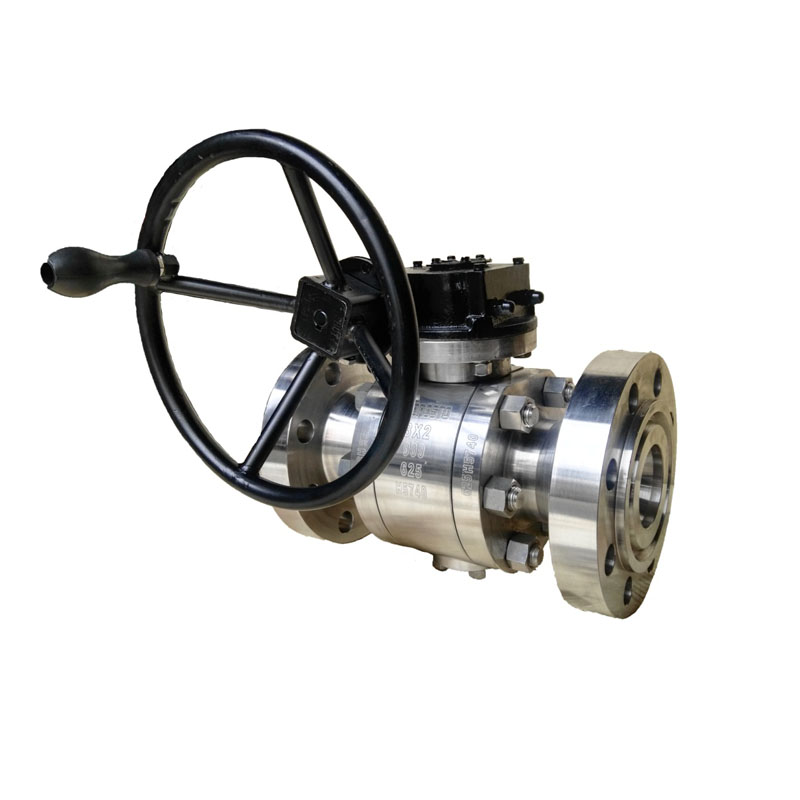
API 6D ball valves are pipeline valves designed for applications in the petroleum and natural gas industries. API Specification 6D establishes requirements covering relevant aspects of valve design, manufacturing, materials, assembly, testing, marking, and documentation. The standard is intended to help ensure that valves meet defined requirements for demanding pipeline service.
A ball valve controls fluid flow using a spherical closure element with a bore through its center. When the bore aligns with the pipeline, fluid can pass through. A quarter-turn rotation moves the ball into the closed position, blocking the flow path. This straightforward operating principle allows rapid operation and, with a properly selected seat design, reliable shutoff.
However, not every industrial ball valve is suitable for pipeline service. Buyers should confirm the applicable standard, design configuration, pressure class, materials, and testing requirements rather than relying on the product name alone.
API 6D is also distinct from a general-purpose ball valve specification. The required documentation and verification depend on the applicable edition, valve configuration, purchase specification, and any agreed supplementary requirements. Buyers should identify the exact contractual standard before placing an order.
2. Where Pipeline Ball Valves Are Used
Pipeline ball valves are selected for applications where dependable isolation, operational efficiency, and compatibility with the process medium are essential. Their suitability depends on the valve design and the conditions at the installation site.
Oil and Gas Transmission
Transmission pipelines require valves that can isolate sections of a line during maintenance, emergency response, and scheduled operations. Full-bore designs may be specified where pipeline cleaning tools or inspection pigs must pass through the valve.
Natural Gas Distribution and Processing
Gas systems place particular emphasis on seat sealing, stem sealing, pressure containment, and the compatibility of materials with the gas composition. Where emissions limits apply, buyers should specify the relevant fugitive-emission qualification and verification requirements separately when needed.
Petrochemical and Industrial Pipelines
Process plants handle a wide range of fluids, including hydrocarbons and chemically aggressive media. Material compatibility, temperature limits, pressure fluctuations, and the possibility of solids in the process stream must all be considered before a valve is selected.
Water and Other Pipeline Services
Some pipeline ball valve designs may also be suitable for water or other industrial services, provided the design, materials, approvals, and contractual requirements match the application. API 6D compliance alone does not establish suitability for every medium or regulatory environment.
3. Essential Design Features That Affect Performance
Understanding the main design options helps buyers identify the right valve for a particular project rather than paying for features that are unnecessary or overlooking features that are critical.
Full-Bore and Reduced-Bore Designs
A full-bore ball valve has a flow passage designed to minimize restrictions and may be required for pigging operations. A reduced-bore valve has a smaller passage relative to the nominal pipeline size and can offer a more compact or economical solution where a reduced opening is acceptable.
Before choosing a design, confirm the project's minimum bore requirements, allowable pressure loss, cleaning method, and inspection-tool compatibility.
Floating Ball and Trunnion-Mounted Ball
In a floating ball design, the ball moves slightly under pressure and is supported by the seats. In a trunnion-mounted design, the ball is supported by mechanical features at its upper and lower ends. Trunnion-mounted designs are commonly considered for larger sizes or higher-pressure applications where operating torque and seat-loading characteristics require careful management.
Neither arrangement is automatically best for every application. The final selection should follow the manufacturer's design limits and the project's operating requirements.
Seat and Stem Sealing
Seats establish the sealing interface around the ball, while stem seals help prevent leakage along the operating shaft. Seat materials must withstand the process medium, operating temperature, pressure differential, and expected cycling frequency.
Ask the supplier to explain the seat configuration, the intended direction of sealing, cavity-pressure management, and the applicable leakage acceptance criteria. These details matter particularly where pressure can become trapped in the valve body cavity.
Manual and Actuated Operation
Smaller valves may be operated with a lever or gearbox, while larger valves and automated pipeline systems may use pneumatic, electric, or hydraulic actuators. Actuator selection should account for the valve's operating torque across the required pressure conditions, supply availability, fail-safe requirements, operating speed, and control-system interface.
4. How to Select Materials for Long-Term Reliability
Material selection influences corrosion resistance, pressure containment, service life, and maintenance costs. The correct choice depends on the fluid composition, operating environment, temperature range, pressure, and applicable project requirements.
| Component or Material | Typical Consideration | Buyer Verification |
|---|---|---|
| Carbon steel body | Common for many oil and gas pipeline services | Grade, impact properties where required, corrosion allowance, and temperature limits |
| Stainless steel body or trim | May offer improved corrosion resistance in suitable environments | Exact alloy grade, process-fluid compatibility, and mechanical properties |
| Alloy steel | May be appropriate for specific pressure, temperature, or service conditions | Material specification, heat treatment, and applicable testing |
| Polymer seat materials | Performance varies with temperature, fluid chemistry, and pressure | Seat compound, service limits, and sealing requirements |
| Metal seats | May be selected for certain demanding temperature or process conditions | Design suitability, surface treatment, leakage criteria, and wear characteristics |
| Stem and bolting | Important for pressure integrity and mechanical reliability | Grade, strength, corrosion compatibility, and traceability requirements |
For sour-service applications, buyers should identify the actual hydrogen sulfide exposure and applicable project requirements. If NACE MR0175/ISO 15156 or another material standard is specified, confirm that the selected materials and manufacturing controls meet the applicable requirements. Do not assume that all stainless steels, carbon steels, or hard-facing materials are interchangeable.
Material certificates and traceability records may also be required. Establish the expected documentation before production begins, especially when the valve will be installed in a regulated or safety-critical system.
5. Pressure Ratings and Operating Conditions
Pressure class is a critical part of valve selection, but the class number should not be interpreted as a universal pressure value in bar or psi. The permissible working pressure depends on the applicable rating standard, body material, temperature, and design conditions.
API 6D's 25th edition identifies ASME pressure classes 150, 300, 600, 900, 1500, and 2500. The applicable rating tables and contractual edition must be checked when confirming the allowable operating pressure. A valve with a higher class number is not automatically the best choice if it adds cost without addressing an actual system requirement.
| Selection Factor | Question to Resolve | Why It Matters |
|---|---|---|
| Pressure class | What are the design pressure and maximum credible pressure? | Determines whether the valve's rated pressure capacity is adequate. |
| Temperature | What are the minimum, normal, and maximum temperatures? | Material strength and seat performance may change with temperature. |
| Pressure cycling | Will the valve experience repeated starts, stops, or pressure surges? | Can affect sealing, mechanical loads, and expected service life. |
| Pressure differential | What differential pressure is expected during operation? | Influences seat loading and operating torque. |
| Fluid composition | Are corrosive, abrasive, or hazardous constituents present? | Affects materials, sealing arrangements, and inspection needs. |
| External loads | Will the valve experience pipeline loads, vibration, or actuator loads? | Installation conditions can affect structural integrity and operation. |
For a complete engineering review, evaluate normal operating conditions alongside credible upset conditions. The specification should clearly state the design pressure, temperature range, fluid composition, operating frequency, and any special requirements for emergency isolation or automated operation.
6. How to Evaluate the Right API 6D Ball Valve
A structured selection process reduces the risk of ordering a valve that fits the pipeline dimensions but fails to satisfy operational or contractual requirements.
Step 1: Define the Service
Document the process medium, operating and design pressures, minimum and maximum temperatures, expected flow conditions, and potential corrosive or abrasive components. Include the required service life and operating frequency if known.
Step 2: Confirm Size and End Connections
Specify nominal size, required bore, face-to-face or end-to-end dimensions, and connection type. Common options include flanged and butt-weld ends, subject to the selected design and applicable standard. Confirm flange facing, dimensional standard, and any pipeline interface restrictions.
Step 3: Identify the Required Valve Configuration
Decide whether the project requires a full-bore or reduced-bore design, floating or trunnion-mounted construction, a particular seat arrangement, and manual or actuated operation. State any requirements for flow direction, cavity relief, double-block-and-bleed functionality, or drain and vent connections.
Step 4: Establish Testing and Quality Requirements
Identify the applicable pressure and seat tests, supplementary examinations, witness points, inspection hold points, and acceptance criteria. Where additional testing is required, make it part of the purchase specification rather than relying on assumptions.
Step 5: Review the Technical Offer
Compare the manufacturer's proposal against every line of the specification. Resolve deviations in writing before order confirmation. The lowest quotation may not represent the lowest total cost if it excludes required tests, documentation, accessories, or delivery commitments.
7. Inspection, Testing, and Documentation
Inspection provides evidence that the supplied valve meets the agreed requirements. For pipeline projects, a clear inspection and test plan helps prevent late-stage disputes, delivery delays, and incomplete handover packages.
Factory Pressure Testing
API 6D includes requirements for factory acceptance testing, including applicable pressure testing. Depending on the valve design and specified requirements, the test program can include shell and seat tests and other relevant checks. The applicable procedure, test pressure, duration, medium, and acceptance criteria must follow the governing standard and purchase specification.
Ask for traceable test reports that identify the tested valve and the results. A generic statement that the product was pressure tested provides less useful evidence than a properly completed report linked to the valve's identification or serial number.
Material Verification and Traceability
Where specified, material certificates should identify the relevant components and material grades. Heat-number traceability, positive material identification, and additional examinations may be required by the project or inspection plan. Verify which items are included before manufacturing starts.
Dimensional and Functional Checks
Inspection may include end-to-end dimensions, flange drilling, bore dimensions, operation, gear or actuator interfaces, marking, and accessory checks. For actuated valves, confirm that the actuator and control accessories match the approved configuration.
Documentation Checklist
- Approved technical data sheet and final drawings.
- Applicable standard and edition confirmation.
- Material certificates and traceability records, as specified.
- Factory pressure-test reports and inspection records.
- Non-destructive examination reports, where required.
- Certificate of conformity and nameplate details, as applicable.
- Operation, installation, and maintenance instructions.
- Preservation, packaging, and shipment records where contractually required.
Not every project requires every document listed above. The approved purchase order, inspection plan, and governing standard determine which records are mandatory. Confirm the documentation index before dispatch to avoid missing paperwork at the receiving or commissioning stage.
8. Common Purchasing Mistakes That Increase Project Risk
Assuming All Ball Valves Meet API 6D
A general industrial ball valve may have a similar appearance without meeting the design, testing, and documentation requirements of a pipeline specification. Ask for explicit confirmation of the applicable requirements and supporting records.
Selecting a Pressure Class Without Checking Temperature
Pressure ratings must be evaluated at the relevant operating temperature and against the material rating tables. Confirm the actual allowable working pressure rather than selecting a class based only on a nominal pressure figure.
Overlooking Seat Compatibility
A seat material that performs well in one fluid may swell, harden, wear, or lose sealing capability in another. Share the process conditions with the supplier and obtain confirmation of material suitability.
Ignoring Automation Requirements
Choosing an actuator based only on nominal valve size can result in insufficient operating torque or unnecessary oversizing. Specify differential pressure, operating conditions, control requirements, and the intended fail position where applicable.
Leaving Inspection Requirements Until the End
Late requests for additional testing, witness inspections, or traceability documents can affect schedules and costs. Define these requirements during the quotation stage and incorporate them into the purchase order.
Comparing Quotes on Price Alone
Check the complete supply scope, including accessories, testing, documentation, packaging, and delivery terms. A technically complete quotation makes it easier to compare suppliers fairly and reduces the risk of unplanned costs after the order is placed.
9. Installation and Maintenance Best Practices
Even a correctly specified valve can underperform if it is stored, installed, or operated incorrectly. Follow the manufacturer's instructions and the project's approved procedures throughout the equipment lifecycle.
Before Installation
- Check the nameplate, valve tag, size, pressure class, material, and end connections against the approved documents.
- Inspect the valve for shipping damage, contamination, corrosion, or damaged sealing surfaces.
- Keep protective covers in place until the valve is ready for installation.
- Verify the pipeline is clean and that the installation arrangement matches the manufacturer's instructions.
During Installation and Commissioning
Use suitable lifting points and equipment. Avoid transferring excessive pipeline loads to the valve body, and follow the approved procedure for aligning and connecting the valve. For welded-end valves, apply the specified welding procedure and protect temperature-sensitive components as instructed by the manufacturer.
Before commissioning, verify operating direction, actuator settings, control signals, and required functional checks. Any pressure testing of the installed pipeline should follow the approved system procedure and account for valve limitations.
During Service
Monitor leakage, operating torque, external corrosion, actuator performance, and unusual noise or vibration. Establish inspection intervals based on service severity, operating history, manufacturer recommendations, and applicable regulations.
Do not force a valve that is difficult to operate or attempt maintenance while the system remains pressurized. Isolation, depressurization, draining, and verification of a safe working condition must follow the site's established procedures.
10. Choosing a Reliable API 6D Ball Valve Supplier
Supplier evaluation should cover technical competence, manufacturing controls, product traceability, inspection capabilities, and the ability to communicate clearly throughout the project. These factors are particularly important for international B2B buyers managing complex specifications and delivery schedules.
When assessing a manufacturer such as Liangyi Valve, buyers can use the following questions to structure their technical review:
- Technical capability: Can the supplier propose a valve configuration that matches the project's pressure, temperature, size, and medium requirements?
- Standard compliance: Can the supplier identify the applicable standard edition and clarify any exceptions or additional requirements?
- Quality control: Are inspection procedures, testing records, and material traceability available to the extent required by the contract?
- Customization: Can the supplier review connection types, materials, operating accessories, and other specified project details?
- Delivery planning: Can the supplier provide a realistic manufacturing schedule, inspection milestones, and a clear shipping scope?
- After-sales support: Are technical documents, spare-parts information, and maintenance guidance available for the supplied configuration?
Ask for supporting documents rather than relying solely on general marketing claims. Depending on the project's requirements, relevant evidence may include certificates, approved drawings, inspection plans, test reports, and documented manufacturing capabilities.
A strong supplier relationship begins with clear specifications and transparent communication. When the buyer and manufacturer agree on technical details before production, they can reduce clarification cycles, minimize avoidable rework, and improve delivery predictability.
11. Frequently Asked Questions About API 6D Ball Valves
What is the main purpose of an API 6D ball valve?
It is designed for pipeline isolation and flow control in applicable petroleum and natural gas services. The specific valve configuration determines its suitability for the intended operating conditions.
Are API 6D ball valves suitable for high-pressure applications?
They can be specified for demanding pressure conditions when the selected design, pressure class, materials, and temperature limits are appropriate. Confirm the allowable working pressure using the applicable rating information and project requirements.
What is the difference between a full-bore and reduced-bore ball valve?
A full-bore valve provides a larger, pipeline-compatible flow passage and may be required for pigging. A reduced-bore valve has a smaller passage. The appropriate option depends on flow requirements, pipeline inspection methods, and the approved design specification.
Which materials are commonly used for API 6D ball valves?
Carbon steel, stainless steel, and selected alloy steels are used for valve bodies and other components, while seat and seal materials vary by design. The correct materials depend on fluid chemistry, temperature, pressure, corrosion conditions, and contractual requirements.
Do API 6D ball valves require factory pressure testing?
Applicable factory acceptance testing requirements are defined by the governing edition and the valve's specified configuration. Buyers should confirm the required shell and seat tests, acceptance criteria, and reports in the purchase specification.
Can API 6D ball valves be automated?
Yes, suitable designs can be supplied with compatible actuators and control accessories. The actuator must be selected based on operating torque, pressure conditions, control requirements, and any specified fail-safe function.
What documents should buyers request from a manufacturer?
Depending on the project, documentation may include approved drawings, material certificates, pressure-test reports, inspection records, traceability information, conformity documentation, and installation and maintenance instructions.
How can buyers reduce the total cost of valve ownership?
Specify the correct valve for the service, verify materials and test requirements, review supplier capabilities, and plan maintenance based on actual operating conditions. A suitable initial specification can help reduce premature replacement, unplanned downtime, and avoidable procurement costs.
Is API 6D compliance enough for every pipeline project?
Not necessarily. Projects may also require additional material standards, sour-service requirements, fire testing, emissions qualification, local approvals, or purchaser-specific inspection provisions. Confirm all applicable requirements before ordering.
Conclusion: Specify the Right Valve Before You Buy
Reliable pipeline performance begins with a valve specification that accurately reflects the application. When evaluating API 6D ball valves, buyers should assess the applicable standard edition, valve configuration, pressure and temperature limits, materials, seat design, operating method, factory testing, and documentation as one complete package.
For engineering contractors, distributors, and end users, a systematic purchasing process helps prevent specification gaps and supports more predictable project execution. Working with a technically capable manufacturer also makes it easier to resolve application questions before production and establish a clear basis for inspection and acceptance.
Looking for a Pipeline Ball Valve Solution?
Choosing the right valve starts with understanding your pipeline requirements. Liangyi Valve is a point of contact for buyers evaluating industrial valve solutions. Share your required valve size, pressure class, material, operating conditions, connection type, and inspection requirements to help clarify the appropriate product specification.
Whether you are preparing a new pipeline project or sourcing valves for an existing system, contact us to discuss your technical requirements and request further product information.