

When Should You Replace an LPG Safety Valve After a Hydrostatic Test
2026-06-09
Hydrostatic testing is essential for verifying the integrity of an LPG Safety Valve. However, passing a pressure test does not mean the valve lasts forever. Supertech recommends replacement immediately after any hydrostatic test that exceeds the valve’s set pressure, or at minimum every 5 years. Testing can introduce micro-deformations, making timely replacement a critical safety measure.
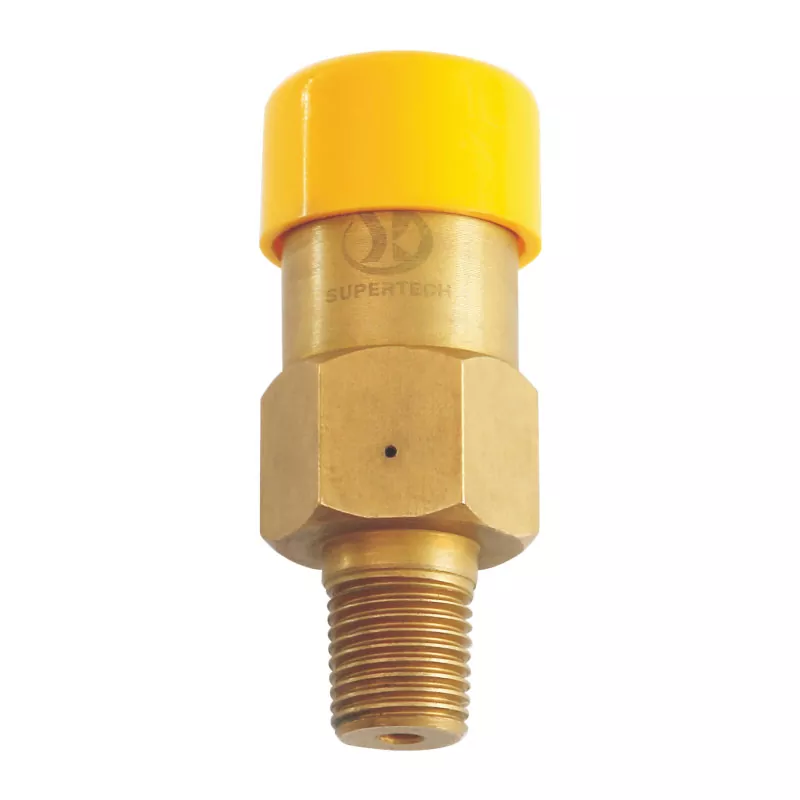
Why Hydrostatic Testing Affects Your LPG Safety Valve
The high pressure used during hydrostatic testing can stretch internal springs and seat materials. Below is the Supertech replacement schedule based on test results.
| Test Result | Action Required | Recommended Timing |
|---|---|---|
| Passed at standard pressure | Replace LPG Safety Valve | Within 12 months |
| Passed at elevated pressure | Immediate replacement | Before next use |
| Failed test (leak or creep) | Discard and replace | Immediately |
Key Indicators for Replacement
-
Visible corrosion or rust after the test
-
Inconsistent reseating pressure
-
Missing or illegible certification tag
LPG Safety Valve FAQ
Q1: Can I reuse my LPG Safety Valve if it passes a hydrostatic test without visible damage?
A: Passing a hydrostatic test does not guarantee future performance. Supertech advises replacement because the test can alter the valve’s cracking pressure and reseat characteristics. Even without visible damage, internal stress may lead to sudden failure during a real overpressure event. Reusing an untested or old valve is a significant safety risk.
Q2: How soon after a hydrostatic test should I install a new LPG Safety Valve?
A: You should install a new LPG Safety Valve before repressurizing the cylinder. Supertech recommends doing so within 24 hours of the test completion. Delaying installation exposes the cylinder to potential overpressure without a reliable release mechanism. Always keep a certified replacement valve on hand before sending cylinders for testing.
Q3: What happens if I ignore replacing my LPG Safety Valve after a hydrostatic test?
A: Ignoring replacement can cause the valve to fail to open at the correct pressure or leak continuously. This creates a direct risk of cylinder rupture or gas accumulation in confined spaces. Supertech has documented cases where delayed replacement led to costly facility shutdowns and near-miss incidents. Compliance with replacement schedules is legally required in many jurisdictions.
Contact Us
For expert guidance on LPG Safety Valve replacement schedules or to order certified components, contact Supertech today to ensure your systems remain safe and fully compliant.