

What Materials Are Best for a Flanged Floating Ball Valve in Corrosive Service
2026-11-05
Selecting the right material for a Flanged Floating Ball Valve in corrosive service is one of the most consequential decisions in industrial piping design. At Xiangzheng, we have supported chemical plants, water treatment facilities, and offshore platforms in matching valve metallurgy to aggressive media for over two decades. The wrong choice leads to premature seat failure, stem corrosion, and unplanned shutdowns, while the right combination of body, ball, stem, and seat materials delivers reliable isolation for years. This guide breaks down the material options, their corrosion resistance, and the practical selection criteria that engineers should apply.
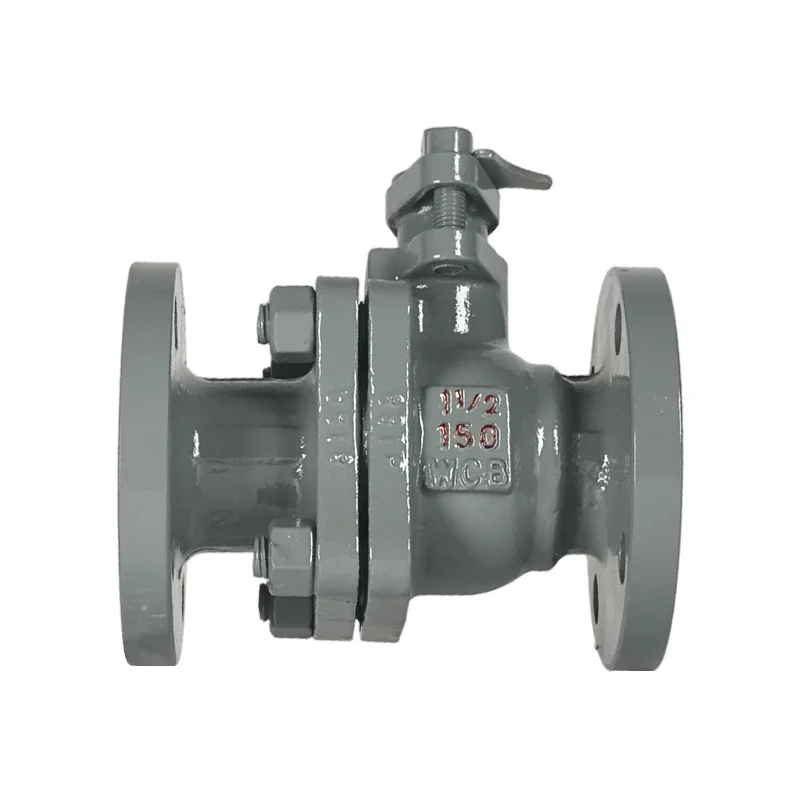
Understanding the Corrosion Triangle: Media, Temperature, and Concentration
Corrosion resistance is never a single-variable problem. A material that performs well in dilute sulfuric acid at ambient temperature may fail rapidly at elevated temperature or higher concentration. When specifying a Flanged Floating Ball Valve, always evaluate the process medium against published corrosion tables, then apply a safety margin for temperature excursions and trace contaminants such as chlorides.
Body and Ball Materials: The Primary Barrier
The body and ball form the wetted pressure boundary and receive the most direct exposure. The table below summarizes common options for Xiangzheng Flanged Floating Ball Valve construction.
| Material | Typical Grade | Best For | Limitations |
|---|---|---|---|
| Stainless Steel 304 | CF8 / 304 | Mild corrosives, water, dilute acids | Chloride pitting above 50 ppm |
| Stainless Steel 316 | CF8M / 316 | Marine, chemical, chlorinated media | Limited resistance to strong acids |
| Duplex 2205 | CD3MN | Chloride-rich, moderate acids | Not for reducing acids |
| Alloy 20 | CN7M | Sulfuric acid, phosphoric acid | Higher cost, longer lead time |
| Hastelloy C-276 | CW-12MW | Strong oxidizing and reducing acids | Premium pricing |
| Titanium | Gr2 / Gr7 | Seawater, hypochlorite | Not for reducing acids |
For most chemical service, Xiangzheng recommends 316 stainless steel as the baseline, upgrading to Duplex 2205 when chloride levels exceed 200 ppm or when stress corrosion cracking is a concern.
Stem and Seat Materials: The Hidden Failure Points
The stem is often overlooked, yet stem corrosion causes more Flanged Floating Ball Valve failures than body corrosion. Use 316 or Duplex stems in stainless bodies, and consider Hastelloy stems in Alloy 20 bodies for severe service. Seat materials follow a different logic:
-
PTFE: Excellent chemical inertness, suitable up to 180°C, ideal for aggressive acids.
-
RPTFE: Improved deformation resistance, broad chemical compatibility.
-
PEEK: High temperature and pressure capability, good for steam and hydrocarbons.
-
Metal seats: Required for abrasive slurries and high-temperature service above 250°C.
Selection Checklist for Corrosive Service
-
Confirm media concentration, temperature, and chloride content.
-
Verify corrosion tables for body, ball, stem, and seat separately.
-
Check flange standard compatibility (ASME B16.5, EN 1092, JIS).
-
Confirm pressure class against line rating.
-
Review Xiangzheng test certificates and material traceability.
Frequently Asked Questions
Q: Can a Flanged Floating Ball Valve handle sulfuric acid service?
A: Yes, provided the concentration and temperature are matched to the material. Alloy 20 or Hastelloy C-276 bodies with PTFE seats are standard for sulfuric acid, while 316 stainless is acceptable only for dilute concentrations at low temperature.
Q: What is the maximum chloride level for a 316 stainless Flanged Floating Ball Valve?
A: Generally below 50 ppm at ambient temperature, and lower as temperature rises. Above this threshold, Duplex 2205 or super duplex should be specified to avoid pitting and stress corrosion cracking.
Q: How often should seats be replaced in corrosive Flanged Floating Ball Valve service?
A: Inspection intervals depend on media aggressiveness, but annual seat inspection is recommended for strong acids, with replacement when leakage or increased torque is observed.
Contact Us
Ready to specify the right Flanged Floating Ball Valve for your corrosive application? Contact Xiangzheng today for material recommendations, corrosion data, and a tailored quotation for your project.