

What Makes the Conventional Series Control Valve Suitable for Most Industrial Applications?
2026-09-07
If you manage a chemical plant, a food processing facility, or a pharmaceutical manufacturing line, you have at least one Conventional Series Control Valve in your inventory. It is the workhorse of industrial flow control—the valve that does the job without requiring specialized expertise or custom engineering. But what exactly makes this valve so ubiquitous? The answer is not a single feature. It is a combination of design simplicity, parts availability, and proven performance across a wide range of pressures, temperatures, and fluid types. This guide is written for plant engineers who need to understand why this valve design remains the default choice for most industrial applications, and when it is time to consider alternatives.
1. What Are the Core Design Elements That Define the Conventional Series Control Valve?
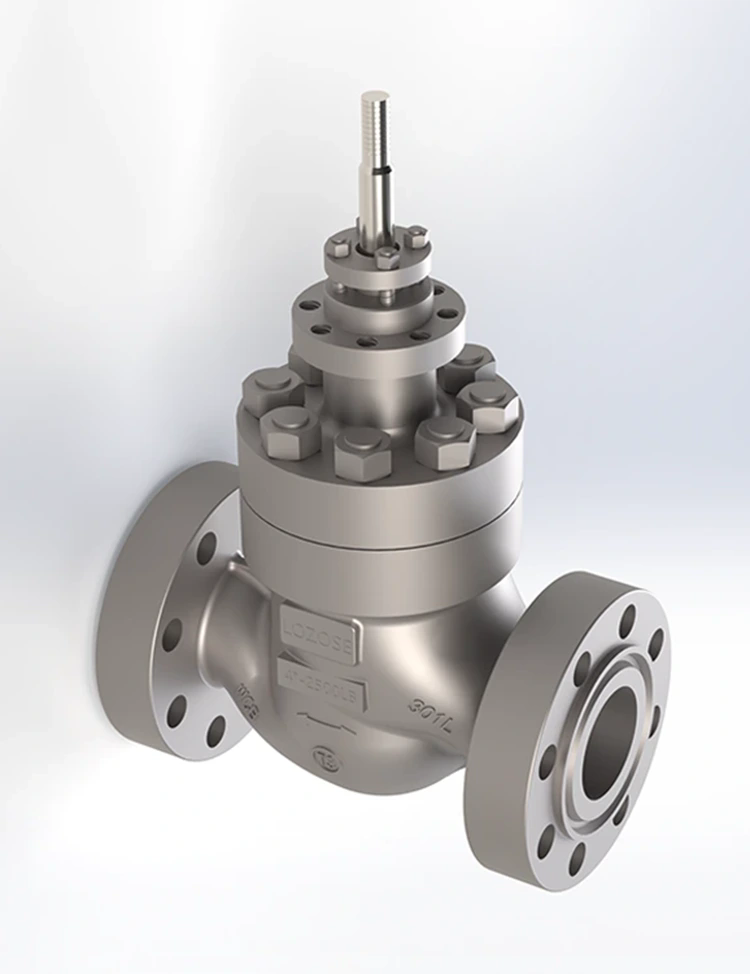
A Conventional Series Control Valve is a globe-style valve with a characterized trim that provides a predictable flow response to actuator movement. The key components are the valve body, the cage (or seat), the plug, the stem, and the actuator. The cage design determines the flow characteristic—equal percentage, linear, or quick opening. The most common configuration is the equal percentage characteristic, which provides a 1:50 controllable range and is suitable for most pressure and temperature control applications. The valve body is typically cast in carbon steel, stainless steel, or a special alloy, depending on the service conditions. In our factory, we manufacture Conventional Series Control Valve units with a bolted bonnet design that allows easy access to the trim for inspection and maintenance.
Practical consideration: The bolted bonnet design means you can replace the trim without removing the valve body from the pipeline. This reduces maintenance downtime from 4 hours to 45 minutes for a typical 4 inch valve.
Zhejiang Lozose Intelligent Control Instrument Co., Ltd. manufactures Conventional Series Control Valve units with a standard trim that is interchangeable across a range of valve sizes. This means that a 50 mm trim can be used in a 50 mm, 65 mm, or 80 mm valve body with the appropriate cage. This standardization reduces the number of spare parts you need to keep in stock.
2. What Flow Characteristics Are Available and How Do You Choose the Right One?
The flow characteristic of a Conventional Series Control Valve determines the relationship between the valve opening and the flow rate. The table below compares the three standard characteristics and their typical applications.
| Flow characteristic | Flow response | Typical applications | Controllable range |
| Linear | Flow is proportional to valve travel | Liquid level control, heat exchangers with constant pressure drop | 1:30 |
| Equal percentage | Equal increments of travel produce equal percentage changes in flow | Pressure control, temperature control, variable pressure drop systems | 1:50 |
| Quick opening | Large flow change with small initial travel | On/off applications, dump valves | 1:10 |
The equal percentage characteristic is the most common for Conventional Series Control Valve units used in pressure and temperature control applications because it compensates for the non-linear relationship between valve position and system pressure drop. In our factory, we recommend the equal percentage characteristic for applications where the pressure drop across the valve varies with the flow rate, which is the case in most industrial systems.
3. What Materials Are Available and How Do They Affect Service Life?
The material selection for a Conventional Series Control Valve determines its resistance to corrosion, erosion, and temperature. The table below shows the common material combinations and their service boundaries.
| Valve body material | Trim material | Max temperature (°C) | Max pressure (bar) | Typical service |
| WCB (carbon steel) | 316 stainless steel | 425 | 40 | Steam, water, oil |
| CF8M (316 stainless steel) | 316 stainless steel | 450 | 35 | Corrosive liquids, food products |
| WC9 (alloy steel) | Stellite faced | 540 | 50 | High temperature steam |
| CF3M (316L stainless) | 316L with PTFE seat | 200 | 25 | Pharmaceuticals, ultra pure water |
In our factory, we produce Conventional Series Control Valve units with a standard 316 stainless steel trim for most applications. This provides corrosion resistance adequate for water, steam, and mild chemicals. For severe services, we offer Stellite faced trims and PTFE seat options. We also provide a material selection guide that helps you choose the right combination for your specific process conditions.
4. What Is the Maintenance Reality for a Conventional Series Control Valve?
The maintenance of a Conventional Series Control Valve is straightforward because the design is standardized and the parts are widely available. The most common maintenance tasks are: replacing the seat and plug trim (which wear due to erosion), replacing the packing (which wears due to stem friction), and cleaning the cage (which can become fouled with debris). A typical trim replacement takes 30 to 45 minutes for a trained technician. The packing can be replaced without removing the valve from the pipeline, by loosening the bonnet and withdrawing the stem. In our factory, we provide a complete trim kit for every Conventional Series Control Valve we supply, which includes the seat, plug, cage, and gaskets.
Frequently Asked Questions About Conventional Series Control Valves
Summary for Plant Engineers and Maintenance Managers
The Conventional Series Control Valve is the most widely used type of control valve in industrial applications because it offers the right balance of performance, cost, and maintainability. The standardized design ensures that spare parts are available, maintenance is straightforward, and the valve can be serviced quickly without specialized tools. The valve is suitable for the majority of pressure and temperature control applications, from water and steam to mild chemicals. By selecting the correct flow characteristic, material combination, and valve size, engineers can achieve reliable control for most industrial processes. Our factory has been manufacturing Conventional Series Control Valve units for over 12 years, and we have supplied valves to chemical plants, food processors, and pharmaceutical manufacturers worldwide.
Zhejiang Lozose Intelligent Control Instrument Co., Ltd. manufactures Conventional Series Control Valve units with a standardized trim design that is interchangeable across valve sizes. We provide full technical documentation, including Cv charts, material certifications, and maintenance guides. Each valve is pressure tested and calibrated before shipment.