

The Optipow 135 Piston Pulse Valve is a compact pulse-cleaning valve designed for industrial dust filtration systems. Its piston-based operating structure, fast pulse action, compact installation footprint, and compressed-air management make it particularly relevant to pulse-jet baghouses where stable filter cleaning and reduced maintenance are important.
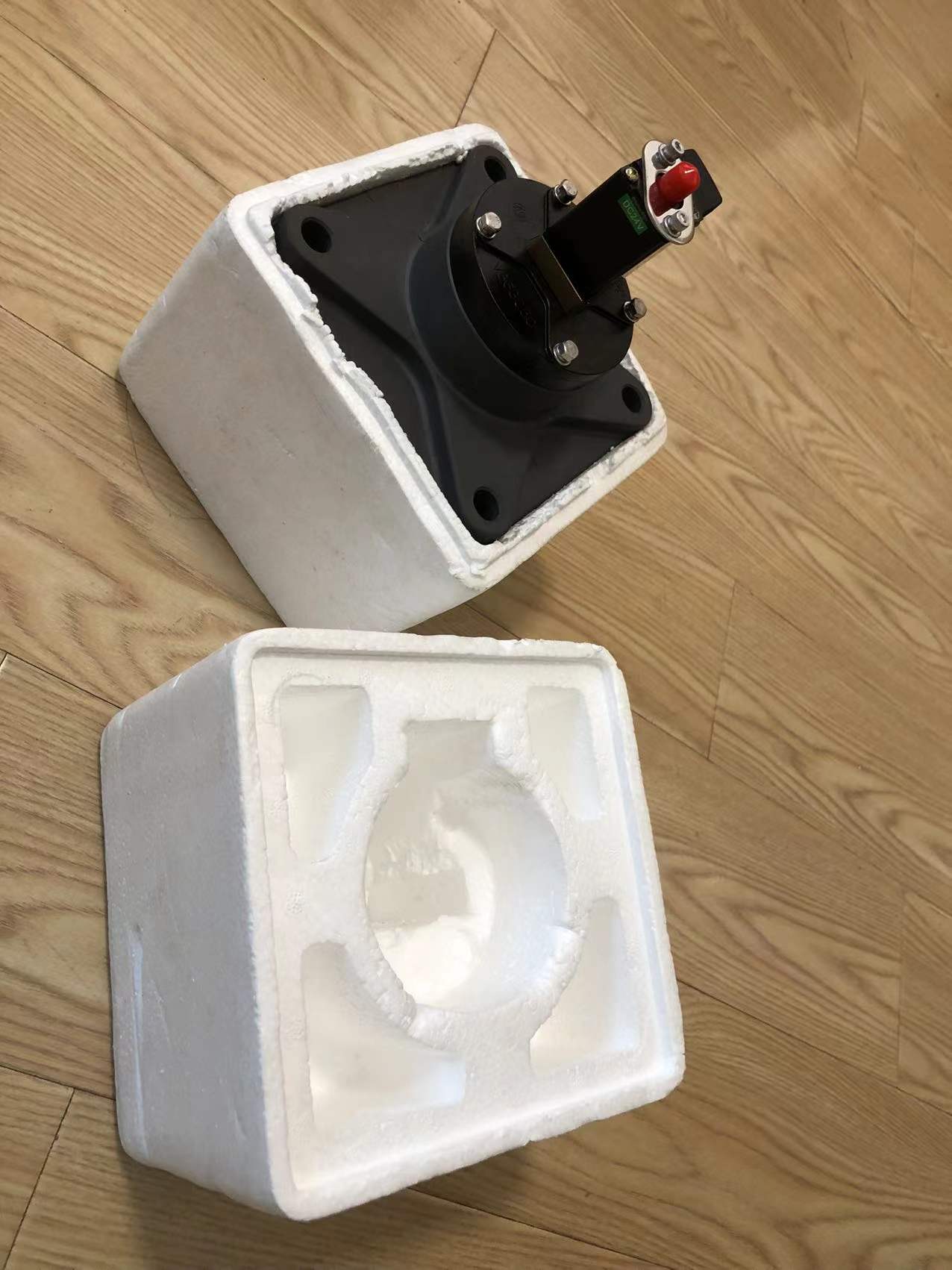
1. What the Optipow 135 Is Designed to Do
A pulse-jet dust collector depends on short bursts of compressed air to remove accumulated dust from filter bags or cartridges. When the cleaning pulse is too weak, too slow, poorly distributed, or inconsistent, dust remains on the filter surface. Differential pressure can then increase, airflow can fall, and the filtration system may require more frequent intervention.
The Optipow 135 Piston Pulse Valve is designed as the fast-acting air-release component within this cleaning process. It uses a piston-oriented valve arrangement rather than relying on a large conventional diaphragm as the primary opening element. Published product information commonly identifies the Optipow 135 as a 4-inch piston-type pulse valve for dust-cleaning and industrial filtration applications, with a design static pressure of up to 15 bar and normal operating pressure below 6 bar. Actual operating limits should always be confirmed against the valve supplier's current technical documentation and the conditions of the complete dust collector.
For replacement projects, engineers are often less concerned with the name of the valve than with interchangeability, mounting dimensions, air pressure, solenoid voltage, connection configuration, available spare parts, and long-term operating stability. These details should be checked before placing an order.
2. How the Piston Pulse Valve Works
The operating principle is based on pressure balance and rapid movement of the piston assembly. During the normal closed state, compressed air is contained within the air reservoir or manifold. The piston seals the passage toward the pulse pipe, preventing compressed air from entering the blow tube.
When the control system sends an electrical signal to the solenoid pilot valve, the pressure acting on the control side changes. This pressure difference allows the piston assembly to move rapidly away from its sealing position. The stored compressed air is then discharged through the pulse outlet and into the blow tube.
The sudden release creates a high-energy air pulse that travels through the cleaning pipe and acts on the filter elements. The resulting movement of the filter media helps detach accumulated dust from the outer surface. After the electrical pulse ends, the pilot section returns to its normal state, pressure is restored around the piston, and the main valve closes.
- Standby: the compressed-air reservoir is pressurized while the main valve remains closed.
- Electrical command: the pulse controller activates the solenoid.
- Pilot pressure changes: the control chamber is rapidly vented or pressurized according to the valve design.
- Piston movement: the main sealing element moves away from the outlet.
- Pulse discharge: compressed air is released into the blow tube.
- Reset: the piston returns to the closed position after the cleaning pulse.
The speed of this sequence is important. A pulse-cleaning valve must respond consistently to repeated electrical commands, because uneven timing or delayed opening can reduce the effectiveness of the cleaning sequence across a large filter installation.
3. Key Construction Features Behind Reliable Pulse Cleaning
The main opening action is produced by a piston mechanism. This configuration is intended to provide rapid air release while avoiding dependence on a large main rubber diaphragm for the primary valve movement.
The compact design is useful when pulse valves need to be installed closely together on a filter system. Published information for the Optipow family indicates installation spacing around 180 mm, with a minimum spacing of approximately 160 mm in suitable configurations.
An electrical solenoid pilot section provides the control signal needed to initiate the pulse. Different versions have been published for commonly used voltage configurations, so the required voltage and frequency should be confirmed before replacement.
Depending on the configuration, service components may include pilot membranes, O-rings, sealing discs, piston components, and solenoid assemblies. Having the correct spare parts available can shorten maintenance downtime.
One important distinction is that a piston pulse valve should not be evaluated only by its nominal pipe size. The actual cleaning result depends on the complete air system: reservoir volume, pressure, blow tube geometry, filter dimensions, pulse duration, valve condition, and the characteristics of the collected dust all influence performance.
4. Performance Factors That Matter in Operation
Fast opening and effective air release
A pulse-cleaning valve has only a short operating window in which to release stored air. A fast response allows the system to deliver the intended pulse before pressure conditions change significantly. This is particularly important in multi-row baghouse systems where the controller activates valves sequentially.
Compressed-air consumption
Compressed air is one of the major operating costs of pulse-jet filtration. A valve that releases air efficiently can help the cleaning system achieve the required cleaning effect without unnecessarily extending pulse duration or increasing cleaning frequency. However, actual air consumption must be evaluated together with reservoir pressure, valve configuration, pulse duration, and the number of valves operating in the system.
Filter resistance and cleaning frequency
The objective is not simply to produce a powerful pulse. The cleaning cycle should maintain an appropriate filter resistance while avoiding excessive cleaning. Over-cleaning can waste compressed air and may accelerate filter-media wear, while insufficient cleaning can cause dust accumulation and higher pressure drop.
Repeatability
Industrial dust collectors may operate for long periods with thousands of cleaning cycles. Consistent opening and closing behavior is therefore more valuable than a strong pulse that is only achieved occasionally. The condition of the piston, seals, pilot components, solenoid, and compressed-air supply should all be considered when investigating inconsistent pulse performance.
5. Common Technical Specifications of Optipow 135
The following table summarizes commonly published specifications for the Optipow 135 configuration. Because valve versions and supplier configurations can differ, purchasers should verify the exact part number and current datasheet before using these figures for engineering calculations.
| Item | Commonly Published Information | Why It Matters |
|---|---|---|
| Model | OPTIPOW 135 | Identifies the piston pulse valve configuration. |
| Valve type | Piston-type pulse cleaning valve | Defines the main operating mechanism. |
| Nominal size | 4 inch | Must correspond with the air header and blowpipe arrangement. |
| Application | Dust cleaning / industrial filtration | Used for pulse-jet cleaning of filter elements. |
| Design static pressure | Up to 15 bar | Defines a published design-pressure reference; not the recommended operating pressure. |
| Typical operating pressure reference | Below 6 bar | Actual pressure must be matched to the equipment design. |
| Design temperature reference | Up to 100°C in commonly published specifications | Actual temperature limits depend on materials and configuration. |
| Control | Solenoid pilot | Connects the valve to the pulse controller. |
| Installation spacing | Approximately 180 mm; some published information indicates 160 mm minimum | Important when replacing valves in a restricted air header. |
Technical values above are presented as reference information rather than a substitute for the manufacturer's current drawing, datasheet, or application approval. Pressure, temperature, electrical and connection requirements should be confirmed for each order.
6. Where It Is Used in Industrial Dust Collection
The Optipow 135 configuration is primarily associated with pulse-jet fabric filtration and dust-cleaning systems. Its compact construction makes it suitable for installations where multiple valves must be arranged along a compressed-air manifold without creating excessive spacing between adjacent units.
- Power generation: cleaning filter systems used for particulate control around industrial processes.
- Cement and building materials: dust collection from conveying, crushing, grinding, and material-handling processes.
- Steel and metallurgy: filtration systems exposed to heavy dust loading and continuous industrial operation.
- Glass manufacturing: pulse-jet dust collectors used around material preparation and production processes.
- Chemical processing: industrial filtration where controlled dust removal is required.
- Mineral processing: baghouses and fabric filters handling high concentrations of particulate matter.
- General manufacturing: central dust extraction and process-air filtration systems.
7. Installation Considerations That Can Prevent Early Problems
Correct installation has a direct effect on sealing performance and service life. Before installing a new valve, the air manifold should be checked for deformation, contamination, damaged threads, excessive welding residue, and foreign particles. The mating surface should be sufficiently flat and clean to provide reliable sealing.
Keep the compressed air clean and dry
Moisture, oil, rust particles, and pipe debris can interfere with the pilot section and sealing components. A suitable filtration and pressure-regulation arrangement should therefore be provided upstream of the pulse system. A drain point at the low section of the air manifold can also help prevent accumulated condensate.
Check the air reservoir before installation
A valve can perform poorly even when the valve itself is in good condition if the air tank is undersized or cannot maintain the required pressure during sequential pulsing. Check the reservoir capacity, pressure recovery, and the number of valves sharing the same air source.
Verify electrical compatibility
The solenoid voltage and frequency must match the pulse controller. Common published Optipow 135 versions include 24 V DC and several AC voltage configurations. Never assume that a replacement solenoid is compatible simply because the valve body has the same nominal model.
Inspect the blow tube alignment
The pulse valve and blowpipe should be aligned correctly. Poor alignment or excessive restriction can affect the delivery of the cleaning pulse and create a misleading situation in which the valve appears to be operating normally while the filter receives inadequate cleaning.
8. Maintenance and Troubleshooting Guide
When a pulse-cleaning system becomes ineffective, replacing the valve immediately is not always the best first step. A systematic inspection can identify whether the problem comes from the valve, compressed-air system, electrical control, or filter arrangement.
| Observed Problem | Possible Cause | Inspection Direction |
|---|---|---|
| Valve does not open | No electrical signal, incorrect voltage, solenoid fault, blocked pilot passage | Check controller output, wiring, coil condition and pilot components. |
| Weak cleaning pulse | Low reservoir pressure, restricted air supply, blowpipe restriction | Measure pressure during pulsing and inspect the complete air path. |
| Valve leaks continuously | Damaged seal, contaminated sealing surface, worn piston or pilot component | Isolate the air supply and inspect sealing components. |
| Slow response | Pilot pressure problem, contaminated compressed air, worn components | Inspect pilot passages, air quality and service parts. |
| Cleaning becomes uneven | Different valve response, controller timing, pressure variation | Compare valves across the same manifold and verify control sequencing. |
| Frequent component replacement | Moisture, excessive pressure, unsuitable operating conditions or contaminated air | Review the complete operating environment rather than only the valve. |
For plants operating multiple dust collectors, recording valve failures by location, operating hours, pulse frequency, air pressure, and replacement component can reveal recurring problems. This is particularly useful when the same valve model is installed across several production lines.
9. What to Check Before Purchasing a Replacement
Replacement purchasing is often driven by an urgent maintenance requirement. However, the fastest delivery does not necessarily mean the correct replacement. The following information should be prepared before requesting a quotation.
- Exact model: confirm that the required valve is the 135 configuration and not another size in the same product family.
- Part number: provide the existing valve or solenoid part number whenever available.
- Electrical specification: confirm voltage, AC/DC type, and frequency.
- Connection and mounting: verify the air-header interface and available installation space.
- Operating pressure: provide normal and maximum pressure rather than only the compressor rating.
- Operating temperature: include ambient temperature and the temperature of the compressed air where relevant.
- Application: explain the type of dust collector, filter media, dust characteristics, and pulse-cleaning sequence.
- Replacement requirements: specify whether the project needs complete valves, solenoids, piston assemblies, pilot membranes, seals, or maintenance kits.
For industrial buyers, supplying a drawing, existing valve photograph, nameplate information, or part number can significantly reduce the risk of receiving an unsuitable configuration. It also allows the supplier to check compatibility before production or shipment.
10. Frequently Asked Questions
It is used primarily for compressed-air pulse cleaning in industrial dust filtration systems, particularly pulse-jet baghouses and fabric filters. The valve releases a short burst of compressed air to clean accumulated dust from filter elements.
The piston arrangement provides the main valve-opening action and is intended to deliver rapid, repeatable pulse discharge. It differs from conventional pulse valves in which a larger diaphragm performs the primary opening function.
Commonly published specifications identify the Optipow 135 as a 4-inch configuration. The actual connection and installation dimensions should still be checked against the valve drawing for the specific version being purchased.
Published specifications commonly state an operating pressure below 6 bar and a design static pressure of 15 bar. The appropriate pressure for a particular dust collector depends on the complete system design and should be confirmed before operation.
Different Optipow 135 configurations have been published with different solenoid voltage options. The required voltage, AC/DC type, and frequency should be specified before ordering to ensure compatibility with the pulse controller.
Possible causes include contamination on the sealing surface, damaged or incorrectly installed seals, worn internal components, unsuitable pressure conditions, or problems in the pilot control section. Checking the compressed-air quality and installation condition is recommended before replacing the entire valve.
Use clean and dry compressed air, maintain appropriate operating pressure, keep the air manifold free from debris, verify correct electrical control, inspect sealing components periodically, and avoid unnecessarily frequent pulse cycles. The correct maintenance interval depends on the actual operating environment.
Provide the model and part number, valve size, connection type, solenoid voltage, operating pressure, temperature, dust collector model if available, quantity, and whether complete valves or spare components are required. Photos and dimensional drawings are also useful for replacement projects.
11. A Practical Approach to Long-Term Dust Collector Reliability
A reliable pulse-cleaning system is the result of several components working together. The pulse valve must open quickly, the compressed-air system must provide sufficient pressure and volume, the blowpipe must distribute the pulse correctly, and the controller must maintain an appropriate cleaning sequence.
For this reason, purchasing decisions should not focus solely on the valve's nominal size or initial price. Compatibility, component availability, installation dimensions, solenoid configuration, air quality, maintenance support, and application conditions can have a much greater effect on the total operating result.
For replacement and OEM requirements, a clear technical specification is the most effective starting point. Matching the valve to the existing air header and control system can help reduce installation modifications, avoid unnecessary downtime, and make future spare-parts management easier.
Need an Optipow 135 Piston Pulse Valve Replacement?
If you are sourcing an Optipow 135 Piston Pulse Valve for a baghouse, dust collector, industrial filtration system, OEM project, or replacement application, Tianjin Konos Industrial Valve Manufacturing Co., Ltd. can review your technical requirements and discuss a suitable valve configuration or customized manufacturing solution.
Send us the model number, dimensions, solenoid specification, working pressure, quantity, or existing valve photos, and our team can review the requirements with you.
Contact Us