

What Makes Fabric Conveyor Belts a Reliable Choice for Material Handling?
2025-09-17
Conveyor systems are at the core of material handling across multiple sectors such as mining, construction, logistics, food processing, and ports. Among different types of conveyor belts, fabric conveyor belts stand out due to their versatility, flexibility, and balance between performance and cost. These belts are not only designed to carry bulk materials over long distances but also ensure smooth, consistent, and safe operations in diverse environments.
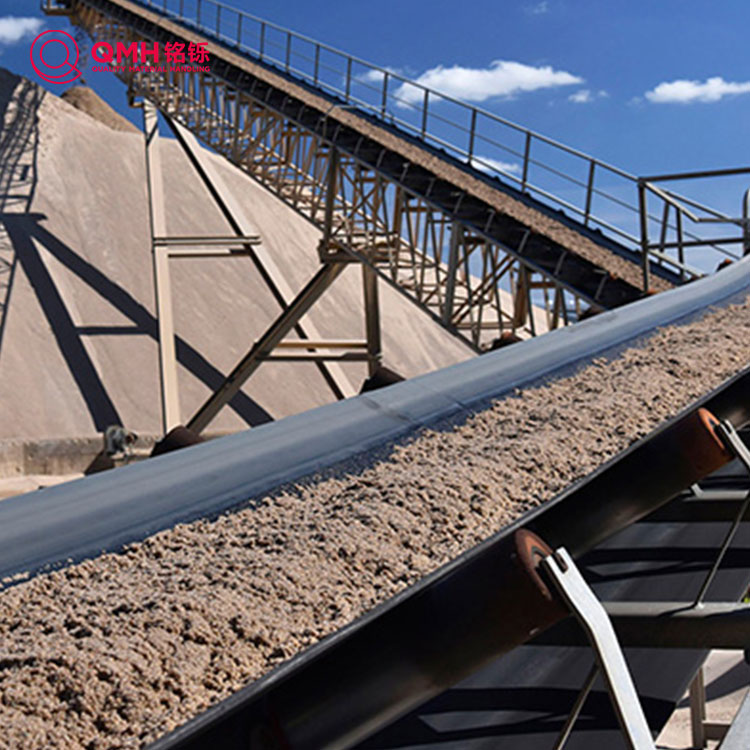
Fabric conveyor belts, as the name suggests, are constructed using layers of textile fabrics as their tension-bearing elements. The fabrics are typically coated with rubber compounds or PVC to enhance durability, resist wear, and improve traction. Compared to steel-cord belts, fabric conveyor belts are easier to install, lighter in weight, and cost-effective, making them suitable for medium to heavy-duty applications where strength and reliability are essential.
Key reasons businesses prefer fabric conveyor belts include:
-
Flexibility: Easier to handle curves and transitions in conveyor systems.
-
Durability: Capable of withstanding abrasion, impact, and heavy loads.
-
Cost-effectiveness: Lower initial investment and maintenance costs compared to steel belts.
-
Variety: Available in different fabrics, thicknesses, and cover compounds to suit unique environments.
By balancing performance with affordability, fabric conveyor belts have become an indispensable solution in industries where efficiency and safety drive operational success.
How Do Fabric Conveyor Belts Work and What Are Their Technical Features?
Fabric conveyor belts operate on a straightforward principle: the fabric plies within the belt provide tensile strength, while the rubber or PVC cover layers protect the belt and ensure a grip on the material being transported. These belts are supported by rollers or idlers along the conveyor structure, ensuring stable movement and reduced spillage.
Construction of Fabric Conveyor Belts
-
Top Cover – Protects the belt from abrasion, impact, and chemical exposure.
-
Carcass (Fabric Layer) – The heart of the belt that provides strength and flexibility. Common materials include polyester, nylon, cotton, and aramid.
-
Bottom Cover – Provides friction with pulleys and protects the carcass.
-
Skim Layers – Bonding layers that improve adhesion between fabric plies.
Fabric Types Commonly Used
-
EP (Polyester/Nylon): High strength, excellent flexibility, low elongation, and resistance to moisture.
-
NN (Nylon/Nylon): Superior flexibility and impact resistance, often used in heavy-duty applications.
-
CC (Cotton/Cotton): Traditional fabric offering good adhesion but less used today.
-
Aramid Fabric: High-performance fiber with exceptional strength-to-weight ratio, suitable for demanding applications.
Technical Parameters of Fabric Conveyor Belts
| Parameter | Specification Range / Options |
|---|---|
| Belt Width | 300 mm – 3000 mm |
| Tensile Strength | 200 N/mm – 2500 N/mm |
| Fabric Type | EP, NN, CC, Aramid |
| Number of Plies | 2 – 6 plies depending on load requirements |
| Top Cover Thickness | 2 mm – 12 mm |
| Bottom Cover | 1 mm – 6 mm |
| Temperature Range | -40°C to +120°C (special compounds up to 200°C) |
| Cover Grades | General purpose, heat-resistant, flame-retardant, oil-resistant |
These parameters are tailored to match specific material handling tasks. For instance, in cement plants, belts with heat-resistant covers are used, while in coal mining, flame-retardant belts are essential for safety.
How They Improve Productivity
Fabric conveyor belts reduce downtime by offering long service life, consistent performance, and adaptability to challenging conditions. By efficiently moving bulk materials with minimal energy consumption, they lower overall operational costs while maintaining safety standards.
Why Should Businesses Choose Fabric Conveyor Belts Over Alternatives?
The decision between fabric and other conveyor belts, such as steel-cord belts, depends on application needs. However, fabric belts provide several advantages that make them a preferred choice for many sectors.
Benefits of Fabric Conveyor Belts
-
Ease of Installation
-
Fabric belts are lighter, making them easier to splice, install, and maintain.
-
Shorter installation time reduces downtime and increases productivity.
-
-
Flexibility and Versatility
-
Can handle both short-distance and medium-distance conveying.
-
Suitable for curved or inclined conveyor systems.
-
-
Cost Efficiency
-
Lower upfront cost than steel-cord belts.
-
Maintenance and replacement are simpler and less expensive.
-
-
Durability in Harsh Environments
-
High resistance to wear, impact, and tearing.
-
Advanced cover compounds ensure performance even in extreme conditions.
-
-
Customization
-
Available in multiple plies, widths, and cover grades.
-
Tailored for industries such as mining, construction, agriculture, power plants, and ports.
-
Use Cases Across Industries
-
Mining: Transporting coal, iron ore, or aggregates with abrasion-resistant covers.
-
Construction: Handling sand, gravel, and cement in high-load environments.
-
Agriculture: Moving grains, seeds, or fertilizers in bulk.
-
Food Processing: Using PVC-coated fabric belts with hygienic properties.
-
Logistics and Ports: Efficiently loading and unloading bulk cargo.
Common FAQs About Fabric Conveyor Belts
Q1: What is the lifespan of a fabric conveyor belt?
A: The lifespan depends on load, operating conditions, and maintenance. On average, fabric conveyor belts can last between 3 to 7 years under normal use. Regular inspections, correct tensioning, and choosing the right cover grade can extend their durability.
Q2: How do I maintain fabric conveyor belts to ensure longer service life?
A: Maintenance involves checking belt tension, alignment, and splicing integrity. Keeping pulleys clean, removing spillage, and avoiding overloading are essential. Periodic monitoring of wear patterns helps predict replacement needs and reduces unexpected downtime.
What Is the Future of Fabric Conveyor Belts and How Can QMH Help Your Business?
The global demand for efficient material handling continues to grow, and fabric conveyor belts remain central to this trend. As industries focus on sustainability, safety, and automation, belts are being engineered with advanced materials and smarter designs.
Emerging Trends
-
Eco-Friendly Materials: Development of belts with recyclable or biodegradable compounds.
-
Energy Efficiency: Lower rolling resistance belts reduce power consumption in large-scale systems.
-
Digital Monitoring: Integration of sensors for real-time tracking of wear, load, and temperature.
-
High-Performance Fabrics: Use of aramid and hybrid fabrics for extreme applications requiring both strength and flexibility.
Why Fabric Conveyor Belts Will Remain Relevant
Despite the presence of steel-cord belts in heavy mining, fabric conveyor belts are expected to maintain strong demand due to their adaptability and lower lifecycle costs. They continue to serve as a reliable backbone of material handling for businesses that value efficiency, safety, and profitability.
At QMH, we specialize in high-quality fabric conveyor belts designed to meet the specific requirements of global industries. Our belts are engineered for durability, performance, and safety across mining, logistics, construction, and agriculture. By combining advanced fabric technologies with tailored cover compounds, we help businesses achieve smoother operations, reduced downtime, and long-term cost savings.
For detailed product information, technical support, or bulk inquiries, contact us today and discover how QMH can deliver the right conveyor belt solution for your business.