

Article Summary: Butterfly valves are widely used in various industrial systems due to their compact design, versatility, and efficiency. This article explains the types of butterfly valves, their materials, applications, specifications, and maintenance practices to help businesses select the right solution for their needs. FYL provides high-quality butterfly valves that combine performance and cost-effectiveness for global clients.
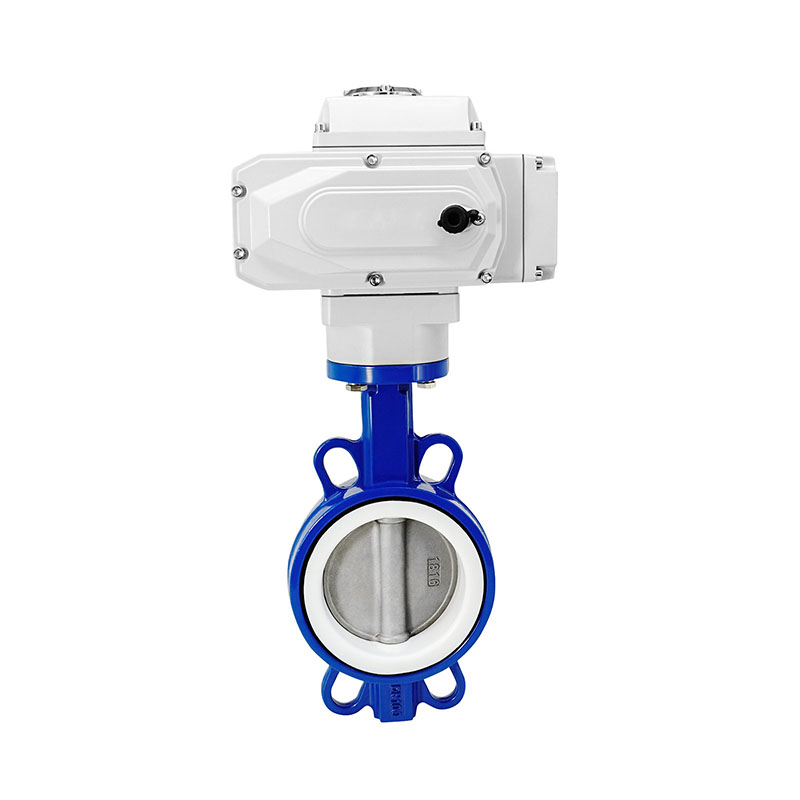
Table of Contents
- Introduction to Butterfly Valves
- Types of Butterfly Valves
- Materials and Specifications
- Industrial Applications
- Installation and Maintenance Tips
- Frequently Asked Questions
- Conclusion and Contact
Introduction to Butterfly Valves
Butterfly valves are quarter-turn valves that regulate fluid flow using a disc mounted on a rotating shaft. When the valve is fully closed, the disc blocks the pipeline; when fully open, the disc allows full flow. These valves are valued for their simple design, low weight, and quick operation, making them suitable for large-diameter pipelines and various industrial processes.
- Quick operation: Open/close within 90° rotation
- Compact and lightweight: Easy to install in limited spaces
- Versatile: Suitable for liquids, gases, and slurries
- Cost-efficient: Lower production and maintenance costs compared to other valves
Types of Butterfly Valves
Industrial butterfly valves are designed for different operational needs. FYL offers multiple configurations to match various applications:
| Type | Description | Common Use |
|---|---|---|
| Wafer Butterfly Valve | Lightweight, sandwiched between flanges with no body connection. | Water supply, HVAC systems, low-pressure pipelines. |
| Double Eccentric Butterfly Valve | Offset shaft design reduces friction and wear, allowing higher pressure and temperature. | Steam, gas, and chemical pipelines. |
| Triple Eccentric Butterfly Valve | Three-offset geometry for metal-to-metal sealing; suitable for extreme conditions. | High-temperature flue gases, oil, and gas pipelines. |
| Pneumatic/Electric Actuated Butterfly Valve | Automated operation via actuators for precise control. | Industrial automation, remote flow regulation. |
Materials and Specifications
Choosing the right material ensures valve longevity and performance. Common materials include:
- Cast Iron: Suitable for water and low-pressure systems.
- Carbon Steel: Handles higher pressure and temperature environments.
- Stainless Steel: Corrosion-resistant for chemical, food, and pharmaceutical applications.
- Valve Seals: Rubber, PTFE, or metal depending on fluid type and pressure.
Specifications Table:
| Specification | Range/Option |
|---|---|
| Nominal Diameter | 50mm – 2000mm |
| Pressure Rating | PN10 – PN40 / 150 psi – 600 psi |
| Operating Temperature | -40°C to 550°C (depending on material) |
| Connection Type | Wafer, Lug, Flanged |
| Actuation | Manual, Pneumatic, Electric |
Industrial Applications
Butterfly valves are deployed in various industries due to their versatility and efficiency:
- Water Treatment & Supply: Flow isolation and throttling in pipelines.
- HVAC Systems: Airflow control in heating, ventilation, and cooling systems.
- Oil & Gas: High-temperature, high-pressure fluid control in refineries and pipelines.
- Chemical & Food Processing: Corrosion-resistant valves for sanitary applications.
- Power Plants: Steam and cooling water control.
Installation and Maintenance Tips
Proper installation and maintenance extend valve life and ensure reliable performance:
- Ensure correct alignment with pipeline flanges to prevent leakage.
- Use appropriate gaskets and bolts for the valve type.
- Regularly inspect seals and discs for wear or corrosion.
- Operate valves periodically to prevent disc sticking, especially in automated systems.
- Actuators should be calibrated and lubricated according to manufacturer guidelines.
Frequently Asked Questions
Q1: What is the difference between wafer and lug butterfly valves?
A: Wafer valves are sandwiched between flanges without threaded connections, suitable for light-duty applications. Lug valves have threaded lugs, allowing independent removal from pipelines.
Q2: Can butterfly valves handle high-temperature fluids?
A: Yes, double and triple eccentric valves made from carbon steel or stainless steel can handle high-temperature fluids up to 550°C.
Q3: How do I select the right actuator?
A: Selection depends on required torque, automation type (electric or pneumatic), operating speed, and control precision.
Conclusion and Contact
Butterfly valves offer efficient, compact, and cost-effective solutions for fluid control across industries. FYL provides a full range of butterfly valves, including wafer, double eccentric, and triple eccentric types, ensuring high-quality performance and competitive pricing. For tailored solutions and expert guidance on selecting the right butterfly valve for your application, contact us today and partner with FYL for reliable industrial flow control solutions.