

What Makes a Forged Steel Check Valve SW Essential for High-Pressure Piping Systems?
2026-10-12
In industrial piping systems, preventing reverse flow is essential for protecting equipment, maintaining process stability, and reducing unexpected maintenance costs. A Forged Steel Check Valve SW is designed to allow fluid to move in one direction while automatically restricting backflow. With a forged steel body and socket weld (SW) connections, this valve is a practical choice for compact, high-pressure piping applications where reliable sealing and secure installation are important.
For industrial buyers, selecting the right check valve involves more than comparing prices. Material quality, pressure ratings, connection dimensions, operating conditions, and manufacturing consistency all influence long-term performance. Wenzhou Diye Valve And Fittings Co.,Ltd. can be considered as a supplier for buyers seeking valve and piping components suited to demanding industrial applications.
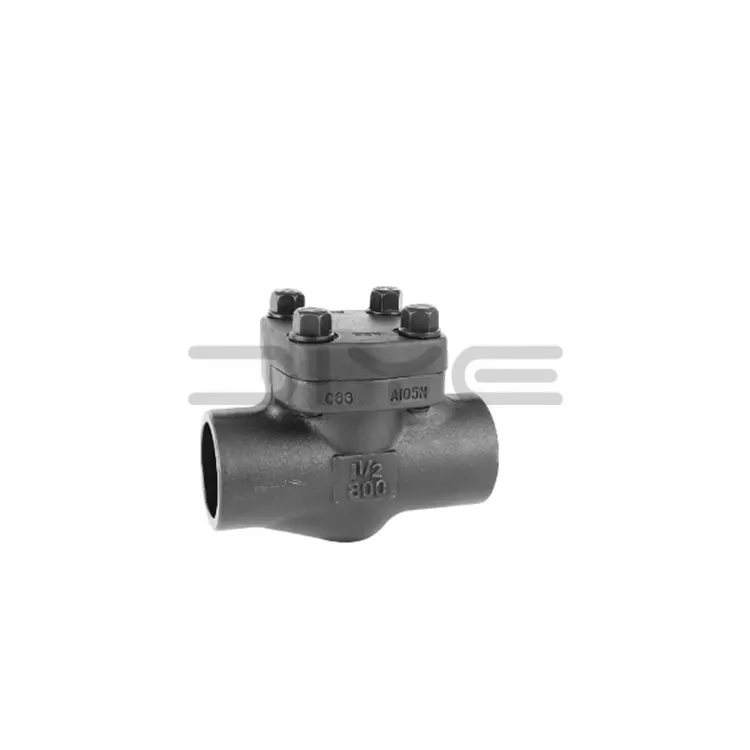
1. How Does a Forged Steel Check Valve SW Work?
A Forged Steel Check Valve SW operates automatically in response to changes in fluid pressure. When the upstream pressure is sufficient to overcome the closing force, the internal disc or piston moves away from the seat, allowing fluid to pass. When forward flow decreases or reverse pressure develops, the closing mechanism returns the moving element toward the seat, helping prevent backflow.
Depending on its internal design, a forged steel check valve may use a piston, ball, or swing-type mechanism. The appropriate configuration depends on the fluid, flow conditions, installation orientation, and system requirements.
Key Components and Their Functions
-
Forged steel body: Forms the main pressure-containing structure and supports the internal components.
-
Disc or piston: Opens under suitable forward-flow conditions and closes when backflow occurs.
-
Valve seat: Provides the sealing surface when the valve closes.
-
Bonnet or cover: Encloses the internal mechanism and provides access for inspection or maintenance, depending on the design.
-
Socket weld connection: Connects the valve to compatible piping through a welded socket joint.
The socket weld end is particularly useful in compact piping layouts where a permanent welded connection is preferred. Correct pipe preparation, welding procedures, and installation practices remain essential to achieving reliable service.
2. Why Is a Forged Steel Check Valve SW Important?
Reliable Backflow Prevention
Reverse flow can cause equipment damage, disrupt production, and compromise the operation of pumps and other process equipment. A properly selected check valve helps reduce these risks by closing automatically when flow reverses.
Strength for Demanding Service
Forged steel construction is widely used in compact industrial valves designed for demanding pressure conditions. The final pressure capability, however, depends on the specific material, pressure class, temperature, and applicable design requirements.
Compact Installation
Socket weld connections can provide a compact, permanent joint without requiring the space associated with bolted flanged connections. This makes them useful in small-bore process piping and installations with limited space.
Reduced Operational Intervention
Because the valve operates automatically, it does not require a manual operator to initiate closure during normal backflow events. Proper sizing and operating conditions are still necessary to prevent problems such as excessive pressure loss, unstable movement, or water hammer.
3. Where Can Forged Steel Check Valve SW Be Used?
A Forged Steel Check Valve SW is commonly considered for industrial services involving high-pressure or compact piping arrangements.
Typical applications include:
-
Oil and gas systems: Helps prevent reverse flow in suitable process and auxiliary lines.
-
Petrochemical plants: Supports directional flow control in compatible process piping.
-
Power generation: Used in selected steam, condensate, and auxiliary systems when the valve is appropriately rated.
-
Chemical processing: Provides backflow protection when the body and trim materials are compatible with the process medium.
-
Industrial water and utility systems: Helps protect pumps and associated equipment against reverse flow.
Actual suitability depends on the fluid composition, operating temperature, pressure, flow rate, and relevant safety requirements.
4. What Specifications Should Buyers Compare?
Before purchasing a Forged Steel Check Valve SW, buyers should verify the following technical parameters.
| Specification | What to Check |
|---|---|
| Body material | Carbon steel, alloy steel, or stainless steel, according to service conditions |
| Connection type | Socket weld (SW) and compatibility with the piping system |
| Nominal size | Required pipe size and connection dimensions |
| Pressure class | Rated pressure at the actual operating temperature |
| Internal design | Piston, ball, or swing configuration, as applicable |
| Applicable standards | Relevant design, connection, and testing standards |
| Testing and inspection | Required pressure tests, inspection records, and documentation |
| Operating conditions | Fluid properties, temperature, flow rate, and installation orientation |
For example, API 602, ASME B16.34, ASME B16.11, and API 598 may be relevant to particular forged steel valve designs, socket weld connections, and inspection or testing requirements. Buyers should confirm which standards apply to the specific product rather than assuming every valve complies with all of them.
5. How Can Buyers Choose the Right Forged Steel Check Valve SW?
A systematic selection process helps reduce purchasing risks and improve compatibility.
-
Define the service conditions. Confirm maximum and normal operating pressures, temperatures, and the characteristics of the medium.
-
Select suitable materials. Consider corrosion resistance, temperature limits, and mechanical requirements.
-
Confirm connection dimensions. Ensure the socket weld end matches the specified piping and fitting requirements.
-
Evaluate internal design. Choose a suitable disc or piston arrangement based on flow characteristics and installation conditions.
-
Verify testing and documentation. Request applicable inspection reports, material certificates, and pressure-test documentation.
-
Compare total ownership costs. Evaluate service life, maintenance requirements, delivery reliability, and technical support alongside the purchase price.
These steps help procurement teams assess products more consistently and avoid selecting a valve based on price alone.
6. Why Consider Wenzhou Diye Valve And Fittings Co.,Ltd.?
When sourcing industrial valves, buyers need a supplier that can help clarify specifications, connection requirements, and product suitability. Wenzhou Diye Valve And Fittings Co.,Ltd. is a potential sourcing contact for buyers evaluating valve and piping solutions.
For a Forged Steel Check Valve SW inquiry, buyers can prepare the required size, pressure class, body material, connection standard, operating temperature, and intended application. Providing these details makes it easier to determine whether a proposed product meets the project's technical requirements.
Before placing an order, confirm the manufacturer's available specifications, applicable certifications, quality-control procedures, delivery schedule, and after-sales support. Clear technical communication can help minimize specification mismatches and streamline procurement.
Conclusion
A Forged Steel Check Valve SW plays an important role in backflow prevention, equipment protection, and reliable industrial piping operation. Its forged construction and socket weld connection make it a useful option for suitable compact piping systems, particularly where pressure performance and installation requirements must be carefully controlled.
Choosing the right valve requires attention to material compatibility, pressure-temperature ratings, internal design, connection dimensions, and applicable standards. By evaluating these factors before purchasing, industrial buyers can make more informed sourcing decisions and improve system reliability.
If you are looking for a suitable forged steel check valve for your industrial project, contact us at Wenzhou Diye Valve And Fittings Co.,Ltd. to discuss your application requirements, technical specifications, and product sourcing needs. Share your preferred size, material, pressure class, and connection details to help identify an appropriate solution for your piping system.