

What Maintenance Tasks Should Be Included in an Alarm Valve Inspection?
2026-10-15
An Alarm Valve inspection is an important part of maintaining a reliable wet pipe fire sprinkler system. The inspection should confirm that the valve assembly remains in good physical condition, water pressure is within the specified operating range, alarm devices respond correctly, and associated pipes and fittings show no signs of leakage or obstruction. A valve that appears normal from the outside may still have problems involving internal sealing components, restricted passages, or alarm connections. At Fuxeon Fire-Fighting Technology Co.,Ltd., we consider inspection and preventive maintenance essential to preserving the operational reliability of fire protection equipment. The inspection scope should follow the manufacturer's instructions, the system design, and applicable fire codes rather than relying on a visual check alone.
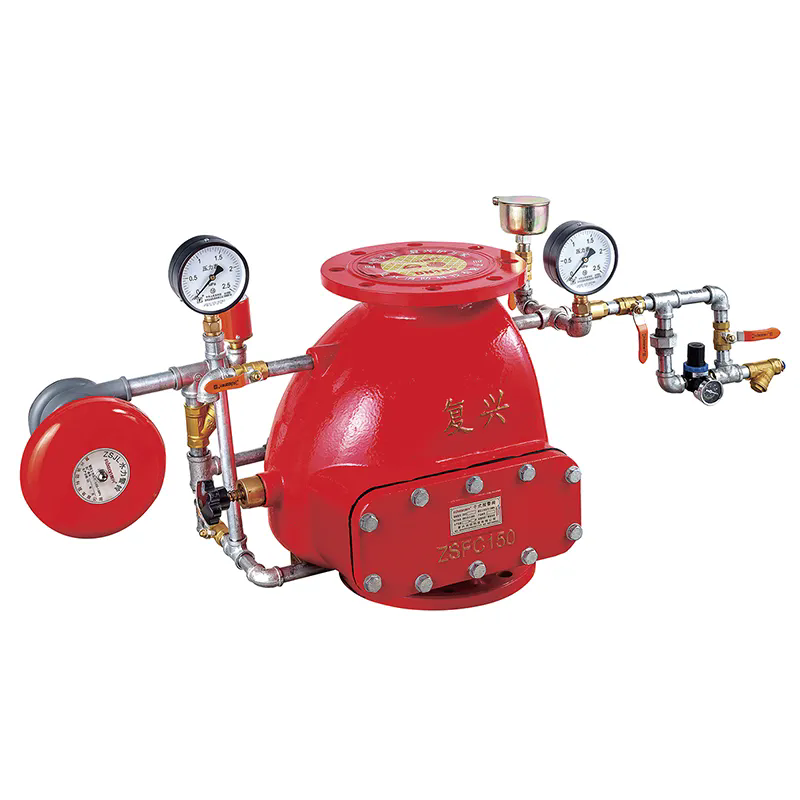
Which Components Should Be Checked During a Routine Inspection?
A systematic inspection starts with the complete valve assembly, including its body, trim piping, gauges, control valves, alarm connections, and drainage arrangements. The exact configuration varies according to the sprinkler system design and the selected valve model. Before starting any maintenance activity, the responsible technician should review the site procedures and determine whether the work could affect fire protection coverage.
Our inspection approach begins with the equipment identification plate and the manufacturer's documentation. Confirm the model, rated working pressure, installation orientation, approved operating conditions, and applicable maintenance instructions. These details establish the correct inspection criteria and help prevent technicians from applying requirements intended for a different valve design.
| Inspection item | What to examine | Why it matters |
| Valve body and cover | Visible cracks, corrosion, physical damage, and signs of leakage | Helps identify structural deterioration and potential water loss |
| Pressure gauges | Readings, visible damage, connection leaks, and calibration status where required | Helps verify that pressure indications are credible |
| Control valves | Correct operating position, accessibility, identification, and approved supervision arrangements | Helps prevent an unintended interruption of sprinkler protection |
| Trim piping and fittings | Loose connections, corrosion, blockage indicators, and physical damage | Supports proper operation of the valve and its associated devices |
| Alarm connections | Visible damage, secure fittings, and condition of connected alarm equipment | Helps ensure that waterflow events can be reported correctly |
| Drainage components | Drain outlets, drainage paths, leakage, and signs of obstruction | Supports controlled testing and removal of water where required |
| Identification and records | Valve labels, inspection tags, previous findings, and maintenance history | Improves traceability and follow-up of recurring problems |
Technicians should also check whether the assembly is accessible and whether nearby equipment, stored materials, or building alterations obstruct safe inspection. Any missing identification, unauthorized modification, or component that differs from the approved installation should be recorded for technical review.
Our factory manufactures fire protection equipment according to the specifications applicable to each product range. For maintenance planning, however, the final acceptance criteria must come from the actual installed model, its approved documentation, and the requirements governing the building. Generic product descriptions cannot replace model-specific instructions.
How Should Pressure, Leakage, and Mechanical Condition Be Evaluated?
Pressure verification is a central inspection task because the sprinkler system depends on an adequate water supply and correctly functioning components. Technicians should record the available gauge readings and compare them with the approved system design, commissioning records, and any established site operating limits. A reading outside the expected range should be investigated rather than automatically corrected by adjusting a valve.
Pressure readings should be interpreted in context. Supply pressure can vary because of municipal water conditions, pump operation, demand elsewhere in the building, or a fault within the system. If the readings differ significantly from the documented baseline, investigate the cause through the approved maintenance procedure. A damaged or unreliable gauge may also require verification or replacement by a qualified technician.
Leak inspection should cover the valve body, cover joints, threaded or flanged connections, drain fittings, and visible trim piping. Look for fresh water marks, persistent dampness, mineral deposits, corrosion, and other evidence of a developing leak. Even a small leak can lead to deterioration, unreliable pressure readings, or unnecessary water discharge if it remains unresolved.
Mechanical checks should confirm that the assembly has no obvious impact damage, loose supports, or unauthorized alterations. Do not dismantle the valve simply because an external inspection reveals no obvious problem. Internal inspection and servicing should be performed only when required by the manufacturer's maintenance schedule, a diagnosed fault, or the applicable inspection standard.
Our maintenance guidance emphasizes recording actual findings instead of marking every item as satisfactory without evidence. The record should identify the component examined, the observed condition, the measured pressure where relevant, any corrective action, and the person responsible for the work. This makes it easier to distinguish a temporary reading variation from a recurring equipment problem.
How Can Alarm Functions and Waterflow Response Be Tested Safely?
The alarm function must be checked according to the system design and the manufacturer's approved test procedure. Depending on the installation, the assembly may be associated with a water motor alarm, a pressure switch, an alarm pressure switch, or other waterflow detection and signaling equipment. Not every installation uses the same arrangement, so the technician must identify the devices actually fitted.
Functional testing should establish whether the relevant alarm device responds when the prescribed test condition is created and whether the signal reaches the intended monitoring point. Where the system is connected to a fire alarm control panel or a monitored receiving station, coordinate the test with the responsible building team to prevent an unnecessary emergency response and to ensure that alarm transmission is restored afterward.
Use the designated test connection and follow the manufacturer's procedure. Do not assume that operating a nearby drain or manually manipulating an unapproved fitting provides a valid test of the complete alarm circuit. The selected procedure must verify the functions required for that specific installation.
The technician should document the test date, method, observed response, signal receipt where applicable, and any fault discovered. If the alarm fails to operate, the cause may involve a blocked connection, a defective pressure switch, a damaged water motor, wiring problems, or a communication fault. The cause should be diagnosed before the system is declared operational.
Testing must also account for the effect on fire protection coverage. Before a test that could impair the system, follow the building's impairment procedure, notify the appropriate responsible parties, and establish the required temporary precautions. Restore the equipment to its approved operating condition when testing is complete, and verify that monitoring and supervisory arrangements have returned to normal.
Fuxeon Fire-Fighting Technology Co.,Ltd. recognizes that reliable fire protection depends on the performance of the installed assembly and the devices connected to it. Product selection, correct installation, and planned inspection all contribute to dependable operation, but the completed system must be tested under the conditions specified by its design and governing requirements.
What Preventive Maintenance and Documentation Should Be Completed?
Preventive maintenance addresses deterioration before it becomes a functional failure. The work schedule should reflect the applicable code, the manufacturer's instructions, the building's risk profile, the inspection findings, and any requirements imposed by the authority having jurisdiction. There is no single maintenance interval that applies to every valve model and installation.
- Clean accessible external surfaces: Remove dust and debris using methods compatible with the equipment finish. Avoid allowing cleaning materials to enter open fittings or sensitive components.
- Review corrosion and environmental exposure: Investigate recurring moisture, damaged coatings, and conditions that could accelerate deterioration.
- Check supports and accessible fittings: Confirm that piping supports remain secure and that visible connections show no evidence of movement or leakage.
- Verify gauges and instruments: Follow the prescribed verification or calibration requirements and replace defective instruments with suitable approved components.
- Service internal components when required: Inspect seals, moving parts, and internal passages according to the manufacturer's instructions and the applicable service schedule.
- Review drainage and test arrangements: Ensure that designated test and drain connections remain accessible and that discharge can be managed safely.
- Confirm restoration after testing: Check that required valves are in their correct operating positions and that alarms, monitoring, and supervision have been reinstated.
- Update maintenance records: Document deficiencies, parts replaced, tests performed, outstanding work, and the final operating status.
The inspection report should separate observations from corrective actions. For example, a record stating that corrosion was found on a trim connection is more useful when it also identifies the location, severity, recommended repair, and completion status. Photographs can help track progressive deterioration and provide evidence for maintenance planning.
Where a defect affects the system's ability to provide fire protection, the responsible person should follow the site's impairment procedure immediately. This may involve notifying building management, the monitoring provider, and the authority having jurisdiction where required, together with implementing appropriate temporary fire safety measures. The affected system should be returned to service only after the necessary repairs and verification have been completed.
Fuxeon Fire-Fighting Technology Co.,Ltd. recommends that purchasers and facility teams retain the installed product documentation alongside commissioning reports and service records. These documents help technicians identify the correct replacement parts, understand the intended configuration, and avoid incompatible changes during maintenance.
Frequently Asked Questions About Alarm Valve Inspection
How often should an Alarm Valve be inspected and maintained?
The inspection frequency depends on the applicable fire code, the installed valve model, the manufacturer's instructions, and the building's fire protection maintenance program. Some checks may be required weekly or monthly, while other functional tests and internal examinations follow different scheduled intervals. The responsible facility team should use the applicable edition of NFPA 25 where adopted, local regulations, and the manufacturer's instructions to establish the actual schedule rather than applying one interval to every installation.
What should technicians do if an alarm valve leaks or fails a functional test?
Record the defect, assess whether fire protection has been impaired, and notify the responsible building representative. Follow the approved impairment procedure when required, including notifications and temporary precautions. A qualified fire protection technician should diagnose the fault, repair or replace defective components with suitable parts, and complete the required functional checks before the system is returned to service. Do not conceal a leak, bypass an alarm fault, or treat an unsuccessful test as a completed inspection.
Which records should be retained after an alarm valve inspection?
Keep the inspection date, equipment identification, observed condition, pressure readings where applicable, functional test results, identified deficiencies, corrective actions, replacement parts, technician details, and final restoration status. Include relevant alarm monitoring confirmation and impairment records where required. Retain documentation for the period specified by local regulations, the applicable standard, and the building's maintenance policy so that recurring faults and overdue corrective work can be identified.
How Does a Consistent Inspection Program Support Fire Protection Reliability?
A well-managed inspection program combines physical examination, pressure verification, alarm testing, preventive maintenance, and accurate documentation. Each task addresses a different potential failure, from external leakage and deteriorating fittings to unreliable waterflow signals and incomplete system restoration. Following the installed equipment's approved procedures and the applicable fire protection requirements helps reduce avoidable faults and supports readiness when the system is needed.
If you are specifying new fire protection equipment or reviewing the maintenance requirements for an existing installation, contact Fuxeon Fire-Fighting Technology Co.,Ltd. to discuss the relevant product configuration, technical documentation, and application requirements. Provide the valve model, system design information, and applicable standards so that our team can help you identify the appropriate technical information for your project.