

What Maintenance Practices Extend the Service Life of a DN50 Plastic Integral Ball Valve in Continuous Operation
2026-04-03
For industrial facilities relying on corrosion-resistant flow control, the DN50 Plastic Integral Ball Valve from Sanlo represents a durable, cost-effective alternative to metal valves. However, even the most robust thermoplastic components require structured care when operating 24/7 in chemical, water treatment, or food processing environments. Proper maintenance not only prevents sudden downtime but can double or triple the valve’s expected service life.
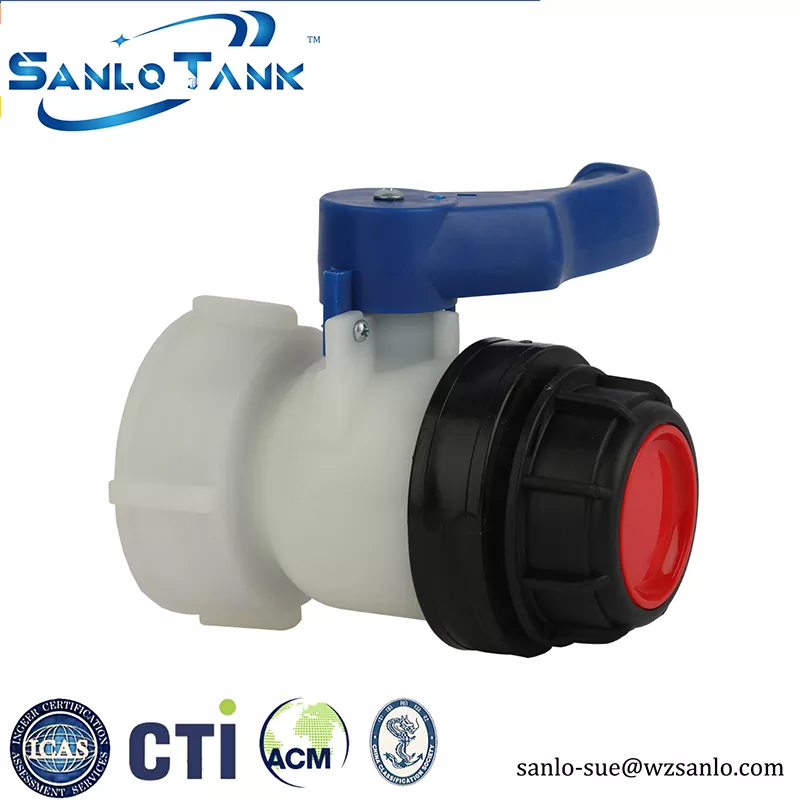
Essential Maintenance Practices for Continuous Operation
The table below outlines critical maintenance actions, their frequency, and performance impact for a DN50 Plastic Integral Ball Valve in constant service.
| Maintenance Task | Recommended Frequency | Key Benefit |
|---|---|---|
| Visual inspection for external cracks or discoloration | Daily | Early detection of chemical attack or UV degradation |
| Cycle test (full open to close) without process pressure | Weekly | Ensures ball and seat movement remains smooth |
| Lubrication of stem seals with compatible PTFE-based lubricant | Every 3 months | Reduces friction and prevents stem leakage |
| Torque check on integral body bolts (if applicable) | Every 6 months | Prevents gradual pressure boundary loss |
| Disassembly and seat/seal replacement | Annually or every 50,000 cycles | Restores original sealing performance |
Beyond scheduled tasks, operators should monitor differential pressure across the DN50 Plastic Integral Ball Valve. A sudden increase often signals debris trapped between the ball and seat, requiring immediate cleaning.
Sanlo recommends maintaining a logbook for each valve, recording cycle counts, fluid temperature, and any abnormal resistance during actuation. This data enables predictive maintenance rather than reactive repairs.
FAQs – DN50 Plastic Integral Ball Valve Common Questions
What are the first signs that my DN50 Plastic Integral Ball Valve needs maintenance?
Increased operating torque, visible weeping from the stem area, or erratic flow control are primary indicators. For Sanlo valves, a sudden 20% rise in handle force typically means seat wear or particle accumulation. Immediate inspection prevents complete failure.
Can I use standard mineral oil lubricants on a DN50 Plastic Integral Ball Valve?
No. Standard mineral oils can degrade PVC, CPVC, or PP materials used in DN50 Plastic Integral Ball Valve constructions. Only use lubricants specifically rated for thermoplastics, such as silicone-based or PTFE greases. Sanlo offers a compatibility chart upon request to avoid chemical incompatibility.
How does continuous operation at elevated temperatures affect maintenance intervals?
For a DN50 Plastic Integral Ball Valve operating above 40°C (104°F), shorten all maintenance intervals by half. At 60°C (140°F), seat elastomers age faster, and torque requirements may double. Sanlo recommends upgrading to PVDF construction for sustained high-temperature service above 80°C.
Extending Life Through Proper Installation and Operation
Even the best maintenance cannot compensate for poor installation. Ensure the DN50 Plastic Integral Ball Valve is installed with proper support – heavy piping should not hang from the valve body. Use full-port designs when handling slurries to minimize erosion. For motorized actuation, Sanlo advises setting torque limits 15% below the valve’s maximum rating to prevent seat over-compression.
Conclusion – Optimize Performance with Sanlo
Adhering to the maintenance practices above will keep your DN50 Plastic Integral Ball Valve operating reliably for years. However, every system has unique demands. Sanlo engineers can help tailor a maintenance schedule specific to your fluid, temperature, and cycle frequency.
Contact us today for a free valve maintenance consultation or to request OEM spare kits for your DN50 Plastic Integral Ball Valve. Visit our website or email [email protected] – our team responds within 24 hours with technical recommendations and pricing.