

What Maintenance Practices Extend the Lifespan of a Groove Rubber Flap Check Valve
2026-03-04
In industrial fluid handling systems, the Groove Rubber Flap Check Valve is critical for preventing backflow and protecting valuable equipment like pumps. However, even the most robust valve from a trusted manufacturer like Gongchuang requires regular upkeep. Neglecting maintenance can lead to premature failure, system downtime, and costly repairs. Below, we outline the professional maintenance practices that ensure longevity and peak performance for your Groove Rubber Flap Check Valve.
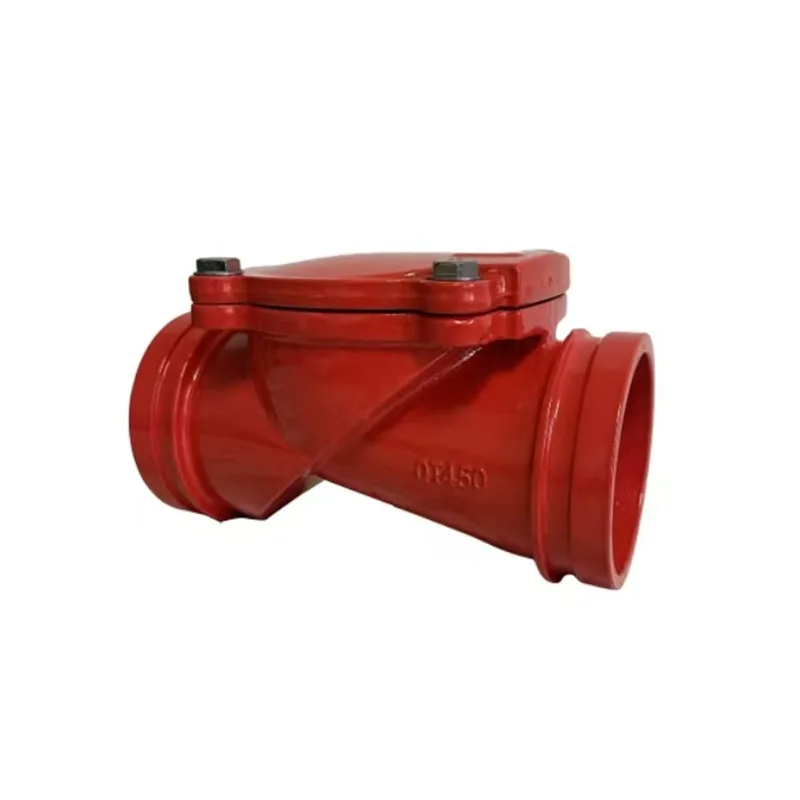
Core Maintenance Strategies
To maximize the operational life of your valve, focus on these three critical areas: routine inspection, cleanliness, and environmental control. The table below breaks down the frequency and purpose of each essential task.
| Maintenance Task | Recommended Frequency | Primary Objective |
|---|---|---|
| Visual External Inspection | Monthly | Check for corrosion, leaks, or physical damage to the body and grooved ends. |
| Flap Mechanism Check | Quarterly | Verify the rubber flap moves freely and seals properly against the seat. |
| System Flush & Cleaning | Bi-Annually | Remove debris, scale, or buildup that could obstruct the flap or impair sealing. |
| Pressure Testing | Annually | Ensure the valve holds backflow pressure without leakage past the seat. |
Detailed Maintenance Protocols
Implementing the following practices will directly contribute to a longer service life:
1. Prioritize Fluid Compatibility
The longevity of the Groove Rubber Flap Check Valve begins with the media it handles. Ensure the fluid type, temperature, and pressure are within the specifications set by Gongchuang. Aggressive chemicals or abrasive slurries can accelerate the degradation of the rubber flap.
2. Conduct Regular Visual Inspections
Routinely examine the valve exterior. Look for signs of stress cracking on the rubber flap or mineral buildup that might prevent the flap from closing fully. A partially open flap is the primary cause of backflow and water hammer.
3. Maintain a Debris-Free Environment
Sediment and debris are the enemies of a check valve. When debris gets lodged between the rubber flap and the seat, it creates a permanent leak path. Flushing the pipeline and installing upstream strainers are highly recommended practices to protect the integrity of your Groove Rubber Flap Check Valve.
Frequently Asked Questions
To further clarify best practices, here are answers to common queries regarding this specific type of valve.
What is the most common cause of failure in a Groove Rubber Flap Check Valve?
The most common cause of failure is debris or foreign objects becoming trapped under the rubber flap. This prevents the valve from sealing completely, leading to constant backflow (leakage) and eventual erosion of the rubber sealing surface. Using a strainer upstream is the most effective preventive measure.
How do I know if the rubber flap needs to be replaced?
You should consider replacing the flap if you notice visible cracks, tears, or permanent deformation (i.e., the flap does not lie flat). Another clear indicator is if you detect backflow or "chattering" in the system, as this suggests the flap is no longer creating a tight seal against the valve seat.
Can a Groove Rubber Flap Check Valve be repaired, or must it be replaced entirely?
One of the key advantages of a Groove Rubber Flap Check Valve is its serviceability. Unlike some traditional check valves, the design often allows for the replacement of the rubber flap itself. You do not necessarily need to replace the entire valve body. Gongchuang offers replacement parts to facilitate this cost-effective repair.
Conclusion
Extending the lifespan of your Groove Rubber Flap Check Valve hinges on proactive maintenance—specifically regular inspections, keeping the system clean, and ensuring the rubber flap is in good condition. By adhering to these professional practices, you safeguard your system against backflow and minimize long-term operational costs.
For high-quality replacement parts or a new, durable Groove Rubber Flap Check Valve, trust the expertise of Gongchuang. Ensure your system operates reliably today.
Contact Us to request a quote or speak with our engineering team about your specific application needs.