

What Maintenance Practices are Recommended for Soft-Sealed Gate Valves?
2026-10-13
A maintenance foreman at a water treatment plant reviews the valve maintenance log. One Soft-Sealed Gate Valve on the raw water intake line has been in service for eight years with only annual greasing and a handwheel replacement. Another valve on the same line failed after 18 months. The failed valve was operated only partially open for most of its life, and the seat was damaged by debris that accumulated in the bonnet. The foreman realizes that the difference is not the valve quality. It is the operating practice and the maintenance routine. This guide explains the maintenance practices that extend the life of soft-sealed gate valves in water and chemical service.
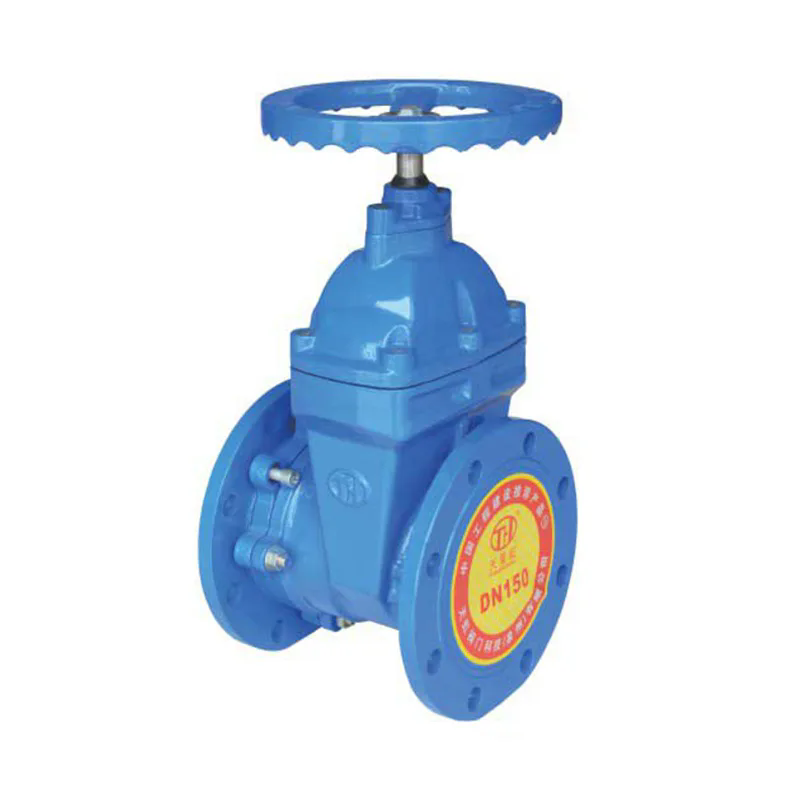
1. Why Is Proper Operation the First Maintenance Practice?
The most common cause of premature Soft-Sealed Gate Valve failure is improper operation. A gate valve is designed to be either fully open or fully closed. It is not a throttling valve. When the valve is partially open, the gate and the seat are exposed to high-velocity flow that causes erosion and vibration. The vibration loosens the stem packing and damages the seat. The table below shows the effect of throttling on valve life.
| Operating position | Flow velocity at gate | Seat wear rate | Expected life |
| Fully open | Low (pipe velocity) | Baseline | 8 – 12 years |
| Fully closed | Zero | None | 8 – 12 years |
| Partially open (50%) | 2 – 3x pipe velocity | 5x baseline | 2 – 3 years |
| Partially open (20%) | 5 – 8x pipe velocity | 15x baseline | 6 – 12 months |
In our factory, we recommend that the Soft-Sealed Gate Valve be operated only in the fully open or fully closed position. If throttling is required, a globe valve or a butterfly valve should be used instead. We also recommend that the valve be opened and closed at least once every three months to prevent the seat from sticking and to distribute the lubricant in the stem nut. Tianhong Valve Technology (Quanzhou) Co., Ltd. has been manufacturing soft-sealed gate valves for over 15 years.
2. What Inspection and Lubrication Schedule Is Recommended?
A regular inspection and lubrication schedule prevents small problems from becoming major failures. The schedule depends on the service conditions. For clean water service, an annual inspection is sufficient. For raw water or chemical service, a semi-annual inspection is recommended. The inspection should include four checks: stem lubrication, packing condition, seat tightness, and handwheel operation. The table below shows the recommended schedule for different services.
| Service condition | Inspection interval | Lubrication interval | Key check |
| Clean water | 12 months | 12 months | Stem nut grease; packing leak |
| Raw water | 6 months | 6 months | Seat debris; bonnet corrosion |
| Chemical (neutral) | 6 months | 6 months | Seat swelling; stem corrosion |
| Chemical (acid/alkali) | 3 months | 3 months | Seat degradation; body corrosion |
The lubrication should be applied to the stem threads and the stem nut. We recommend a lithium-based grease with a temperature range of -20°C to +120°C. The grease should be applied through the grease fitting on the bonnet, if equipped, or by removing the handwheel and applying the grease directly to the stem. In our factory, we provide a lubrication kit with every Soft-Sealed Gate Valve order. The kit includes the recommended grease and a grease gun adapter. Tianhong Valve Technology (Quanzhou) Co., Ltd. also provides a maintenance log template that can be used to track the inspection and lubrication history.
3. How Do You Inspect the Seat for Wear and Damage?
The seat is the most critical component for sealing. In a soft-sealed gate valve, the seat is made from a resilient material such as EPDM, nitrile, or PTFE. The seat can be damaged by debris, erosion, or chemical attack. The inspection should be performed with the valve in the fully closed position and the line depressurized. The inspector should look for four signs of damage: cuts, swelling, hardening, and deformation. The table below shows the visual signs and their causes.
| Visual sign | Probable cause | Action |
| Cuts or tears | Debris trapped between gate and seat | Replace seat; flush line |
| Swelling | Chemical incompatibility | Replace seat with compatible material |
| Hardening | Heat aging or ozone exposure | Replace seat; check temperature |
| Deformation (flat spots) | Over-tightening or excessive cycling | Replace seat; adjust closing torque |
Inspection tip: Before removing the seat for inspection, clean the seat area with a soft brush and clean water. Do not use a wire brush, which can scratch the seat. If the seat is damaged, replace it with the same material and hardness. Do not mix seat materials from different suppliers, as the dimensions may vary. In our factory, we supply replacement seats that are molded to the exact dimensions of our valves.
4. When Should the Valve Be Removed for Major Repair?
Minor maintenance can be performed in line. Major repair requires removing the valve from the pipeline. The decision to remove the valve depends on the condition of the body, the stem, and the seat. The table below shows the criteria for in-line maintenance versus removal.
| Condition | In-line maintenance | Remove for repair |
| Stem packing leak | Yes (tighten or replace packing) | No |
| Seat leak (minor) | Yes (flush and cycle) | No |
| Seat leak (persistent) | No | Yes (replace seat) |
| Stem binding | Yes (lubricate) | No |
| Stem corrosion | No | Yes (replace stem) |
| Body corrosion or cracking | No | Yes (replace valve) |
In our factory, we recommend that the valve be removed for repair if the seat leak cannot be corrected by flushing and cycling, or if the stem shows signs of corrosion or pitting. The valve should also be removed if the body shows signs of corrosion or cracking. Tianhong Valve Technology (Quanzhou) Co., Ltd. offers a repair service for our soft-sealed gate valves. The service includes disassembly, cleaning, inspection, replacement of worn parts, and pressure testing.
Frequently Asked Questions About Soft-Sealed Gate Valve Maintenance
Summary for Maintenance Crews and Plant Operators
Soft-Sealed Gate Valve maintenance is based on three practices: operate the valve fully open or fully closed, inspect and lubricate on a regular schedule, and replace the seat when it shows signs of damage. The inspection interval depends on the service condition, ranging from 3 months for aggressive chemicals to 12 months for clean water. The seat should be inspected for cuts, swelling, hardening, and deformation. If the seat is damaged, it should be replaced with the same material and hardness. By following these practices, maintenance crews can extend the life of soft-sealed gate valves to 8 to 12 years. Tianhong Valve Technology (Quanzhou) Co., Ltd. has been manufacturing soft-sealed gate valves for over 15 years and provides full maintenance support for our customers.
Tianhong Valve Technology (Quanzhou) Co., Ltd. manufactures Soft-Sealed Gate Valve units with EPDM, nitrile, and PTFE seats, in sizes from 2 to 12 inches. We provide lubrication kits, replacement seats, and maintenance log templates for all of our products.