

What is the Difference Between Wafer and Lug Style Butterfly Valves
2025-12-31
Selecting the right butterfly valve is crucial for system efficiency and safety. A common point of confusion is choosing between wafer and lug body styles. Understanding their distinct designs and applications ensures optimal performance and cost-effectiveness for your piping system. At Dafugui, we specialize in providing high-quality industrial valves, and this guide will clarify the key differences to help you make an informed decision.
The core difference lies in how the valve integrates into the pipeline. While both types use a disc that rotates to control flow, their connection methods serve different purposes.
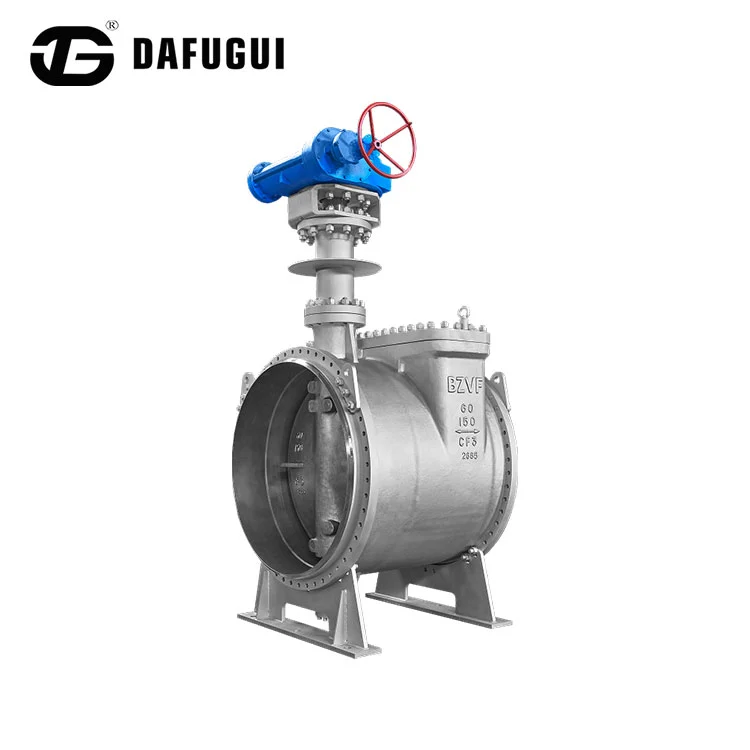
Key Differences at a Glance:
-
Wafer Style: Designed to be "clamped" between two pipe flanges using long bolts that run through the entire assembly. The valve itself has no threaded holes.
-
Lug Style: Features threaded lugs (ears) on the outside of the valve body. Each pipe flange is bolted independently to these lugs.
Detailed Comparison Table:
| Feature | Wafer Style Butterfly Valve | Lug Style Butterfly Valve |
|---|---|---|
| Installation | Sandwiched between flanges; requires disassembly of downstream piping for removal. | Bolted directly to each flange; can be removed independently without disturbing the other side. |
| Dead-End Service | Not suitable. Cannot support downstream piping alone. | Suitable. The lug design allows it to hold weight, enabling isolation of a section. |
| Weight & Cost | Lighter and generally more economical. | Slightly heavier and often higher in cost due to more material and machining. |
| Common Applications | In-line systems where isolation isn't needed for maintenance, general flow control. | Systems requiring frequent maintenance, end-of-line services, or where dead-end capability is needed. |
In summary, choose a wafer butterfly valve for cost-effective, space-saving in-line applications. Opt for a lug butterfly valve when you need to isolate a section of piping for maintenance or for end-of-line service. Dafugui offers a comprehensive range of both styles, ensuring you find the perfect fit for your pressure and media requirements.
Butterfly Valves FAQ
Q: Can a wafer-style butterfly valve be used at the end of a pipeline?
A: No, it cannot. Wafer-style valves rely on the clamping force from both adjacent pipe flanges to seal and maintain position. Without a downstream flange, it cannot seal properly and may be dislodged by system pressure.
Q: Which style is easier to install and maintain?
A: Wafer valves are often easier to install in new systems as they are simply positioned between flanges. However, lug valves are significantly easier for maintenance, as a single section can be isolated and the valve removed without dismantling the entire pipeline run, minimizing downtime.
Q: Are lug-style valves always more expensive than wafer-style?
A: Generally, yes. The additional casting material and machining required for the threaded lugs contribute to a higher cost. For standard applications without the need for dead-end service, a wafer butterfly valve from Dafugui provides reliable performance at a lower total cost.
Still unsure which butterfly valve style is right for your specific application? Our engineering team at Dafugui is ready to assist. We provide expert guidance to ensure you select the most reliable and efficient valve for your system. Contact us today for a personalized consultation or to request a quote for our durable and high-performance butterfly valves.