

What Is the Difference Between a Floating and Trunnion-Mounted Cast Steel Flanged Ball Valve
2026-10-29
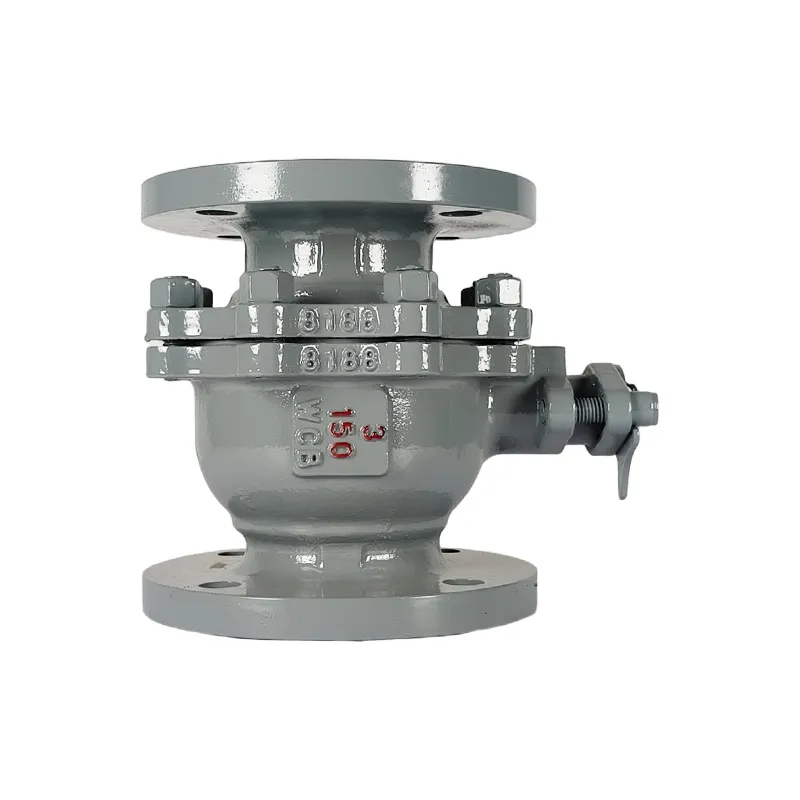
When specifying a Cast Steel Flanged Ball Valve for industrial piping, engineers often face a critical decision: floating or trunnion-mounted construction. At Xiangzheng, we manufacture both designs, and the choice directly affects torque requirements, sealing performance, service life, and cost. Understanding how each design works under pressure helps you select the right valve for your application the first time.
How the Two Designs Work
Floating ball valves rely on line pressure to push the ball downstream against the seat, creating a tight seal. The ball is not mechanically anchored, so it "floats" between two seats. This design is simple, compact, and cost-effective, but operating torque rises significantly as pressure and valve size increase.
Trunnion-mounted ball valves anchor the ball at top and bottom via trunnions. The ball rotates in place without being pushed downstream, and the seats are typically spring-loaded to maintain contact. This design keeps torque low and stable across a wide pressure range and is preferred for large sizes and high-pressure service.
Key Differences at a Glance
| Feature | Floating Ball Valve | Trunnion-Mounted Ball Valve |
|---|---|---|
| Ball support | Supported by seats only | Anchored by top and bottom trunnions |
| Operating torque | Rises with pressure and size | Low and consistent |
| Typical size range | Small to medium (up to ~DN200) | Medium to large (DN150 and above) |
| Pressure capability | Moderate | High (Class 600 and above) |
| Seat design | Seat loaded by line pressure | Spring-loaded seats |
| Actuation | Manual or small actuators | Large actuators, automated systems |
| Cost | Lower | Higher |
| Best fit | General isolation, smaller lines | High-pressure, large-diameter, critical service |
Selection Criteria for Cast Steel Flanged Ball Valve Applications
Use the following checklist when deciding between the two designs:
-
Line size: Choose floating for smaller diameters; trunnion-mounted for large bore.
-
Pressure class: Floating suits low to moderate pressure; trunnion-mounted handles high pressure with lower torque.
-
Actuation: Trunnion-mounted valves reduce actuator size and cost in automated service.
-
Sealing requirement: Both offer tight shutoff, but trunnion-mounted designs maintain seat contact more reliably under extreme conditions.
-
Budget: Floating valves are more economical for standard duty.
Xiangzheng supplies both configurations in carbon steel and low-temperature steel, with flanged ends to ASME B16.5 and testing to API 598.
Frequently Asked Questions
Q: Can a floating ball valve be used in high-pressure service?
A: Yes, but with limits. As pressure rises, the upstream pressure forces the ball harder against the downstream seat, which increases operating torque and seat wear. For high-pressure classes and larger sizes, a trunnion-mounted design is more reliable and easier to actuate.
Q: Which design offers better sealing performance?
A: Both achieve tight shutoff when properly specified. Floating valves seal well in smaller sizes and moderate pressure because line pressure assists the seal. Trunnion-mounted valves use spring-loaded seats that maintain contact regardless of pressure direction, making them more dependable in large-diameter and high-pressure Cast Steel Flanged Ball Valve service.
Q: When should I choose a trunnion-mounted valve over a floating one?
A: Select trunnion-mounted construction when line size exceeds roughly DN200, when pressure class is Class 600 or higher, when actuation is required, or when the valve must operate frequently in critical isolation service. For smaller, lower-pressure lines, a floating design delivers reliable performance at lower cost.
Final Thoughts
The right choice between floating and trunnion-mounted comes down to size, pressure, actuation, and duty cycle. Matching the design to the application protects your system and controls total cost of ownership.
Contact Xiangzheng today to discuss your Cast Steel Flanged Ball Valve requirements with our engineering team and receive a tailored selection and quotation.