

What Is a Gate Valve?
2026-01-19
Abstract: Gate valves are essential components in fluid handling systems across industries. This article provides a detailed explanation of what a gate valve is, how it works, the differences between common types, selection considerations, installation best practices, maintenance strategies, and common troubleshooting. It aims to address common pain points for engineers, procurement specialists, and facility managers seeking reliable valve solutions that deliver performance, longevity, and cost efficiency.
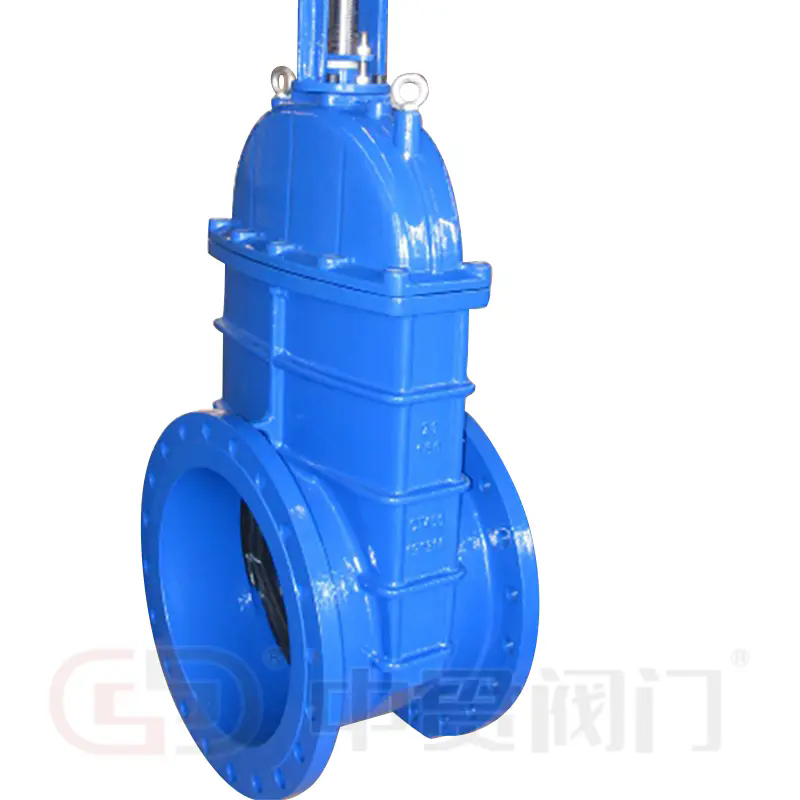
Table of Contents
- Gate Valve Overview
- How Gate Valves Work
- Common Types of Gate Valves
- How to Choose the Right Gate Valve
- Installation Best Practices
- Maintenance and Troubleshooting
- Frequently Asked Questions
- Conclusion and Contact Us
Gate Valve Overview
Gate valves are mechanical devices designed to start or stop the flow of liquids or gases in a pipeline. Unlike other valve types, gate valves primarily provide an unobstructed straight-through passage, minimizing flow resistance when fully open. They are widely used in water treatment, oil and gas, petrochemical, power generation, and industrial processing facilities.
- Main Function: On/off control of fluid flow.
- Typical Materials: Cast iron, ductile iron, carbon steel, stainless steel, alloy steel, bronze/brass.
- Pressure Ratings: From low pressure (Class 125) to high pressure (Class 2500) designs.
Engineers often select gate valves where full bore flow is required, minimal pressure drop is desired, and throttling is not critical.
How Gate Valves Work
Gate valves control fluid flow by moving a flat or wedge-shaped gate perpendicular to the direction of flow. The gate moves up to allow flow and down to block it.
| Component | Function |
|---|---|
| Valve Body | Contains the internal components and connects to the pipeline. |
| Gate/Disc | Blocks or allows fluid flow depending on position. |
| Stem | Transmits motion from actuator/handwheel to the gate. |
| Seat | Seals against the gate to prevent leakage. |
| Bonnet | Covers the valve’s internal parts and provides a leak-tight closure. |
Gate valves provide low resistance to flow when fully open, making them suitable for applications that demand full bore service. However, they are not typically used for flow modulation, as partial opening can cause vibration and accelerated wear.
Common Types of Gate Valves
Gate valves are available in several configurations to suit application requirements:
- Wedge Gate Valve: Single or double wedge design offering tight sealing in various conditions.
- Parallel Gate Valve: Uses parallel discs with spring-loaded wedges for enhanced sealing in slurry services.
- Rising Stem Gate Valve: Stem visibly rises during operation, providing clear position indication.
- Non-Rising Stem Gate Valve: Stem does not move outward, making it suitable for tight spaces.
- Electric/Actuated Gate Valve: Integrated actuators for automated control in remote or precision applications.
Selecting the correct type depends on fluid characteristics, temperature, pressure, and required service life.
How to Choose the Right Gate Valve
Consider the following factors when selecting a gate valve:
| Selection Criteria | Description |
|---|---|
| Fluid Type | Chemical composition, abrasiveness, viscosity, and cleanliness impact material and design choices. |
| Operating Pressure and Temperature | Ensure the valve’s rating matches system conditions to prevent premature failure. |
| Size and Bore Requirements | Full bore vs. reduced bore affects flow and installation footprint. |
| Actuation Method | Manual handwheel, electric, pneumatic, or hydraulic actuation based on application needs. |
| Material Compatibility | Select materials that resist corrosion, erosion, and chemical attack. |
Misalignment between valve specification and system demands is a common pain point that leads to leaks, malfunction, and costly downtime. Selecting the right valve upfront can significantly improve reliability and reduce total cost of ownership.
Installation Best Practices
Proper installation ensures performance and longevity. Key points include:
- Verify pipeline alignment and support to prevent unnecessary stress on the valve body.
- Install valve in correct orientation with flow direction indicated (if applicable).
- Avoid excessive torque during flange bolt tightening to maintain sealing integrity.
- Test the system hydrostatically after installation to confirm leak-free performance.
Incorrect installation is a frequent cause of early valve failure. Following manufacturer recommendations and industry standards mitigates many issues before they occur.
Maintenance and Troubleshooting
Regular inspection and preventive maintenance extend service life and reduce unplanned outages. Standard maintenance practices include:
- Periodic operation to avoid sticking or seizing in long idle periods.
- Lubrication of moving parts according to manufacturer guidance.
- Leak detection and seat inspection during shutdowns.
- Replace worn seals or packing to maintain leak-tight performance.
Common issues and corrective actions:
- Leakage at Packing: Tighten gland nuts or replace packing.
- Gate Not Fully Closing: Inspect for debris, damaged seating, or misalignment.
- Excessive Actuation Torque: Check for corrosion, inadequate lubrication, or internal obstruction.
Frequently Asked Questions
What is the difference between gate valves and globe valves?
Gate valves are primarily used for on/off control with minimal pressure loss, while globe valves are more suited to flow regulation due to their design.
Can gate valves be used for throttling?
Gate valves are not recommended for throttling because partial opening causes turbulence, vibration, and accelerated wear.
How often should gate valves be serviced?
Service frequency depends on operating conditions, but routine checks every six months are a practical starting point for most industrial environments.
Conclusion and Contact Us
Gate valves are foundational components in industrial fluid systems, offering robust on/off control with minimal flow restriction. Understanding how they operate, how to select the right type, proper installation, and preventive maintenance helps resolve common pain points related to performance, reliability, and lifecycle costs. Whether you are upgrading an existing system or specifying valves for new construction, thoughtful selection and best practices deliver measurable benefits.
Zhongguan’s gate valve solutions combine durable materials, engineering precision, and rigorous quality control to support demanding industrial applications. For tailored valve recommendations, pricing, and support, contact us today and let our technical team assist you in optimizing your fluid control systems.