

What Installation Considerations Are Essential For Wedge Gate Valves
2026-01-07
Proper installation is paramount to ensuring the long-term reliability and optimal performance of any industrial valve. This is especially true for Wedge Gate Valves, whose precise sealing mechanism depends heavily on correct alignment and setup. As a leader in precision valve manufacturing, JQF understands that overlooking key installation steps can lead to premature wear, leakage, and operational failure. This guide outlines the critical considerations to ensure your Wedge Gate Valves function flawlessly for years to come.
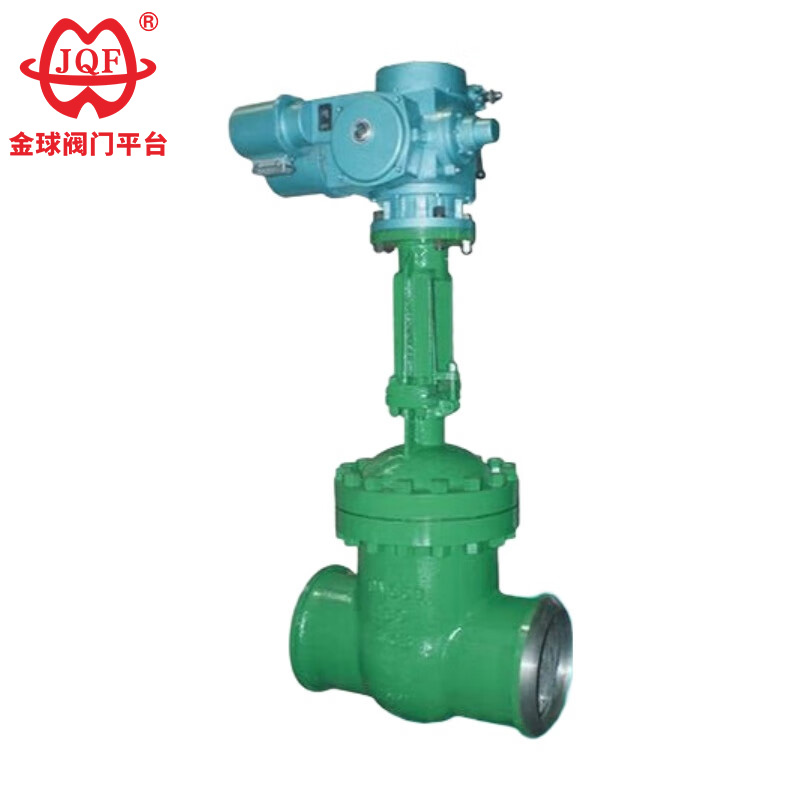
A successful installation begins long before the valve is placed in the line. Key pre-installation and procedural steps include:
-
Pre-Installation Inspection: Thoroughly inspect the valve for any shipping damage, clean the bore and flanges, and verify the material specification matches the service requirements (e.g., JQF's CS, SS, or alloy constructions).
-
Pipeline Preparation: Ensure the connecting piping is properly aligned and free of weld slag, scale, or debris that could damage the seating surfaces.
-
Orientation & Placement: Wedge Gate Valves are directional. The valve must be installed with the stem vertical or within a recommended offset (consult manufacturer specs). Incorrect orientation can cause improper seating and guide wear.
-
Bolt Torquing: Follow a cross-pattern bolting sequence with a calibrated torque wrench. Under-torquing can cause leaks; over-torquing may warp the valve body or bonnet.
-
Post-Installation Testing: Never seat the wedge under pressure during initial operation. Cycle the valve fully open and closed several times under system pressure to self-align the wedge and disc before putting it into regular service.
The following table compares critical dos and don'ts for installers:
| Do's | Don'ts |
|---|---|
| Use lifting equipment on the valve body lugs, not the handwheel or actuator. | Use the valve as a support for piping or install it under tension. |
| Install with adequate clearance for full operation and future maintenance. | Jam or force the valve into place if piping is misaligned. |
| Protect the stem threads and apply recommended lubricant during installation. | Leave protective end caps on during pressure testing or operation. |
Wedge Gate Valves FAQ
What is the correct stem orientation for installing a Wedge Gate Valve
The ideal orientation is with the stem vertical. This allows gravity to assist in the wedge's retraction and prevents side-loading. If vertical installation is impossible, consult JQF's technical data for the maximum allowable stem deviation.
Can debris affect a Wedge Gate Valve's operation
Absolutely. Foreign particles trapped in the valve body can score the seating surfaces, preventing a tight seal and causing leaks. Always flush the pipeline before installing the valve and ensure the immediate environment is clean during installation.
Why should you avoid using excessive force to close a Wedge Gate Valve
Wedge Gate Valves are designed to seal with a precise metal-to-metal fit. Applying excessive force via the handwheel can gall or distort the wedge and seats, creating a permanent leak path. If the valve does not seal easily, investigate for debris or misalignment instead of forcing it.
Ensuring your Wedge Gate Valves are installed correctly is the first and most crucial step toward achieving safe and efficient system operation. By adhering to these professional guidelines and leveraging the engineered durability of JQF valves, you maximize your investment and minimize downtime. For project-specific installation support or to explore our certified range of high-performance Wedge Gate Valves, our engineering team is ready to assist. Contact us today for expert consultation and technical documentation.