

What Factors Should You Consider When Selecting a Telescopic Gate Valve
2026-02-25
Selecting the right Telescopic Gate Valve is critical for ensuring the long-term efficiency and safety of your piping system, particularly in demanding applications like sewage treatment and industrial wastewater management. As a leading manufacturer, Tianhong understands that the wrong choice can lead to costly leaks, frequent maintenance, and system downtime. This guide outlines the essential factors engineers and procurement specialists must evaluate to make an informed decision.
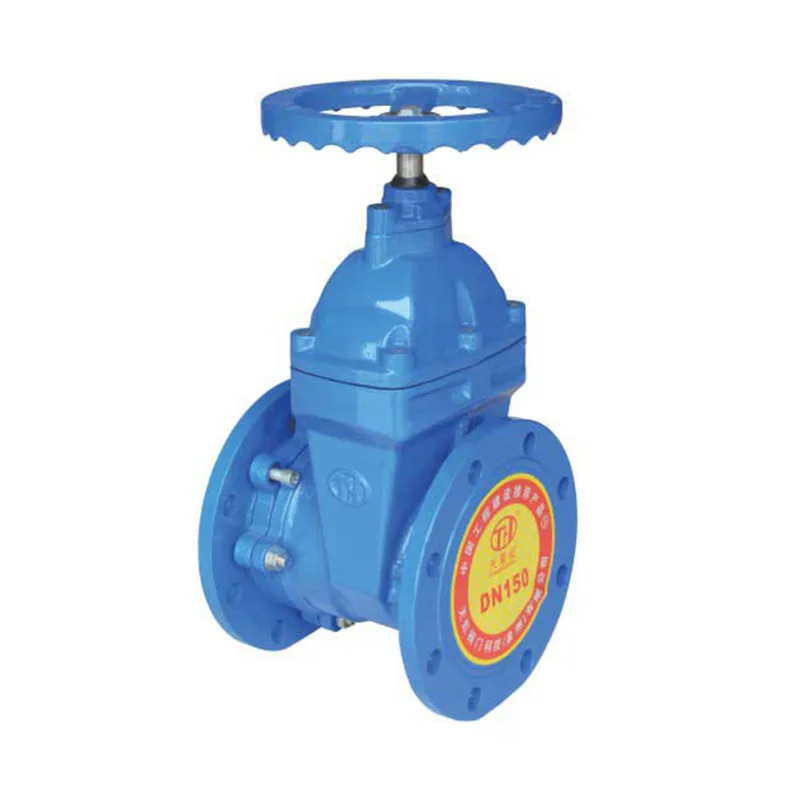
1. Media Compatibility and Material Selection
The type of fluid being handled is the primary factor in valve longevity. For corrosive sewage or chemical wastewater, a standard valve will fail prematurely. Tianhong offers Telescopic Gate Valve models in various materials, including ductile iron for general use, and 304/316 stainless steel for aggressive, acidic environments. The valve body should also feature anti-corrosion coatings to withstand harsh conditions.
2. Pressure and Temperature Ratings
Every application has unique pressure and temperature demands. You must verify that the valve"s pressure rating (e.g., PN10, PN16, PN25) aligns with your system"s maximum operating pressure. Similarly, the sealing material dictates the temperature range—EPDM seals, for instance, typically handle up to 120°C, while NBR is suitable for lower temperatures -1. Tianhong valves are designed to meet stringent standards, with options customizable up to PN40.
3. The Critical Role of the Telescopic Mechanism
The defining feature of this valve is its ability to compensate for pipe deformation. When selecting a valve, consider the required axial adjustment range to accommodate thermal expansion, contraction, or minor foundation settlement. This feature prevents damaging stress on the pipeline flanges and ensures a stable connection over time.
4. Certification and Standards Compliance
To guarantee safety and reliability, always check for industry certifications. Tianhong holds ISO 9001, ISO 14001, and OHSAS 18001 certifications, ensuring products meet global quality and environmental standards. Furthermore, specific approvals like WRAS (Water Regulations Approval Scheme) for the UK market indicate the valve is safe for potable water and meets strict regulatory requirements.
Comparison of Key Selection Criteria
| Criterion | Standard Requirement | Tianhong Advantage |
|---|---|---|
| Material | Carbon Steel / Cast Iron | Ductile Iron, SS304, SS316 for high corrosion resistance |
| Sealing | Standard Packing | Double-layer composite (soft + hard seal) for zero leakage |
| Compliance | Basic ISO | TS License, ISO 9001, 14001, 45001, and WRAS approvals |
| Adaptability | Fixed Length | Built-in telescopic sleeve to compensate pipeline deformation |
Frequently Asked Questions About Telescopic Gate Valves
What makes a Telescopic Gate Valve different from a standard gate valve?
A standard gate valve is designed solely to start or stop the flow of media. In contrast, a Telescopic Gate Valve integrates an additional telescopic sleeve into its structure. This built-in mechanism allows the valve to adjust its overall length axially. This unique design helps absorb pipeline stress caused by thermal expansion, contraction, or installation misalignment, protecting the entire system from damage while maintaining a bi-directional, leak-proof seal.
How do I prevent a Telescopic Gate Valve from getting stuck in a sewage application?
Blockages or sticking are often caused by impurities or sludge building up in the mechanism. To prevent this, implement a regular maintenance schedule. This includes periodically cleaning the filter upstream to reduce debris entering the valve. For the telescopic sleeve itself, it is recommended to clean and apply a special anti-corrosion lubricating grease to the guide parts every three months, or more frequently depending on the sewage quality. If the valve stem feels stuck, it may need to be cleaned and inspected for corrosion.
Can a Telescopic Gate Valve handle industrial wastewater containing acid?
Yes, but material selection is crucial. You must specify a valve built to withstand chemical corrosion. For acidic or alkaline industrial wastewater, a Telescopic Gate Valve constructed from stainless steel (such as SS304 or SS316) is required, rather than standard cast iron. Additionally, the sealing components should be made from chemical-resistant materials like EPDM or specialized alloys to prevent degradation and ensure long-term sealing performance.
Conclusion
Selecting the correct Telescopic Gate Valve involves a careful assessment of media type, pressure needs, and the specific mechanical benefits of the telescopic design. With certified quality, advanced materials, and a focus on low-maintenance operation, Tianhong provides solutions engineered to meet the challenges of modern water and wastewater systems.
Contact Us
Ready to find the perfect Telescopic Gate Valve for your project? Contact our engineering team today for expert technical support and a detailed quote.