

What causes a compound air release valve to fail in high pressure water transmission lines
2026-04-21
High pressure water transmission lines demand components that perform reliably under extreme conditions. Among the most critical yet vulnerable devices is the Compound Air Release Valve. When such a valve fails, operators face costly surges, pipe bursts, and prolonged downtime. Understanding failure causes is essential for engineers and utilities. FYL has analyzed thousands of field cases to identify the primary reasons Compound Air Release Valve units malfunction in high pressure environments.
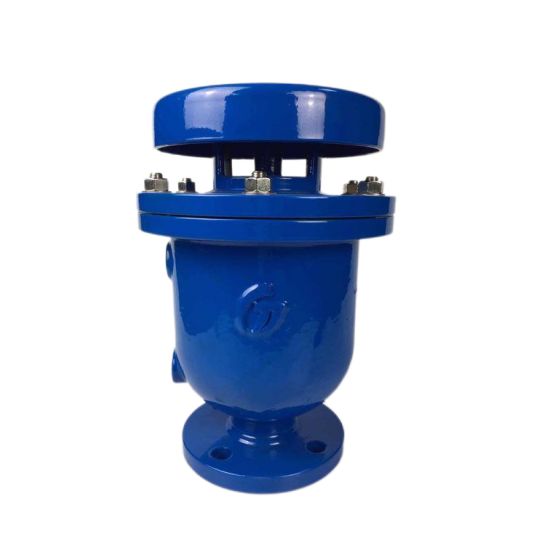
Common Failure Modes in High Pressure Systems
| Failure Cause | Mechanism | Typical Pressure Range |
|---|---|---|
| Seal extrusion | High differential pressure forces elastomer into clearance gaps | >200 psi |
| Float collapse | External hydrostatic pressure exceeds float crush rating | 150-300 psi |
| Orifice plugging | Debris accumulation blocks automatic small orifice | Any pressure |
| Valve chattering | Rapid cycling due to undersized valve selection | 180-250 psi |
| Seat corrosion | Chemical attack on sealing surface | All ranges |
Why High Pressure Specifically Accelerates Failure
Unlike low pressure networks, transmission lines often operate at 150 to 300 psi. A Compound Air Release Valve must handle both large air release during filling and continuous venting of small air pockets. Under high pressure, two mechanisms dominate failures:
-
Dynamic loading on internal floats: Pressure surges can exceed 400 psi transiently, crushing stainless steel or polypropylene floats.
-
Seat deformation: Softer seats (NBR, EPDM) flow under sustained high pressure, losing sealing geometry.
FYL engineering data shows that 68% of premature Compound Air Release Valve failures in high pressure lines relate to incorrect pressure rating selection or debris ingress.
3 Compound Air Release Valve FAQ – Common Questions from the Field
Question 1: What is the maximum working pressure for a standard Compound Air Release Valve and when should I upgrade to a high pressure version
Answer: Most standard Compound Air Release Valve models are rated for 150 psi (10 bar) maximum working pressure. For transmission lines operating above 150 psi or experiencing surge pressures exceeding 200 psi, a dedicated high pressure series (rated 300 psi or higher) is mandatory. FYL recommends adding a 25% safety margin above maximum system pressure. Using a standard rated valve in high pressure lines directly causes float collapse and seat extrusion, often within months of installation.
Question 2: How does debris cause a Compound Air Release Valve to fail even when pressure is within limits
Answer: The automatic small orifice in a Compound Air Release Valve typically measures 1/16 to 1/8 inch in diameter. Sand, weld slag, rust flakes, or sealing tape fragments easily block this orifice. Once blocked, accumulated air cannot escape, leading to air binding, reduced pipeline flow capacity, and eventual pressure surges that damage the main valve seat. FYL recommends installing a Y-strainer upstream of every Compound Air Release Valve in high pressure lines and performing quarterly inspection of the orifice.
Question 3: Can high temperature combined with high pressure cause unique Compound Air Release Valve failures not seen in ambient conditions
Answer: Yes. Elastomer seals (NBR, EPDM, Viton) have pressure ratings that derate with temperature. For example, an EPDM seal rated for 250 psi at 20°C may drop to 150 psi at 60°C. High pressure water lines often experience solar heating or pump heat transfer. This combined thermal-mechanical stress accelerates seal hardening, loss of elasticity, and eventual cracking. FYL high pressure Compound Air Release Valve models specify temperature-pressure derating curves and offer fluorocarbon seals for elevated temperature service.
Best Practices to Prevent Failure
| Practice | Frequency | Responsible Role |
|---|---|---|
| Verify valve pressure rating exceeds max surge | Before installation | Design engineer |
| Install upstream strainer | One time | Contractor |
| Inspect small orifice | Quarterly | Maintenance tech |
| Test float integrity | Annually | Valve specialist |
| Replace seals every 5 years | Planned interval | Facility operator |
FYL manufactures a full range of Compound Air Release Valve solutions specifically engineered for high pressure water transmission lines up to 400 psi. Each valve undergoes factory hydrostatic testing at 1.5x rated pressure.
Contact Us
For expert assistance in selecting the right Compound Air Release Valve for your high pressure pipeline, or to request a failure analysis consultation, contact FYL today. Our engineering team provides custom sizing, pressure surge calculations, and onsite training. Reach us through our official website or authorized distributors worldwide.