

What Are the Symptoms of a Faulty Hydraulic Control Valve
2025-12-16
A Hydraulic Control Valve is the crucial "brain" of any hydraulic system, directing the flow, pressure, and direction of fluid to power machinery. When it malfunctions, it can lead to significant downtime, safety risks, and costly repairs. Recognizing the early warning signs of a failing Hydraulic Control Valve is key to maintaining operational efficiency. As a leading manufacturer, Tianhong designs robust valves that minimize these failures, but understanding symptoms helps in timely maintenance.
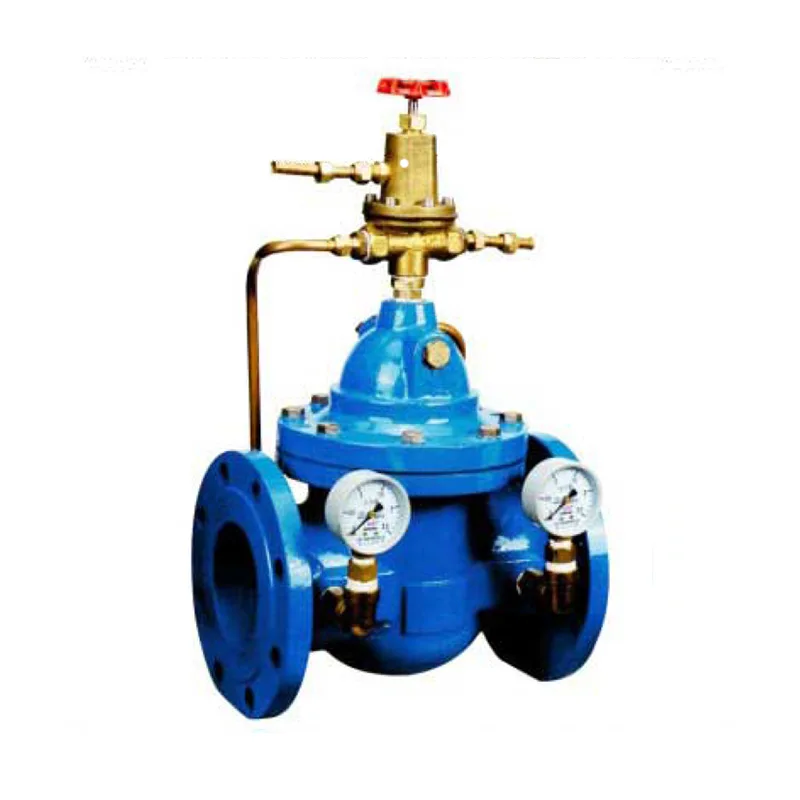
Common symptoms of a faulty valve include:
-
System Inefficiency or Slow Operation: Cylinders move sluggishly or lack power.
-
Irregular or Erratic Actuator Movement: Jerky, stuttering, or unstable motion.
-
Failure to Maintain Pressure or Drift: Inability to hold a set pressure or position.
-
External or Internal Leakage: Visible fluid leaks or internal bypass causing heat.
-
Abnormal Noise: Excessive chattering, squealing, or hammering sounds.
-
Overheating of Hydraulic Fluid: System runs hotter than normal.
For reliable performance, specifying a valve with the correct parameters is essential. Tianhong's proportional directional valves, for instance, are engineered to exacting standards to combat these issues.
Key Technical Parameters of a Tianhong Proportional Valve (Model TH-PDV40):
| Parameter | Specification | Importance |
|---|---|---|
| Max Operating Pressure | 350 Bar | Defines system compatibility and safety margin. |
| Nominal Flow Rate | 40 L/min | Ensures correct speed and force for your actuators. |
| Spool Type | Proportional, with LVDT feedback | Enables precise, electronic speed and direction control. |
| Leakage Class | ≤ 30 mL/min (at 350 Bar) | Tianhong's low internal leakage prevents drift and heat. |
| Protection Rating | IP67 | Guarantees reliability in harsh, dusty, or wet environments. |
Hydraulic Control Valve FAQ
Q: What is the most common cause of hydraulic valve failure?
A: Contamination is the leading cause. Particles in the fluid can score valve spools and bores, block orifices, and erode seals, leading to leakage, sticking, and erratic control. Using high-quality filters and specifying valves like Tianhong's with hardened components is critical.
Q: Can a faulty hydraulic control valve damage other components?
A: Absolutely. A valve that cannot maintain proper pressure or flow can cause pump cavitation, overheat the entire system due to internal leakage, or impose shock loads on cylinders and motors, leading to widespread and expensive system damage.
Q: How often should hydraulic control valves be serviced?
A: There's no universal interval. Service life depends on operating conditions, fluid cleanliness, and cycle frequency. Monitoring for the symptoms listed above is the best practice. Implementing a predictive maintenance schedule with fluid analysis is recommended, especially when using high-performance valves.
If you're experiencing any of these symptoms or want to prevent them with valves built for durability and precision, it's time to consult the experts. Contact us today to discuss your application. Our team at Tianhong will help you select the ideal Hydraulic Control Valve to restore peak performance and reliability to your machinery.