

What Are the Maintenance Procedures for a Typical Standard Valve
2026-02-04
Ensuring the long-term reliability and safety of your piping systems hinges on the proper care of its core components. A Standard Valve, whether it's a gate, globe, or check valve, requires a consistent maintenance regimen to prevent failure, leakage, and costly downtime. At Tianhong, we combine decades of engineering expertise with premium manufacturing to produce durable Standard Valve solutions, and we believe that informed maintenance is key to maximizing valve lifecycle. This guide outlines essential professional procedures to keep your valves operating at peak performance.
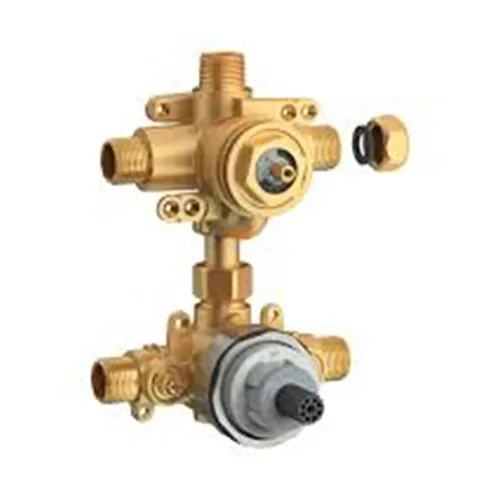
A systematic maintenance approach involves inspection, servicing, and testing. Follow this core checklist:
-
Regular Visual and Operational Inspection: Look for external signs of corrosion, leakage at the stem or body joins, and any physical damage. Operate the valve through its full cycle to check for stiffness, binding, or unusual noise.
-
Cleaning and Lubrication: Keep the valve exterior clean from dirt and debris. Periodically apply the manufacturer-recommended lubricant to the stem threads and packing to ensure smooth operation and prevent seizing.
-
Packing and Gasket Replacement: If stem leakage is detected (under permitted limits), the packing gland may need adjustment. For continued leakage, the packing set or body gaskets should be replaced using a Tianhong-approved kit to ensure compatibility.
-
Internal Component Check: During scheduled system shutdowns, disassemble valves if possible to inspect internal parts like the seat, disc, and seal for wear, erosion, or pitting. Replace any worn components promptly.
-
Functional Testing: After any maintenance, perform a pressure test to verify the valve's sealing integrity in both the open and closed positions.
The frequency of maintenance depends heavily on service conditions. The table below provides a general guideline:
| Service Condition | Recommended Inspection Interval | Key Maintenance Focus |
|---|---|---|
| Clean, Non-Corrosive Media | Annually | Lubrication, operational check |
| Abrasive or Slurry Service | Quarterly | Internal wear inspection, cleaning |
| High-Pressure/Temperature | Semi-Annually | Gasket and packing integrity, torque check |
| Cyclic (Frequent Operation) | Monthly | Stem and actuator lubrication, wear assessment |
Standard Valve FAQ
Q: How often should I lubricate my standard valve?
A: The lubrication interval varies. For valves in regular service, lubricate every 3 to 6 months. For valves in harsh environments or those operated infrequently, lubricate at least every month or before each operation. Always refer to the specific Tianhong valve manual for the recommended lubricant type and schedule.
Q: What is the most common sign that a standard valve needs maintenance?
A: The most common and visible sign is external leakage from the stem packing or the body bonnet joint. Difficulty in operating the handwheel (excessive torque) or unusual sounds during opening/closing are also clear indicators that immediate inspection and maintenance are required.
Q: Can I use generic replacement parts for my valve during maintenance?
A: It is strongly discouraged. Using non-OEM parts can compromise valve performance, void warranties, and lead to safety risks. Tianhong genuine spare parts are engineered to exact specifications, ensuring perfect dimensional fit, material compatibility, and sealing integrity for optimal and safe valve function.
Proper maintenance is not just a task; it's an investment in system safety and efficiency. By adhering to these procedures and using genuine components, you extend the service life of your Standard Valve installations significantly.
Contact us today at Tianhong! Our technical support team is ready to provide you with detailed maintenance manuals, Tianhong-branded repair kits, and expert advice tailored to your specific valve models and operating conditions. Let us partner with you to ensure your operations run smoothly and reliably.