

What Are the Main Maintenance Procedures for Extending a Butterfly Valve's Service Life
2026-01-07
As a cornerstone of modern fluid control systems, ensuring the longevity of your butterfly valves is critical for operational efficiency and cost savings. At Dafugui, with decades of industry expertise, we understand that proactive maintenance is far more economical than emergency repairs. Proper care not only prevents unexpected downtime but also safeguards your entire piping system's integrity. This guide outlines the essential maintenance procedures to maximize the service life of your Butterfly Valves.
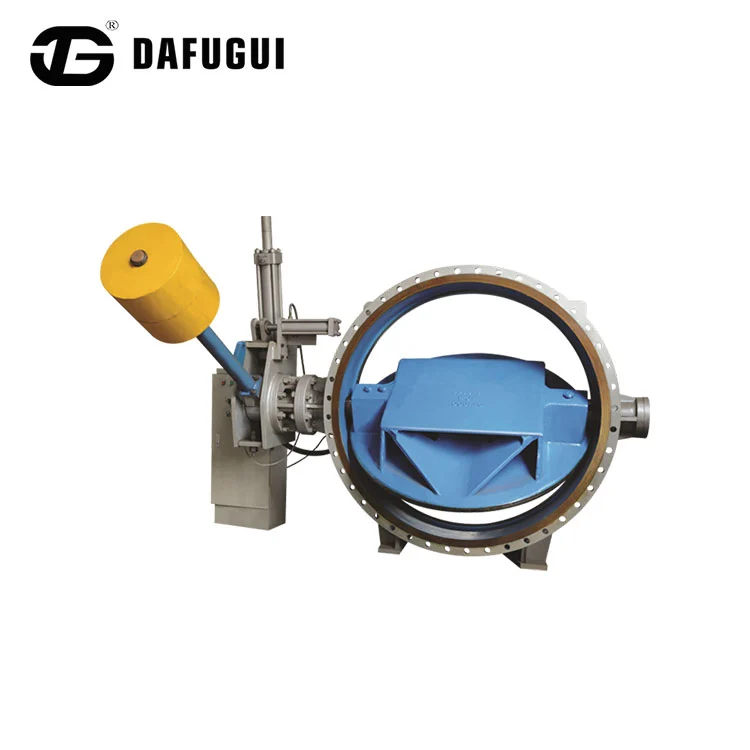
A successful maintenance program for Butterfly Valves revolves around four core pillars: Regular Inspection, Proper Cleaning, Systematic Lubrication, and Functional Testing. Adhering to this structured approach will ensure optimal performance for years.
-
Regular Visual and Operational Inspections: Schedule routine checks for signs of external corrosion, leakage around the stem or body, and any physical damage to the disc or liner. Operate the valve through its full cycle to ensure smooth movement without binding.
-
Thorough Cleaning Procedures: Keep the valve body and disc free from pipeline sediment, scale, or debris that can compromise the seat seal. For valves in sensitive processes, ensure cleaning agents are compatible with valve materials.
-
Stem and Seat Lubrication: Apply manufacturer-recommended lubricant to the stem periodically to prevent seizing and corrosion. For certain high-performance designs, lubricating the seat ring may also be specified to maintain an optimal seal.
-
Torque and Seal Verification: Verify that the actuator torque is within specification—excessive torque can damage the seat, while insufficient torque can cause leakage. Inspect the elastomeric seat for wear, cracks, or permanent deformation.
The following table summarizes key maintenance intervals and actions:
| Frequency | Maintenance Action | Key Purpose |
|---|---|---|
| Monthly | Visual inspection & operational check | Identify early signs of wear or leakage. |
| Quarterly | Stem lubrication & external cleaning | Prevent stem corrosion and ensure easy operation. |
| Annually | Comprehensive disassembly, internal cleaning, seat inspection | Perform in-depth assessment and prevent major failures. |
| As Needed | Actuator calibration & torque verification | Ensure proper closing force and seating. |
Butterfly Valves FAQ常见问题大全
Q: How often should I completely disassemble my butterfly valve for maintenance?
A: A full disassembly for internal inspection and cleaning is generally recommended annually. However, this interval depends heavily on the service conditions—valves in abrasive or continuous service may require more frequent internal checks.
Q: Can I use any grease to lubricate my valve stem?
A: No. It is crucial to use the lubricant specified by the valve manufacturer. Using incompatible grease can degrade stem seals, attract debris, or fail under process temperatures, leading to stem seizure and failure.
Q: What is the most common cause of premature failure in butterfly valves?
A: Improper installation and misalignment are leading causes. Installing a wafer-style valve under tension or misaligning the pipeline can distort the valve body, preventing the disc from seating properly and causing immediate leakage and accelerated seat wear.
Extending the life of your Butterfly Valves is a straightforward process when you follow a disciplined maintenance schedule. Using high-quality valves from the start simplifies this process immensely. Dafugui valves are engineered for durability and ease of maintenance, featuring robust materials and precise machining that stand up to demanding applications.
Contact us today to discuss your specific needs. Let our Dafugui experts help you select the perfect butterfly valve for your system and provide you with a detailed maintenance protocol to ensure decades of reliable service.