

What Are the Common Signs of Wear in an Autocrane Hydraulic Reducer System
2026-03-11
Autocrane operations depend heavily on the reliability of the Hydraulic Reducer for Autocrane, a critical component that converts hydraulic power into mechanical torque. When this system begins to fail, it compromises both safety and efficiency. For professionals relying on Xinhong equipment, recognizing early warning signs is essential to prevent costly downtime and maintain operational integrity.
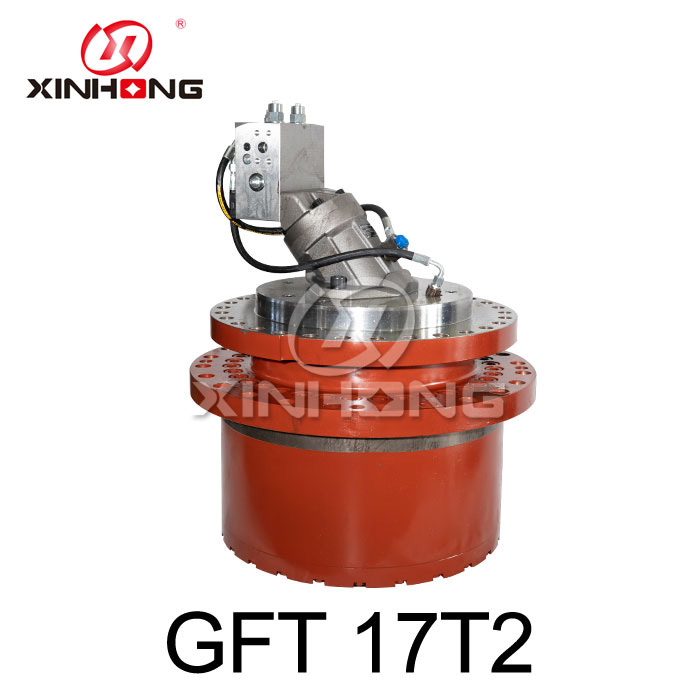
Critical Symptoms of System Degradation
Operators should monitor the Hydraulic Reducer for Autocrane for specific performance changes. Below is a structured breakdown of the most common indicators of wear, categorized by observation method.
| Observation Method | Common Signs of Wear | Potential Causes |
|---|---|---|
| Auditory | Grinding, whining, or knocking noises during operation | Bearing fatigue, gear tooth damage, or cavitation |
| Visual | External oil leaks near seals or housing cracks | Worn shaft seals, gasket failure, or housing stress fractures |
| Performance | Sluggish boom movement or inability to hold rated load | Internal pressure loss, worn pistons, or valve degradation |
| Thermal | Excessive heat radiating from the reducer housing | Insufficient lubrication, overloading, or internal friction |
If you notice metal particles in the hydraulic fluid filter, this often indicates advanced internal wear within the Xinhong gear set, requiring immediate professional assessment.
Frequently Asked Questions
What is the most common cause of failure in a Hydraulic Reducer for Autocrane?
The most prevalent cause of failure is contamination of the hydraulic fluid. Particles of dirt, metal shavings, or water entering the system act as abrasives, accelerating wear on precision-machined gears, bearings, and seals. This leads to increased internal clearance, reduced efficiency, and eventually, catastrophic component failure. Regular fluid analysis and adherence to Xinhong’s recommended filtration standards are the primary defenses against this issue.
How often should the oil be changed in a Hydraulic Reducer for Autocrane?
The interval depends on operating hours and environmental conditions. As a general rule, the oil in a Hydraulic Reducer for Autocrane should be changed after every 1,000 to 2,000 hours of operation or at least annually. In harsh environments with extreme temperatures or high dust levels, Xinhong recommends more frequent changes, potentially every 500 hours. Always consult the specific service manual for your autocrane model, as using the incorrect oil viscosity is another common cause of premature wear.
Can a worn Hydraulic Reducer for Autocrane be repaired, or does it require complete replacement?
This decision hinges on the extent of the damage detected during a professional inspection. Minor issues, such as replacing worn shaft seals or external bearings, are typically repairable. However, if there is significant pitting or fracture of the internal gears, or if the housing itself is warped or cracked, a complete replacement of the Hydraulic Reducer for Autocrane is often more cost-effective and safer than attempting a complex rebuild. Xinhong provides both comprehensive service kits for maintenance and complete replacement units to match any operational need.
Ensuring Longevity Through Proactive Care
The performance of your autocrane is directly tied to the health of its hydraulic drive system. By staying vigilant for the signs of wear listed above and adhering to a strict maintenance schedule, you can maximize the lifespan of your Hydraulic Reducer for Autocrane. Trusting genuine Xinhong parts and service expertise ensures your equipment continues to perform safely under the toughest conditions.
For a detailed inspection checklist or to schedule a professional diagnostic service for your Xinhong equipment, please contact our technical support team today. We are ready to help you maintain peak performance and avoid unexpected operational failures.