

What Are the Common Signs of a Failing Stainless Steel Pressure Reducing Valve
2026-02-26
In any fluid handling system, maintaining consistent downstream pressure is critical for both safety and equipment longevity. When this mechanism begins to fail, it often goes unnoticed until significant damage occurs. Understanding the common signs of a failing Stainless Steel Pressure Reducing Valve can save your operation from costly downtime. At Tianhong, we specialize in durable flow control solutions, and we emphasize the importance of recognizing these warning indicators early to protect your infrastructure.
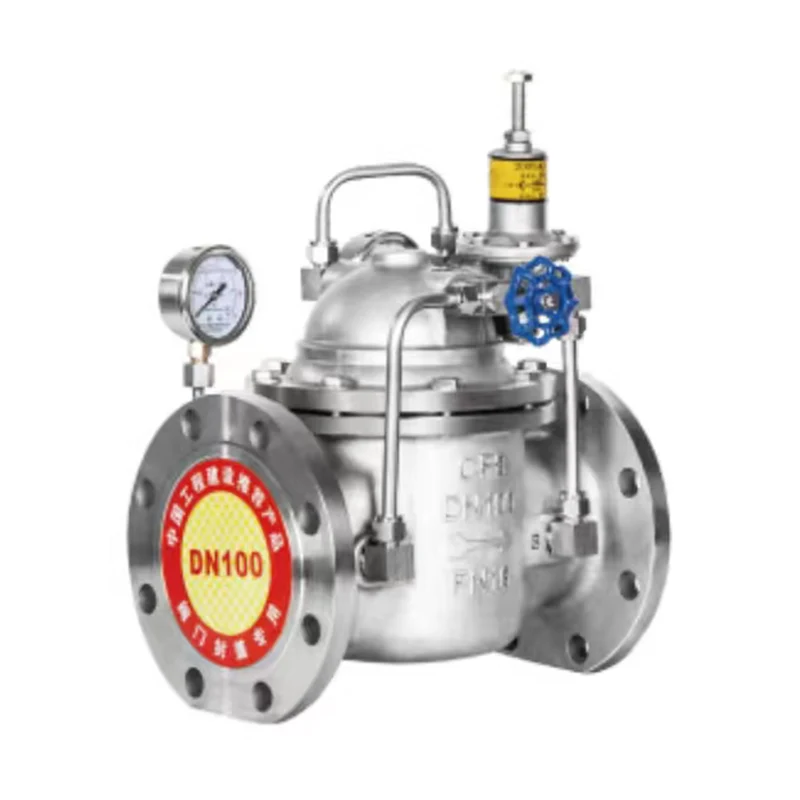
Primary Indicators of Valve Failure
When a Stainless Steel Pressure Reducing Valve starts to degrade, it rarely does so silently. The symptoms usually manifest as changes in pressure readings, unusual noises, or physical leaks. Below is a detailed breakdown of the most common failures and their potential causes.
| Symptom | Observable Effect | Likely Cause |
|---|---|---|
| Pressure Creep | Downstream pressure rises slowly when no water is being used. | Worn seat or debris preventing the valve from closing tightly. |
| Chattering Noise | A rapid clicking or vibrating sound coming from the valve. | Flow rate is too high for the valve size, or the valve is installed incorrectly. |
| Water Hammer | Loud banging in the pipes when the valve closes. | Valve response is too fast, or the diaphragm is stiff/failing. |
| Fluctuating Pressure | Inconsistent water pressure at outlets (e.g., showers, taps). | Contaminated pilot control or a damaged sensing line. |
| Visible Leakage | Water escaping from the valve body or bonnet. | Damaged O-rings, diaphragm rupture, or loose fittings. |
The "Creep" Phenomenon
One of the most technical signs of failure is "pressure creep." If you isolate the system downstream and monitor the pressure gauge, a healthy valve should hold the pressure steady. If you notice the pressure slowly climbing past your set point, the internal seat of the Stainless Steel Pressure Reducing Valve is likely compromised. This allows high-pressure fluid to seep past the closure mechanism. Ignoring this can lead to burst pipes or exploded water heaters.
Physical Condition and Maintenance
While Stainless Steel offers excellent corrosion resistance, it is not indestructible. External conditions or aggressive media can still cause issues. Look for these physical signs:
-
Deformation: A twisted or bulging valve body indicates extreme over-pressurization or freezing.
-
Stem Seal Leaks: If you see water dripping from the adjusting stem, the internal seals have failed.
-
Corrosion Pitting: Though stainless is resistant, exposure to chlorides can cause pitting, which weakens the structure.
Frequently Asked Questions
FAQ 1: Why is my Stainless Steel Pressure Reducing Valve making a high-pitched noise?
A high-pitched noise, often described as a scream or whistle, usually indicates that the valve is experiencing cavitation or that the flow velocity is too high. This happens when the pressure drop across the valve is too extreme for the model. It can also occur if the valve is oversized for the application, causing it to operate near its closed position constantly. Installing a larger valve or adding downstream pressure will usually resolve this.
FAQ 2: Can a failing Stainless Steel Pressure Reducing Valve cause my water bill to increase?
Yes, absolutely. If the valve suffers from "creep" or a failed diaphragm, it may allow full line pressure to bleed into the downstream system intermittently. This can cause small leaks in toilet flappers or faucets that are not rated for high pressure. More directly, if the valve is leaking externally from the bonnet, you are wasting water continuously. Checking your water meter when no fixtures are running can help confirm a leak.
FAQ 3: How often should a Stainless Steel Pressure Reducing Valve be replaced?
While there is no universal expiration date, most manufacturers, including Tianhong, recommend inspecting the valve annually and considering replacement every 5 to 10 years depending on water quality and usage cycles. If you find yourself constantly adjusting the valve to maintain pressure, or if the internal screens are frequently clogged with debris, the valve's calibration is likely failing, and replacement is more cost-effective than repair.
Conclusion
Ignoring the signs of a failing regulator puts your entire piping network at risk. Whether you are dealing with pressure fluctuations or external corrosion, proactive identification is key. For high-quality replacements or expert advice on selecting the right Stainless Steel Pressure Reducing Valve for your system, trust the durability and precision of Tianhong.
Contact us today for a consultation or to request a quote for your industrial or commercial application.