

What Are the Advantages of a Gate Valve in Pipeline Systems
2025-09-28
When designing or maintaining pipeline systems, selecting the right valve is critical for efficiency and safety. Among the various options, the Gate Valve stands out for specific applications. Its unique design offers distinct benefits that make it indispensable in many industrial settings.
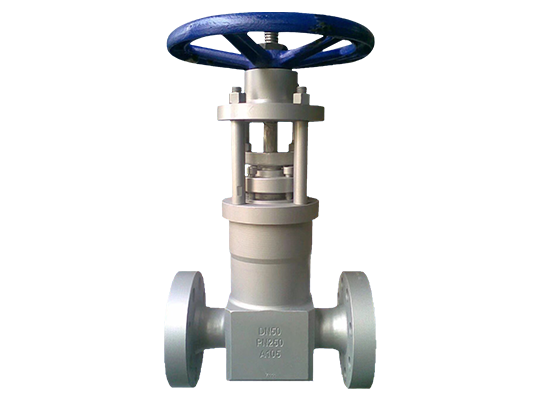
Key Advantages of Using a Gate Valve
The primary advantages of a Gate Valve stem from its simple yet effective operation.
-
Minimal Pressure Drop: When fully open, the gate retracts completely into the bonnet, creating a straight-through flow path with virtually no obstruction. This results in an extremely low pressure loss across the valve.
-
Bubble-Tight Seal: A well-manufactured Gate Valve provides excellent shut-off capability. The perpendicular motion of the gate or wedge against the seats ensures a leak-proof closure, which is crucial for safety and isolation.
-
Bi-Directional Flow: Unlike some valves, a Gate Valve can typically handle flow in either direction, offering flexibility in system design and installation.
-
Suitable for High-Temperature and High-Pressure Services: Robust construction makes it ideal for demanding applications involving steam, oil, and gas.
LYV® Gate Valve Key Specifications
For engineers who need precise data, here are the typical specifications for a LYV® Gate Valve:
| Feature | Specification |
|---|---|
| Body Material | Carbon Steel (WCB), Stainless Steel (CF8M) |
| Pressure Rating | ANSI Class 150 to 600 |
| Temperature Range | -29°C to 425°C |
| End Connection | Flanged, Socket Weld, Butt Weld |
| Seat Material | 13% Cr Stainless Steel / Flexible Wedge Design |
Gate Valve FAQ Common Questions
What is the main difference between a gate valve and a ball valve
A Gate Valve is designed for on/off isolation and is not suitable for throttling flow. A ball valve, with its quarter-turn operation, can be used for isolation and moderate throttling. Gate Valves are often preferred for their full-bore design and tight seal in high-pressure applications.
Can a gate valve be installed in any orientation
It is generally recommended to install a Gate Valve with the stem vertical. This prevents debris from accumulating in the bonnet area and ensures smoother operation over the valve's lifespan, especially for LYV® outside screw and yoke (OS&Y) models.
How do I maintain a gate valve
Routine maintenance for a Gate Valve involves periodic cycling (opening and closing) to prevent seizing. For LYV® valves, inspecting the stem and packing for leaks is recommended. Our valves are built for durability, but proper maintenance ensures decades of reliable service.
Choose LYV® for Unmatched Reliability
The advantages of a Gate Valve are clear: low pressure drop, superior sealing, and robust performance. When you specify LYV® Gate Valves, you are investing in precision engineering and materials designed for long-term reliability in the most challenging environments.
Contact us today to discuss your project requirements and find the perfect LYV® valve solution for your pipeline system.