

What Are Stainless Steel Ball Valves and Why Are They Essential for Industrial Flow Control?
2026-03-16
In modern industrial systems, reliable flow control is crucial for maintaining safety, efficiency, and productivity. Among the many valve types used in pipelines, Stainless Steel Ball Valves have become one of the most trusted solutions due to their durability, corrosion resistance, and excellent sealing performance. From chemical processing plants to oil and gas pipelines, these valves play a vital role in controlling liquids and gases under demanding conditions.
With the growing need for high-performance flow control equipment, manufacturers such as Zhejiang Bolaisi Valve Co., Ltd. are continuously improving the design and quality of stainless steel valves to meet international standards. By combining advanced manufacturing technology with high-grade stainless steel materials, these valves provide reliable performance even in harsh industrial environments.
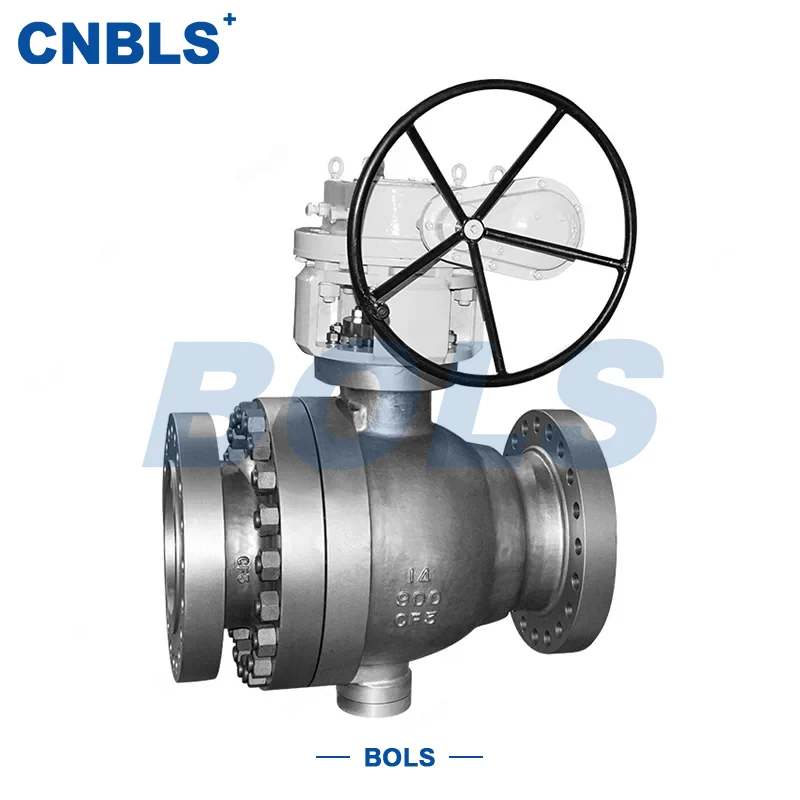
The Role of Stainless Steel Ball Valves in Modern Industry
Stainless Steel Ball Valves are quarter-turn valves that use a hollow, perforated, and pivoting ball to control the flow of fluid through a pipeline. When the valve handle is turned 90 degrees, the ball rotates to either allow or block the flow.
Their simple yet highly effective mechanism makes them a preferred choice in many industries.
Key Functions
-
Flow Control – Regulate or completely stop the movement of liquids or gases.
-
Leak Prevention – Provide tight sealing to minimize leakage.
-
Pressure Handling – Operate efficiently under high pressure.
-
Corrosion Resistance – Stainless steel materials resist rust and chemical corrosion.
Because of these advantages, Stainless Steel Ball Valves are widely used in:
-
Oil and gas industry
-
Chemical processing plants
-
Food and beverage production
-
Pharmaceutical manufacturing
-
Water treatment systems
Why Stainless Steel Is the Preferred Material
The material used in valve construction directly affects its durability and performance. Stainless steel offers several benefits compared to other materials such as brass, cast iron, or plastic.
Advantages of Stainless Steel
-
High corrosion resistance
-
Excellent strength and durability
-
Temperature resistance
-
Hygienic properties for food and medical industries
-
Long service life
Below is a simple comparison table showing the advantages of stainless steel valves.
| Material Type | Corrosion Resistance | Strength | Suitable Industries |
|---|---|---|---|
| Stainless Steel | Excellent | Very High | Chemical, Food, Oil & Gas |
| Brass | Moderate | Medium | Household plumbing |
| Cast Iron | Low | High but brittle | Water systems |
| Plastic | High for certain chemicals | Low | Light-duty pipelines |
As shown above, Stainless Steel Ball Valves provide the best balance of durability and performance for demanding applications.
Key Components of Stainless Steel Ball Valves
Understanding the structure of a ball valve helps explain why it performs so efficiently.
Main Parts
-
Valve Body – The outer casing that holds all components together.
-
Ball – The spherical element that controls fluid flow.
-
Seat – Sealing surfaces that ensure tight closure.
-
Stem – Connects the handle to the ball.
-
Handle or Actuator – Used to operate the valve manually or automatically.
These components work together to provide quick operation, minimal pressure drop, and reliable sealing.
Types of Stainless Steel Ball Valves
Different industrial systems require different valve designs. Manufacturers produce several types of Stainless Steel Ball Valves to meet specific needs.
Common Types
1. Floating Ball Valve
-
The ball is supported by valve seats.
-
Suitable for medium and low pressure systems.
2. Trunnion Mounted Ball Valve
-
The ball is supported by additional mechanical anchors.
-
Ideal for high-pressure pipelines.
3. Three-Way Ball Valve
-
Allows fluid to change direction.
-
Often used in mixing or diverting applications.
4. Full Port Ball Valve
-
The internal diameter matches the pipe size.
-
Minimizes pressure loss.
Industrial Applications of Stainless Steel Ball Valves
Due to their strong mechanical properties, Stainless Steel Ball Valves are widely applied across many industries.
Major Application Fields
Oil and Gas Industry
These valves handle high pressure and corrosive fluids in pipelines and refineries.
Chemical Processing
Chemical plants require valves that can withstand aggressive substances without degradation.
Food and Beverage Production
Stainless steel's hygienic properties make it ideal for sanitary processing lines.
Water Treatment Systems
Ball valves provide reliable shut-off and flow control in filtration and purification systems.
Pharmaceutical Manufacturing
Precision and cleanliness are critical in drug production, making stainless steel valves a preferred option.
Performance Benefits in Industrial Systems
The popularity of Stainless Steel Ball Valves is mainly due to their superior performance characteristics.
Key Benefits
-
Fast operation with a simple 90-degree turn
-
Low maintenance requirements
-
Excellent sealing capability
-
High durability under extreme conditions
-
Compatibility with automated control systems
These features help industries improve operational efficiency and reduce downtime.
Why Choose Zhejiang Bolaisi Valve Co., Ltd.
Selecting a reliable manufacturer is just as important as choosing the right valve type. Zhejiang Bolaisi Valve Co., Ltd. is committed to delivering high-quality industrial valves designed for long-term reliability.
Company Advantages
-
Advanced production technology
-
Strict quality control standards
-
Wide range of stainless steel valve products
-
Custom solutions for industrial applications
-
Competitive pricing with reliable performance
With years of experience in valve manufacturing, the company provides Stainless Steel Ball Valves that meet the demands of global industrial markets.
Maintenance Tips for Stainless Steel Ball Valves
Although these valves are known for durability, proper maintenance can extend their service life.
Maintenance Checklist
-
Inspect valves regularly for leaks or corrosion
-
Clean internal components during scheduled shutdowns
-
Ensure proper lubrication of moving parts
-
Avoid excessive pressure beyond rated limits
-
Replace worn seals or seats promptly
Routine maintenance ensures that Stainless Steel Ball Valves continue operating efficiently and safely.
Conclusion
In modern industrial pipeline systems, Stainless Steel Ball Valves are indispensable components for reliable and efficient flow control. Their corrosion resistance, durability, and excellent sealing performance make them suitable for a wide range of demanding applications, from chemical processing to food production.
As industries continue to demand higher efficiency and safety standards, high-quality valve solutions become increasingly important. Zhejiang Bolaisi Valve Co., Ltd. specializes in manufacturing durable and precision-engineered stainless steel valves that meet international quality standards.
If you are looking for reliable Stainless Steel Ball Valves for your industrial projects, Zhejiang Bolaisi Valve Co., Ltd. is ready to support your needs. Contact us today to learn more about our products, request a quotation, or discuss customized valve solutions for your specific applications.