

Is a Piston Pulse Valve the Upgrade Your Dust Collector Has Been Waiting For?
2025-12-22
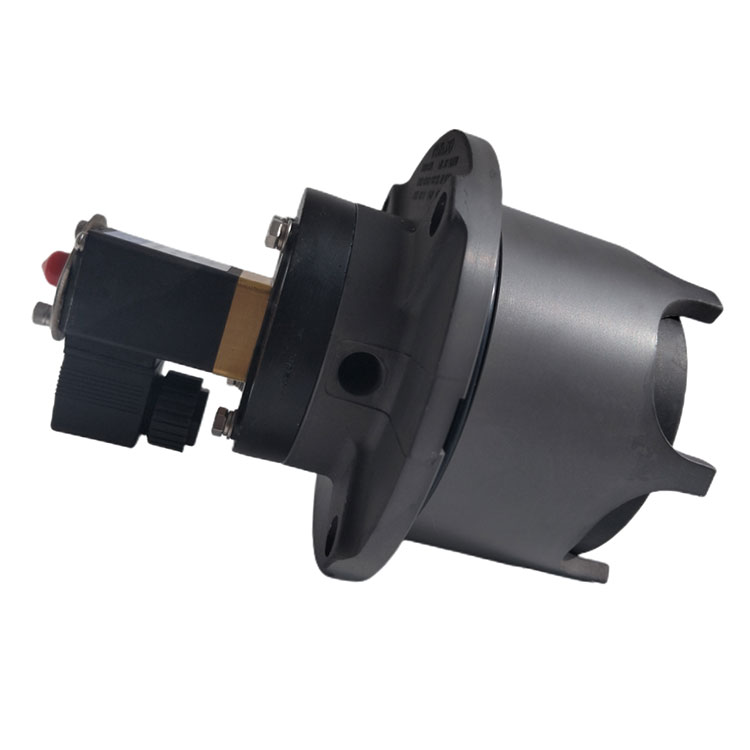
I’ve worked with enough pulse-jet dust collection systems to know one thing: when cleaning gets inconsistent, the whole line pays for it—higher pressure drop, unstable airflow, surprise filter changes, and that “why is the dust creeping back?” feeling. That’s why I started paying closer attention to the valve doing the real work. When I first looked into Star Machine solutions, it wasn’t because I wanted a new brand—it was because I wanted a Piston Pulse Valve that could deliver repeatable, hard-hitting pulses without turning maintenance into a weekly ritual.
Why do pulse-jet systems get “lazy” over time?
If your dust collector used to clean well but now struggles, I usually see the same culprits. The system isn’t always “underpowered”—it’s often losing pulse quality. When the pulse is weak, short, or inconsistent, dust doesn’t release evenly, and your filters clog faster.
- Pulse energy drops because the valve response slows or sealing isn’t as crisp as it used to be.
- Air consumption creeps up when leakage or timing drift forces longer pulses to compensate.
- Uneven cleaning happens when some rows get better pulses than others, creating hot spots of loading.
- Downtime risk rises because small valve issues become filter failures and fan strain.
In my experience, switching to a well-designed Piston Pulse Valve is one of the most direct ways to restore pulse consistency, especially in demanding environments where diaphragm-only designs can feel “sensitive” to air quality and cycling intensity.
What makes a Piston Pulse Valve feel more stable in real production?
I’m not interested in spec-sheet bragging. I care about what you feel on the floor: the dust cake breaks cleanly, the differential pressure behaves, and the pulse doesn’t fade after months of cycling. A good Piston Pulse Valve tends to stand out in three practical ways:
- Repeatable actuation so every pulse “hits” like it should, shift after shift.
- Strong sealing behavior to reduce leakage and keep compressed air use under control.
- Service-friendly design so maintenance doesn’t mean tearing down half the manifold.
When I evaluate a Piston Pulse Valve, I also look at how forgiving it is with real-world compressed air—because in the real world, air is not always as clean and dry as we wish it was.
Which buyer pain points does a Piston Pulse Valve solve fastest?
If you’re a plant manager, maintenance lead, or procurement person, you’re usually not buying a valve—you’re buying fewer problems. Here’s where I see a Piston Pulse Valve pay off quickly:
- Lower “mystery” filter spend by improving cleaning effectiveness and reducing premature replacements.
- More stable pressure drop which helps fans run closer to design conditions.
- Less compressed air waste when sealing is tight and pulses don’t need to be overextended.
- Cleaner emissions performance because re-entrainment and uneven loading are reduced.
- Faster troubleshooting because performance is more predictable cycle-to-cycle.
How do I choose the right Piston Pulse Valve for my collector?
I like to keep selection practical. The best choice is the one that matches your dust load, pulse strategy, and operating habits—not the one with the most adjectives. Here’s a checklist I use before I sign off on a Piston Pulse Valve:
- Connection and manifold fit so installation doesn’t become a custom piping project.
- Working pressure range aligned with your compressor and regulator stability.
- Pulse frequency and duty cycle based on how hard your system actually runs.
- Solenoid and control compatibility for timing accuracy and reliable triggering.
- Maintenance access because service time is real money.
If you tell me your dust type, filter media, and typical differential pressure band, I can usually narrow down what kind of Piston Pulse Valve behavior you’ll benefit from most.
What performance signals tell me my valve upgrade is working?
I don’t wait for a failure to call a valve “good” or “bad.” I look for measurable improvements that show up quickly after the change.
| What I monitor | What I want to see after installing a Piston Pulse Valve | Why it matters |
| Differential pressure trend | Lower peaks and steadier baseline | Indicates more effective dust release and less filter stress |
| Compressed air consumption | Same or lower air use at the same cleanliness level | Suggests tighter sealing and less “over-pulsing” |
| Filter life | Longer intervals between changeouts | Shows cleaning is consistent and not damaging media |
| Cleaning uniformity across rows | More even loading and fewer problem zones | Reduces localized clogging and emissions risk |
| Maintenance frequency | Fewer emergency interventions | Less downtime and smoother operations planning |
When these indicators improve together, that’s when I feel confident the Piston Pulse Valve isn’t just “new”—it’s genuinely doing better work.
What mistakes do people make when installing a Piston Pulse Valve?
I’ve seen good hardware underperform because the install ignored system basics. If you want your Piston Pulse Valve to deliver the full punch, avoid these common traps:
- Dirty or wet compressed air that shortens component life and destabilizes actuation.
- Wrong pulse timing where “longer” becomes a band-aid instead of fixing the true issue.
- Inconsistent pressure regulation that makes pulses unpredictable across shifts.
- Ignoring blow tube alignment which can waste pulse energy and reduce cleaning efficiency.
- Skipping baseline measurements so you can’t prove the upgrade worked.
How do I justify the ROI of a Piston Pulse Valve to purchasing?
If procurement needs numbers, I frame it in three buckets: air, filters, and downtime. Even modest improvements in pulse efficiency can compound over months—especially when your dust collector supports critical production.
- Air savings by reducing leakage and avoiding unnecessary pulse extension.
- Filter savings through more consistent cleaning and less premature replacement.
- Downtime avoidance by reducing emergency maintenance and fan strain from high pressure drop.
The cleanest ROI story is when a Piston Pulse Valve stabilizes differential pressure and lets your system run closer to design conditions. That’s not just efficiency—it’s operational calm.
What should I ask Star Machine before I place an order?
When I’m ready to source, I focus on fit, cycling expectations, and service needs. If you want a smooth purchase, ask for clarity on:
- Valve size and connection type for your manifold and blow tube layout
- Recommended operating pressure and pulse timing guidance
- Spare parts strategy and typical maintenance intervals
- Environmental considerations such as temperature and dust characteristics
Ready to make your dust collector run cleaner and calmer?
If you’re dealing with rising differential pressure, inconsistent cleaning, or compressed air costs that keep creeping up, I’d take a serious look at upgrading to a reliable Piston Pulse Valve. If you want a quick recommendation based on your collector model, pressure range, and dust type, reach out to Star Machine and share your operating details. Contact us today to request pricing, confirm compatibility, and get a practical setup suggestion that fits your site.