

How To Select The Right Stainless Steel Cryogenic Gate Valve For Your System
2026-02-04
Selecting the optimal Stainless Steel Cryogenic Gate Valve is critical for the safety, efficiency, and reliability of systems handling liquefied gases like LNG, nitrogen, or oxygen. A poor choice can lead to leaks, failures, and costly downtime. This guide will help you navigate the selection process, ensuring your cryogenic application performs flawlessly with components like those engineered by JQF.
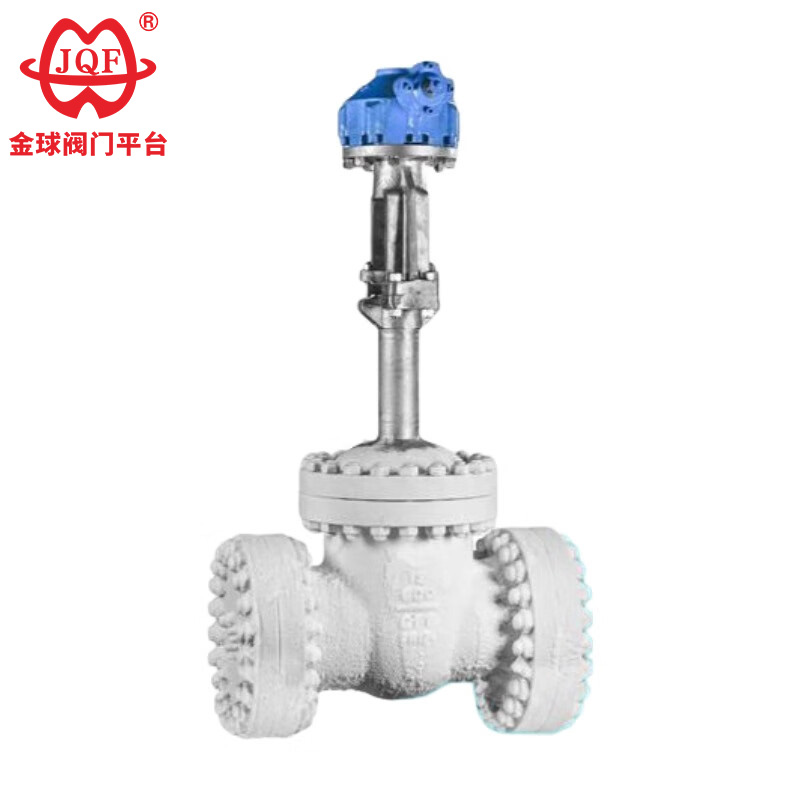
The key selection criteria fall into four main categories:
-
Temperature Rating & Material: Ensure the valve is rated for your specific low-temperature range (typically -50°C to -196°C and below). Austenitic stainless steels like 304L or 316L are standard for their excellent toughness.
-
Pressure Class: Match the valve's pressure class (e.g., ANSI 150, 300, 600) to your system's maximum working pressure (MWP) and accounting for potential pressure surges.
-
Seat & Seal Technology: Cryogenic valves require extended bonnets to keep seals at ambient temperature and utilize specialized soft seats (like PCTFE) or metal-to-metal seats for a bubble-tight shut-off.
-
End Connections & Standards: Verify the valve ends (flanged, butt-weld, socket weld) match your piping. Compliance with standards like BS 6364, ISO 28921, or SHELL SPE 77/200 is a mark of quality.
To simplify material and design choices, consider this reference table:
| Selection Factor | Critical Consideration | JQF Recommendation |
|---|---|---|
| Operating Temp | Minimum temperature of the process fluid | Valves designed per BS 6364 for temperatures down to -196°C |
| Body Material | Resistance to embrittlement and corrosion | Stainless Steel 316L for superior low-temperature integrity |
| Seat Type | Leakage rate requirement (Class VI, V, IV) | Flexible wedge or double-disk design with PCTFE inserts for zero leakage |
| Bonnnet Design | Prevention of packing freeze and stem seal failure | Long, extended bonnet to isolate seals from cryogenic fluid |
Stainless Steel Cryogenic Gate Valve FAQ
Q: Why is an extended bonnet necessary on a Stainless Steel Cryogenic Gate Valve?
A: The extended bonnet moves the stem packing and gland seals away from the ultra-cold fluid, keeping them at near-ambient temperatures. This prevents the packing from freezing, ensures the stem operates smoothly, and eliminates seal failure—a hallmark of JQF's reliable valve design.
Q: Can standard stainless steel gate valves be used for cryogenic service?
A: Absolutely not. Standard valves lack extended bonnets, use unsuitable seat materials that become brittle, and may not be adequately tested for thermal contraction. Always select a valve specifically designed and certified for cryogenic temperatures to ensure system safety.
Q: How important is the leakage class for cryogenic applications?
A: It is paramount. Cryogenic fluids are often hazardous, expensive, or pure. A high leakage class (like ANSI Class VI for soft seats) minimizes product loss and safety risks. JQF valves undergo rigorous testing to guarantee exceptional shut-off performance in these demanding conditions.
Choosing the right Stainless Steel Cryogenic Gate Valve is a technical decision that impacts your entire operation. By focusing on the detailed specifications outlined above and partnering with a dedicated manufacturer like JQF, you invest in long-term performance and safety.
Contact us today to discuss your specific application requirements. Our engineering team at JQF is ready to help you specify the perfect valve solution for your cryogenic system.