

How To Select The Right Butterfly Valve For Your Industry
2025-09-03
Choosing the correct butterfly valve is critical for your operation's efficiency and safety. The right valve ensures optimal flow control, minimizes maintenance, and maximizes longevity. This guide will help you navigate the selection process for your specific industrial application.
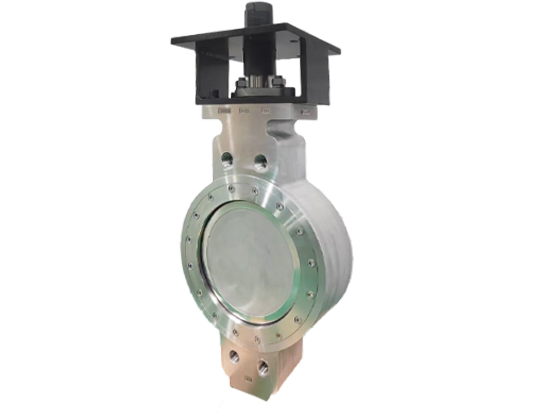
The key factors to consider are:
-
Pressure and Temperature Ratings: Ensure the valve is rated for your system's maximum pressure and temperature.
-
Valve Size and End Connection: Match the valve size (e.g., 2", 12") and connection type (wafer, lug, double flanged) to your existing piping.
-
Disc Material: Common options are ductile iron, stainless steel, or alloys for corrosion resistance.
-
Seat Material: EPDM, NBR, Viton, and PTFE are chosen based on fluid compatibility and temperature.
-
Operating Method: Manual (lever, gear), electric, pneumatic, or hydraulic actuation.
LYV®️ Butterfly Valves are engineered to meet these rigorous demands. Our valves feature a precision-machined disc and a robust stem for reliable performance.
LYV®️ High-Performance Valve Specifications (Sample)
| Feature | Specification |
|---|---|
| Body Material | Ductile Iron, CF8M Stainless Steel |
| Disc Material | 316 Stainless Steel, Duplex |
| Seat Material | EPTFE, Viton®, NBR |
| Pressure Rating | Up to 725 PSI |
| Temperature Range | -40°F to 600°F (-40°C to 315°C) |
| End Connections | Wafer, Lug, Double Flanged |
| Sizes Available | 2" to 48" |
Butterfly Valve FAQ
What is the main advantage of a lug-style butterfly valve?
A lug-style valve has threaded inserts (lugs) on the valve body, allowing it to be installed into a system using bolts without nuts. This permits the disconnection of one side of the piping without affecting the other, making it ideal for end-of-line service or systems that require frequent maintenance.
Can LYV® butterfly valves handle abrasive or corrosive media?
Yes. We offer LYV® valves with specialized coatings and liners, such as epoxy or Halar, and discs made from super alloys like Duplex stainless steel. Selecting the correct combination of body, disc, and seat material is crucial for handling abrasive slurries or corrosive chemicals effectively.
What is the difference between a resilient and a metal-seated butterfly valve?
Resilient-seated valves have a soft seat (e.g., EPDM) that provides tight bubble-tight shut-off and is excellent for lower temperatures. Metal-seated valves use metals like stainless steel for both the disc and seat, designed for extremely high temperatures and abrasive applications where a soft seat would degrade.
Selecting the right valve is a complex decision that impacts your bottom line. Trust LYV® to provide the engineering excellence, durable materials, and reliable performance your industry requires. Our experts are ready to help you specify the perfect valve for your unique application.
Contact us today for a free consultation and a detailed quote.