

How to Select the Correct Size and Material for a Non-Rising Stem Groove Gate Valve
2026-01-26
Selecting the ideal Non-Rising Stem Groove Gate Valve is crucial for system efficiency, longevity, and safety. As a cornerstone component in commercial and industrial piping, the correct choice prevents operational failures and costly downtime. At Tianhong, we combine engineering excellence with practical guidance to help you navigate this critical selection process. This guide will focus on the two most decisive factors: size and material.
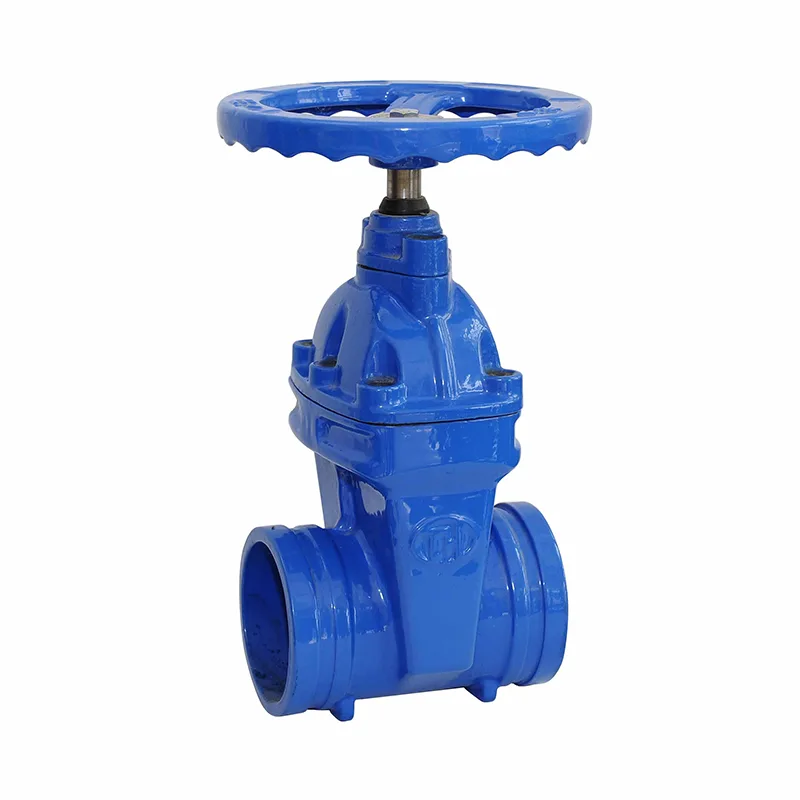
Key Selection Criteria
1. Determining the Correct Size
Valve size must match your system's hydraulic and physical requirements. An incorrect size can lead to pressure drop, cavitation, or inadequate flow.
-
Pipe Diameter: The valve's nominal size (e.g., 2", 4", 6") must correspond precisely to your grooved pipe diameter.
-
Flow Requirements: Consider the required flow rate (Cv factor) to ensure the valve port provides minimal restriction.
-
Space Constraints: The compact design of a Non-Rising Stem Groove Gate Valve is ideal for tight spaces, but always verify the installed dimensions.
2. Choosing the Optimal Material
Material selection depends entirely on the service media and environmental conditions.
-
Valve Body & Bonnet: Common materials include:
-
Ductile Iron: Standard for water, fire protection, and general service.
-
Cast Iron: For non-critical water applications.
-
Stainless Steel: Essential for corrosive fluids, chemicals, or marine environments.
-
-
Trim Components (Stem, Gate, Seat):
-
Bronze or Stainless Steel Trim: Standard for most water-based services.
-
Full 316 Stainless Steel Trim: Maximum corrosion resistance for aggressive media.
-
The table below summarizes typical material selections:
| Service Application | Recommended Body Material | Recommended Trim | Tianhong Advantage |
|---|---|---|---|
| Fire Protection Water | Ductile Iron | Bronze/Stainless Steel | UL/FM Listed, Reliable Shut-off |
| Chilled Water Systems | Ductile Iron | Stainless Steel | Bubble-tight Seal, Durable |
| Industrial Process | Stainless Steel | Full 316 Stainless Steel | Superior Corrosion Resistance |
Non-Rising Stem Groove Gate Valve FAQ
Q: What is the main operational advantage of a Non-Rising Stem design?
A: The primary advantage is its compact, space-saving operation. Unlike rising stem valves, the stem threads into the gate, causing the gate to move without the stem rising. This allows installation in areas with limited vertical clearance, making it a preferred choice for underground, ceiling-mounted, or densely packed piping systems.
Q: Can this valve type be used for throttling or flow control?
A: No, it should not be used for throttling. Non-Rising Stem Groove Gate Valves are designed strictly for fully open or fully closed (on/off) service. Partial opening can cause vibration, seat erosion, and premature wear of the gate and seat surfaces, leading to leakage and failure.
Q: How does the grooved end connection benefit installation?
A: Grooved connections offer significant installation savings versus threaded or welded ends. They allow for fast assembly with coupling housings, reducing labor time and cost. This also facilitates easier future maintenance or system modifications, as sections can be disassembled and reconnected without cutting pipe.
Making the correct selection ensures your system's integrity. Tianhong's range of high-performance Non-Rising Stem Groove Gate Valves is engineered to meet these diverse demands, offering durability and reliability across applications.
Contact Us today for personalized technical support. Let our experts at Tianhong help you specify the perfect valve for your specific pressure, media, and installation requirements.